
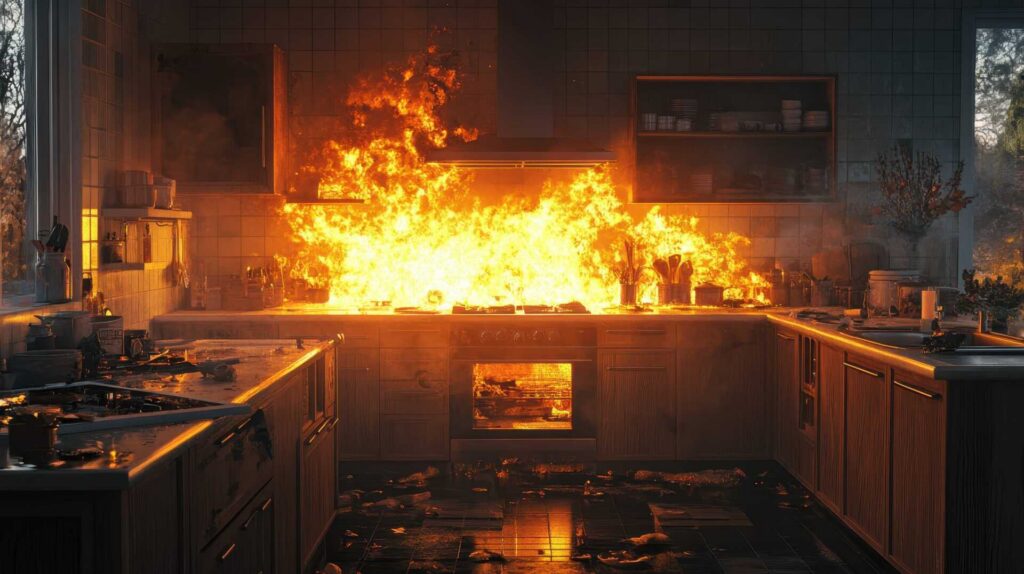
When a fire disrupts your business, knowing the right fire damage repair strategies is vital. You need to act quickly to guarantee safety and minimize damage. Evaluating the situation accurately can help with insurance claims and restoration efforts. Engaging experienced professionals is essential for effective recovery. Understanding how to clean smoke residue and repair structural damage will be your next steps. But what about the emotional impact on your team and customers? Let’s explore how to navigate these challenges effectively.
Key Takeaways
- Ensure immediate safety by evacuating the premises and contacting emergency services to address ongoing threats and hazards.
- Conduct a thorough damage assessment to document structural issues, smoke residue, and inventory affected items for insurance claims.
- Engage experienced fire damage restoration services that offer comprehensive support from assessment to recovery with clear communication.
- Utilize advanced cleaning techniques and specialized products to effectively remove smoke residue from both porous and non-porous surfaces.
- Foster transparent communication with employees and customers throughout the recovery process, emphasizing emotional support and updates on rebuilding efforts.
Fire Damage: Immediate Steps to Take
When a fire disrupts your business, taking immediate action is crucial to minimize damage and guarantee safety.
First, confirm everyone’s safety by evacuating the premises according to your fire safety plan. Once it’s safe, contact emergency services to address any ongoing threats.
Next, assess the situation to determine if there’s any potential for further hazards, like gas leaks or structural instability. Document the damage for insurance purposes, capturing photos and notes.
If possible, secure the area to prevent theft or vandalism. Engage with your team to communicate the next steps, reinforcing a sense of belonging and shared responsibility.
Finally, review your emergency preparedness protocols to identify improvements, confirming your business is better equipped for the future.
Assessing Fire and Smoke Damage
When you assess fire and smoke damage, start with an initial inspection to identify structural issues and safety hazards.
Next, evaluate the extent of smoke residue, as it can permeate materials and surfaces, complicating the cleanup process.
Addressing these factors promptly is vital for effective recovery and minimizing long-term impacts on your business.
Initial Damage Inspection
Although the immediate aftermath of a fire can be overwhelming, conducting a thorough initial damage inspection is essential for effectively evaluating fire and smoke damage. Your initial assessment lays the groundwork for recovery.
Focus on these key areas:
- Identify structural damage to walls and ceilings.
- Assess the condition of equipment and inventory.
- Document all findings for insurance purposes.
This damage evaluation process not only helps you understand the extent of the destruction but also guides your next steps.
Don’t rush; take your time to carefully examine affected areas. Engaging professionals can provide invaluable insights, ensuring you don’t overlook critical aspects.
Smoke Residue Assessment
As you begin the smoke residue assessment, it’s vital to understand that lingering smoke can cause extensive damage beyond what’s immediately visible.
Start by identifying the different residue types, which may include oily soot, dry soot, and smoke odor. Each type requires specific cleaning methods and tools.
Carefully examine surfaces, furniture, and HVAC systems, as smoke can penetrate deeply, leaving behind harmful particles. Document your findings to guide restoration efforts effectively.
Pay close attention to areas that retain smoke odor, as this can indicate hidden residue.
Remember, addressing these issues promptly not only protects your investment but also guarantees a safe, welcoming environment for employees and customers alike.
Your thorough assessment is key for a successful recovery.
Choosing Fire Damage Restoration Services
How can you confirm that your business recovers effectively from fire damage? Choosing the right fire restoration service is essential for a smooth recovery.
Here are key factors to take into account in your service comparison:
- Experience and Expertise: Look for firms that specialize in fire damage and have a proven track record.
- Comprehensive Services: Make sure they provide a full range of services, from assessment to restoration.
- Customer Support: Opt for a company that prioritizes clear communication and empathy throughout the process.
Cleaning Smoke Residue From Affected Areas
After a fire, evaluating the extent of smoke damage is essential to determine the right cleaning approach.
You’ll need effective techniques to tackle residue, ensuring a thorough restoration of your space.
Understanding these methods can help you reclaim your environment and mitigate further issues.
Assessing Smoke Damage Extent
When a fire occurs, evaluating the extent of smoke damage is essential for effective recovery. You’ll need to identify the areas most affected by smoke and its lingering odor, which can greatly impact air quality.
Consider these key factors:
- Visible residue: Check for soot on surfaces.
- Odor presence: Detect any strong smoke odor that might linger.
- Air quality: Assess if the air feels contaminated or stale.
Understanding these elements will help you prioritize cleanup efforts.
Remember, the longer smoke residue sits, the harder it becomes to remove, potentially leading to long-term damage.
Addressing smoke damage promptly not only aids in recovery but also restores a sense of safety and belonging in your space.
Effective Cleaning Techniques
Once you’ve assessed the extent of smoke damage, it’s time to tackle the cleaning process. Start by using effective cleaning methods tailored to the surfaces affected.
For porous materials, such as carpets and upholstery, consider advanced cleaning technologies like ozone treatments or thermal fogging, which can penetrate deeply to eliminate odors. Non-porous surfaces may benefit from specialized cleaners designed to break down smoke residue effectively.
Remember to wear protective gear during this process to guarantee your safety. Don’t rush; thorough cleaning is essential for restoring your space.
Repairing Structural Damage
As you assess the aftermath of a fire, prioritizing the repair of structural damage is essential for guaranteeing safety and restoring your business’s functionality.
Ignoring these repairs can compromise your building’s structural integrity, leading to further complications.
Consider these key steps:
- Evaluate Damage: Inspect load-bearing walls, roofs, and foundations for structural compromise.
- Select Rebuilding Materials: Choose fire-resistant and durable materials to enhance safety and longevity.
- Engage Professionals: Hire licensed contractors who specialize in fire damage restoration to guarantee compliance with safety standards.
Fire Damage Prevention: Key Safety Strategies
To prevent fire damage, it’s crucial to implement proactive safety strategies that protect your business. Start with regular fire safety training for all employees, guaranteeing they know how to identify hazards and operate fire extinguishers.
Create a clear emergency evacuation plan, and practice drills frequently so everyone feels confident during a crisis. Install smoke detectors and fire alarms, checking them monthly to verify functionality.
Maintain clear exit paths and keep fire extinguishers easily accessible. Collaborate with local fire departments for inspections and advice tailored to your specific needs.
Handling Your Insurance Claims After a Fire
After a fire, managing your insurance claims can feel overwhelming, but understanding your policy coverage details is essential.
You’ll need to document damages thoroughly to support your claim and guarantee you receive the compensation you’re entitled to.
Effective communication with adjusters can make a significant difference in the claims process, helping you move forward with your recovery.
Understanding Policy Coverage Details
How well do you understand your insurance policy’s coverage details when disaster strikes? Knowing the specifics can make a significant difference in your recovery process.
Here are a few key points to reflect on:
- Policy Limits: Understand the maximum amount your insurer will pay for damages.
- Coverage Exclusions: Be aware of what isn’t covered, as these gaps can impact your recovery.
- Deductibles: Know how much you’ll need to pay out-of-pocket before coverage kicks in.
Familiarizing yourself with these details can empower you during a stressful time.
It’s essential to ask your insurance agent for clarification to guarantee you’re fully covered and ready to rebuild.
Documenting Damages Thoroughly
While evaluating fire damage can be overwhelming, thorough documentation is essential for a successful insurance claim. Start by creating a detailed damage inventory, listing all affected items, equipment, and structures. This list will serve as a foundation for your claim, ensuring nothing is overlooked.
Next, capture photographic evidence of the damage. Take clear, extensive photos from multiple angles, and be sure to document any charred materials or structural issues. This visual proof will bolster your case and provide a clearer understanding of the extent of your losses.
Communicating With Adjusters Effectively
Effective communication with insurance adjusters is essential for guiding the claims process after a fire.
To navigate this challenging situation, consider these key aspects of adjuster communication:
- Be Prepared: Gather documentation, including photos and repair estimates, to support your claim.
- Stay Organized: Keep records of all conversations, including dates, names, and details discussed.
- Practice Negotiation Strategies: Approach discussions calmly and assertively, focusing on facts to advocate for fair compensation.
Communicating With Employees Post-Incident
After a fire incident, clear and compassionate communication with your employees is vital for restoring trust and morale. Start by holding a meeting to acknowledge the situation, emphasizing that their well-being is your priority.
Share transparent updates about the recovery process and what steps are being taken to guarantee safety. Encourage open dialogue; let them voice concerns and ask questions. This approach fosters a sense of belonging and reassures them that their feelings matter.
Regularly update your team on progress, addressing both successes and challenges. Remember, maintaining high employee morale during this time can greatly impact the recovery phase.
Your commitment to honest communication will help rebuild confidence and strengthen the team as you navigate through this difficult period together.
Rebuilding After Fire Damage: Essential Steps
Rebuilding your business after fire damage requires a structured approach to guarantee safety and efficiency.
Prioritize these essential steps in your rebuilding strategies:
- Assess the Damage: Conduct a thorough evaluation to identify structural and safety issues.
- Implement Fire Safety Measures: Upgrade fire prevention systems to protect against future incidents.
- Engage Professionals: Work with skilled contractors and restoration experts to ensure quality repairs.
Each step is crucial to restore your business while fostering a sense of security for your employees and customers.
As you navigate this challenging process, remember that collaboration and communication are key.
Supporting Customers During Recovery
As you focus on restoring your business, it’s equally important to contemplate how to support your customers during their recovery journey.
Begin by enhancing customer communication; keep them informed about your progress and any changes that may affect them. Regular updates foster a sense of community and belonging.
Next, prioritize emotional support. Acknowledge the challenges your customers face and offer resources, such as counseling services or community events, to help them cope.
Create a space for dialogue encourage feedback and share stories to reinforce connections.
Frequently Asked Questions
How Long Does Fire Damage Restoration Typically Take?
Fire damage restoration typically takes several days to weeks, depending on the extent of damage. You’ll navigate through restoration phases like assessment, cleanup, and repair, all essential for establishing a clear fire timeline for your recovery.
What Costs Are Involved in Fire Damage Repair?
Fire damage repair costs vary based on severity and required restoration techniques. Your insurance coverage can greatly offset expenses, but you should still prepare for potential out-of-pocket costs during the recovery process. Stay informed and proactive.
Can I Stay in My Building During Repairs?
You shouldn’t stay during repairs due to safety protocols and potential insurance implications. Prioritize your well-being and consult with your insurance provider to guarantee you’re making informed decisions while your building undergoes necessary restorations.
What Types of Businesses Are Most Vulnerable to Fire Damage?
Retail establishments, industrial facilities, restaurant kitchens, and office spaces are most vulnerable to fire damage. Each environment faces unique risks, so understanding specific hazards helps you prepare and protect your business effectively.
Are There Government Grants for Fire Damage Recovery?
Yes, you can find government grants for fire recovery resources, but don’t overlook insurance considerations. Balancing these options can help you navigate the challenges, ensuring your business gets the support it truly needs.
Wrap-Up
In the aftermath of fire damage, think of your business as a phoenix rising from the ashes. By taking immediate actions, evaluating damage meticulously, and engaging skilled restoration services, you pave the way for recovery. Remember, clear communication with your team and customers fosters trust and unity during this challenging time. With each step, you’re not just repairing structures you’re rebuilding hope and resilience, ensuring your business emerges stronger than before.