
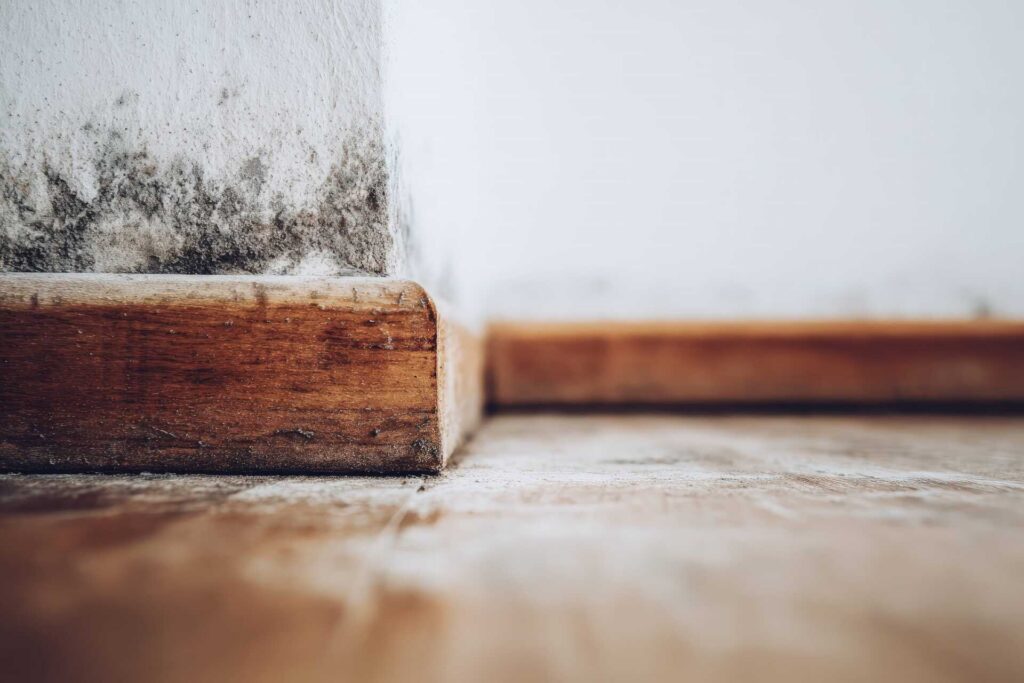
Water damage can feel like a storm cloud looming over your home, threatening to release mold if not handled swiftly. You need to act fast and know what steps to take to safeguard your space. From evaluating the damage to maintaining ideal humidity, each action plays an important role. Let’s explore the essential strategies you can implement to keep your environment healthy and mold-free.
Key Takeaways
- Act quickly to remove standing water and dry affected areas to minimize mold growth risk.
- Ensure proper ventilation by opening windows and using exhaust fans in moisture-prone areas.
- Maintain indoor humidity levels between 30% and 50% with dehumidifiers or air conditioners.
- Use mold-resistant materials, like drywall and paint, during repairs to inhibit future mold development.
- Seek professional help for severe water damage and mold remediation to ensure safe and effective removal.
Understanding Water Damage: What You Need to Know
When you understand water damage, you can take proactive steps to prevent mold growth in your home.
There are three main water types: clean, gray, and black. Each type has different damage effects.
Clean water, like from a burst pipe, poses less risk but can still lead to mold if not addressed quickly.
Gray water, from sources like sinks, contains contaminants and can promote mold growth if left untreated.
Black water, from sewage or flooding, is the most hazardous and requires immediate attention.
Understanding these distinctions helps you respond effectively, reducing mold risks.
Assess the Extent of Water Damage Immediately
When you spot water damage, act fast to identify the affected areas.
Check the structural integrity of your home thoroughly, as hidden issues can lead to bigger problems.
Don’t forget to document the damage for insurance purposes, ensuring you’re covered for repairs.
Identify Affected Areas Promptly
Identifying affected areas promptly is essential in preventing mold growth after water damage. Start by inspecting your home for any damp spots, discoloration, or musty odors.
Check hidden spaces like behind walls, under carpets, and in crawl spaces, as mold can thrive in these less visible areas. The sooner you locate the water-damaged spots, the quicker you can implement preventive measures.
Don’t hesitate to use moisture meters to gauge humidity levels, ensuring you address all affected areas effectively. Remember, mold can develop within 24 to 48 hours, so time is vital.
Check Structural Integrity Thoroughly
Evaluating the structural integrity of your home is essential after water damage, as it reveals the extent of the problem.
Start with a thorough structural assessment to identify any weakened beams, compromised walls, or warped floors. These integrity checks are vital; even minor issues can escalate into major repairs if overlooked.
Check for signs of rot, mold, or rust, especially in hidden areas like basements or crawl spaces.
Don’t hesitate to enlist a professional if you’re unsure—it’s better to be safe than sorry.
Remember, addressing these concerns promptly not only protects your home but also fosters a sense of security for you and your loved ones.
Taking action now can make all the difference in preventing mold growth later.
Document Damage For Insurance
Documenting damage for insurance is essential right after a water incident. Start by taking clear photos of affected areas, capturing any visible damage and items that need replacing.
This insurance documentation will support your claim process and help you receive the compensation you deserve. Make notes of the damage’s extent, including measurements and descriptions of affected materials.
If possible, gather receipts or proof of purchase for damaged items. Contact your insurance company promptly to understand their specific requirements for filing a claim.
Keeping organized records will streamline the process, ensuring you don’t miss any critical details. Remember, thorough documentation not only helps with your claim but also provides peace of mind during a stressful time.
Inspect and Repair Leaks to Avoid Future Damage
One of the most effective ways to prevent mold growth is by regularly inspecting and repairing leaks in your home. Effective leak detection helps you identify problem areas before they escalate into major issues.
Start by checking your plumbing, roofs, and windows for any signs of moisture. Don’t wait for a small drip to turn into a flood; proactive preventive maintenance can save you time, money, and distress down the line.
If you spot a leak, address it immediately—whether that means tightening a pipe or replacing a window seal. By staying vigilant, you create a healthier home environment and foster a sense of belonging, knowing you’re taking care of your space for yourself and your loved ones.
Remove Standing Water as Quickly as Possible
When you spot standing water, act fast to prevent mold growth.
Use pumps efficiently to remove excess water, and employ absorbent materials to soak up what’s left.
Don’t forget to assess any structural damage, as it can lead to further issues if not addressed promptly.
Use Pumps Efficiently
Efficiently using pumps to remove standing water can be a game-changer in mold prevention. You’ll want to prioritize sump pump efficiency by selecting a high-capacity model suited for your space.
Make sure it operates without interruption, as every minute counts in reducing moisture. If you’re facing localized flooding, consider portable pump options for quick deployment.
These pumps are versatile and can easily be moved to various locations, making them ideal for tight spaces. Remember, the faster you remove standing water, the less chance mold has to develop.
Familiarize yourself with the operation and maintenance of your pumps to maximize their effectiveness. Taking these steps not only protects your home but also fosters a sense of community among those who value a safe environment.
Employ Absorbent Materials
To effectively combat mold growth, employing absorbent materials is essential for quickly removing standing water.
By prioritizing moisture control, you can greatly reduce the risk of mold development in your space.
Here are some effective absorbent materials to take into account:
Mops and Towels: Use thick, absorbent towels to soak up water in smaller areas.
Sponges: These are great for tight spots where mops can’t reach.
Absorbent Pads: Place these in areas prone to flooding; they can soak up considerable moisture quickly.
Assess Structural Damage
Evaluating structural damage is essential after any water incident, as delayed action can lead to severe mold issues.
Start by removing standing water as quickly as possible; this is vital to prevent mold growth. Use a wet/dry vacuum or pump to clear out any excess water.
Once that’s done, conduct a thorough structural assessment. Check walls, floors, and ceilings for signs of damage or moisture retention. Pay special attention to areas around windows and doors, where water might collect.
If you notice warped wood or peeling paint, you might need professional help to guarantee everything’s safe and dry.
Taking these steps not only protects your home but also fosters a sense of security for you and your loved ones.
Thoroughly Dry Out Water-Damaged Areas
When dealing with water-damaged areas, it’s crucial to act quickly and thoroughly to prevent mold growth. The longer moisture lingers, the higher the risk of mold developing.
Use effective drying techniques to guarantee your space is safe and healthy. Here are some steps to follow:
Ventilate: Open windows and use fans to increase airflow.
Dehumidify: Utilize dehumidifiers to remove excess moisture from the air.
Soak Up: Use towels or a wet vacuum to absorb standing water.
Prevent Mold by Cleaning and Using Dehumidifiers
After drying out water-damaged areas, maintaining a clean environment is key to preventing mold growth. Start by using effective cleaning techniques, like scrubbing surfaces with a mixture of water and detergent. This not only removes dirt but also eliminates mold spores.
Pay special attention to hidden spots, like behind appliances or under sinks, where moisture can linger.
In addition, place dehumidifiers strategically throughout your space. Aim for areas that tend to stay damp, like basements or bathrooms, to reduce humidity levels.
Keep the dehumidifier running consistently, especially in the aftermath of water damage. Together, these steps create a proactive approach to mold prevention, ensuring your home remains a safe and welcoming environment for you and your loved ones.
Ensure Good Ventilation
Good ventilation is essential for preventing mold growth in your home. Effective air circulation helps keep moisture levels down, making it harder for mold to thrive.
Here are some practical ventilation strategies to implement:
Open windows regularly to allow fresh air in and stale air out.
Use exhaust fans in high-moisture areas like kitchens and bathrooms to remove excess humidity.
Install vents in basements and attics to promote airflow and reduce dampness.
Choose Mold-Resistant Materials for Repairs
When making repairs, choosing mold-resistant materials can greatly reduce your risk of mold growth.
Opt for water-resistant drywall, use mold-resistant paint, and consider composite flooring to keep your spaces safe.
These simple choices can make a big difference in maintaining a healthy environment.
Select Water-Resistant Drywall
Choosing water-resistant drywall is essential for preventing mold in moisture-prone areas like bathrooms and basements. When you’re considering drywall installation, opt for materials specifically designed to resist moisture.
These water-resistant options can greatly reduce the risk of mold growth.
Here are some benefits of selecting water-resistant drywall:
- Durability: It withstands humidity better than standard drywall.
- Easy Maintenance: It’s simpler to clean and maintain in damp environments.
- Cost-Effective: Investing in quality materials can save you money on repairs later.
Use Mold-Resistant Paint
After installing water-resistant drywall, it’s important to contemplate the finishing touches that can further protect your space from mold.
One effective strategy is using mold-resistant paint. This type of paint contains special additives that help inhibit mold growth, making it a smart choice for areas prone to moisture.
When applying this paint, verify the surface is clean and dry for ideal adhesion. Remember, a thorough paint application not only enhances your decor but also adds an extra layer of protection.
By choosing mold-resistant solutions, you’re investing in a healthier home environment. Plus, it gives you peace of mind knowing you’re taking proactive steps to prevent mold issues from arising in the future.
Stay ahead of the problem!
Opt For Composite Flooring
Opting for composite flooring is a smart choice for anyone looking to reduce mold risk in their home.
These materials offer several composite advantages that help keep your space comfortable and safe. Composite flooring isn’t only durable but also resistant to moisture, making it easier to maintain.
Consider these benefits when choosing composite flooring:
Mold Resistance: Helps prevent mold growth in damp areas.
Low Maintenance: Requires minimal upkeep, saving you time and effort.
Aesthetic Variety: Available in various styles to match your home’s decor.
Keep an Eye on Indoor Humidity Levels
How can you effectively manage indoor humidity to prevent mold growth? Start by keeping humidity levels between 30% and 50%.
Use moisture meters to regularly check these levels, ensuring you’re aware of any fluctuations. If humidity rises, consider using dehumidifiers or air conditioners, which are great for humidity control.
Ventilation is also essential; open windows when weather permits and use exhaust fans in bathrooms and kitchens.
Be mindful of activities that generate moisture, like cooking and showering, and take steps to minimize excess steam.
Seek Professional Help for Severe Water Damage
Even with careful humidity management, severe water damage can occur, often leading to mold growth if not addressed promptly.
When faced with significant water damage, it’s vital to seek professional help. A thorough professional assessment can pinpoint hidden issues and prevent further complications. Here’s why you shouldn’t wait:
Expert Mold Remediation: Professionals have the tools and knowledge to effectively remove mold and prevent its return.
Comprehensive Evaluation: They can assess the extent of the damage, guaranteeing no hidden problems linger.
Health Safeguards: Mold can pose health risks; professionals guarantee safe removal, protecting your family.
Don’t underestimate the importance of acting quickly. Getting expert help not only resolves the current issue but also fosters a healthier living environment for everyone.
Frequently Asked Questions
How Long Does It Take for Mold to Grow After Water Damage?
Mold can start growing within 24 to 48 hours after water damage, depending on various factors like humidity, temperature, and material type. Addressing these factors quickly helps you manage the mold growth timeline effectively.
Can I Use Bleach to Kill Mold?
Bleach can kill about 99.9% of mold on non-porous surfaces, but it doesn’t prevent future growth. For effective mold prevention tips, focus on drying areas and reducing humidity instead of relying solely on bleach effectiveness.
What Are Common Signs of Hidden Mold?
Common signs of hidden mold include musty odors, discoloration on walls, and unexplained health issues like allergies or respiratory problems. Regular mold detection and checking damp areas can help you identify and address hidden mold early.
Is Mold Removal Covered by Homeowners Insurance?
Yes, mold removal’s often covered by homeowners insurance, but it depends on your policy’s coverage limits. Check your plan to see if mold damage is included, as exclusions can vary considerably between providers.
What Health Risks Are Associated With Mold Exposure?
An ounce of prevention’s worth a pound of cure. Mold exposure can trigger mold symptoms like coughing, sneezing, and respiratory issues. You won’t want to ignore these risks; they can affect your well-being considerably.
Review
By taking swift action and following these preventive measures, you can greatly reduce the risk of mold after water damage. Remember, regular checks and maintenance are key after all, who wants to deal with mold issues down the line? Keep your home dry and well-ventilated, and don’t hesitate to seek professional help if things get out of hand. Your health and comfort depend on it! Stay proactive to guarantee a safe living environment.