
After flooding, prioritizing mold prevention isn’t just a precaution—it’s vital for your property and health. Mold can start growing within 24 to 48 hours in damp conditions, leading to significant structural damage and potential health risks. Even minor moisture issues can escalate quickly, making immediate action imperative. Understanding the risks and implementing effective strategies can save you from costly remediation later. What steps should you take to guarantee your home stays mold-free?
Key Takeaways
- Mold can quickly develop in damp environments, posing serious health risks like respiratory issues and allergies.
- Flooding creates ideal conditions for mold growth, making prompt prevention essential to avoid extensive damage.
- Addressing moisture within 24-48 hours can significantly reduce the likelihood of mold infestation.
- Long-term strategies, such as controlling humidity and ensuring proper ventilation, help maintain a mold-free environment.
- Professional remediation may be necessary for larger infestations, preventing costly damage and health complications.
The Risks of Mold Growth After Flooding
When floodwaters recede, the threat of mold growth begins almost immediately, making it essential to act quickly.
Mold thrives in damp environments, and after flood damage, your home can become a breeding ground. Even small amounts of moisture can lead to significant problems.
Without proper moisture control, you risk not only structural damage but also health issues for your family. Mold spores can circulate in the air, triggering allergies and respiratory problems.
Additionally, once mold takes hold, it can be costly and time-consuming to remove.
Immediate Steps to Prevent Mold Growth
To effectively prevent mold growth after flooding, you must act swiftly and decisively.
Start by addressing any flood damage promptly. Remove standing water and wet materials within 24-48 hours to minimize moisture levels. Use fans and dehumidifiers to aid in moisture control, ensuring your space dries out efficiently.
Inspect your home for damp areas, especially in hidden spots like behind walls or under carpets. If possible, remove and replace water-damaged materials, such as drywall or insulation, which can harbor mold.
Additionally, maintain good ventilation by opening windows and using exhaust fans.
Long-Term Strategies for Mold Prevention
While immediate actions are essential, implementing long-term strategies is important for ongoing mold prevention after flooding.
Focus on humidity control by using dehumidifiers and maintaining indoor humidity levels below 60%. Regularly check your home’s humidity, especially in damp areas like basements and bathrooms.
Ventilation improvement is equally important; make sure your home has adequate airflow to reduce moisture buildup. Consider installing exhaust fans in kitchens and bathrooms, and keep vents clear.
Regularly inspect and maintain your HVAC system to promote proper air circulation.
These proactive steps not only safeguard your home from mold but also foster a healthier living environment, creating a sense of belonging and comfort for you and your family.
Key Signs of Mold Infestation
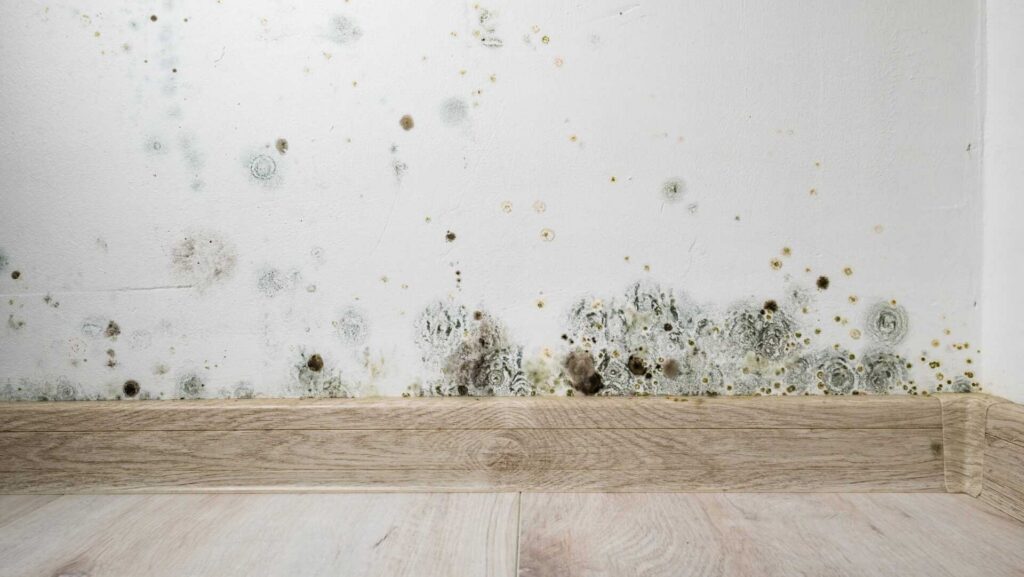
How can you identify a mold infestation before it spirals out of control? Start by looking for visible mold growth, which can appear in various colors, indicating different mold types.
Pay attention to musty odors these often signal hidden mold, even if you can’t see it. Check for water stains or dampness on walls and ceilings, as these conditions promote mold growth.
Additionally, be aware of health effects; if you or your family members experience respiratory issues, allergies, or skin irritations, mold might be the culprit.
Regularly inspecting your home for these signs can help you catch problems early, fostering a safer, healthier environment for everyone. Don’t underestimate the importance of vigilance in mold prevention.
When Should You Call a Pro for Mold Help?
Knowing when to call a professional for mold help can save you time, money, and health concerns. If you notice persistent dampness, a musty odor, or visible mold growth, it’s essential to act quickly.
A thorough mold inspection by a certified expert can identify hidden issues that you might overlook. If the infestation covers over ten square feet, professional remediation is advisable, as DIY methods may not effectively eliminate the problem.
Additionally, if you or anyone in your home has respiratory issues or allergies, seeking professional help guarantees a safer environment.
Don’t underestimate the importance of expertise; addressing mold promptly can prevent further damage and health risks for you and your loved ones.
Frequently Asked Questions
Can Mold Grow in Dry Areas After Flooding?
Yes, mold can thrive in dry areas after flooding if moisture control isn’t maintained. Even residual humidity from the flood aftermath can create conditions conducive to mold growth, so vigilance is essential for prevention.
How Does Mold Affect Indoor Air Quality?
Mold negatively impacts indoor air quality by releasing mold spores, which can trigger allergies and respiratory issues. High indoor humidity exacerbates this problem, creating an environment where mold thrives and affects your health and comfort.
Is Mold Removal Covered by Homeowners Insurance?
Surprisingly, mold removal isn’t always covered by homeowners insurance. You’ll need to check your policy’s coverage limits. Many exclude mold damage, so understanding your mold insurance options is essential for protection against unexpected costs.
What Types of Mold Are Most Common After Flooding?
After flooding, you’ll often encounter black mold and toxic mold due to excess moisture. Mildew growth thrives in high indoor humidity, while mold spores proliferate from water damage, creating health risks if not addressed promptly.
Can I Prevent Mold With Home Remedies?
Yes, you can prevent mold with home remedies. Try natural solutions like vinegar and baking soda, and follow household tips such as improving ventilation and keeping surfaces dry. These strategies foster a healthier living environment for everyone.
Final Thoughts
Ignoring mold prevention after flooding can lead to dire consequences. As moisture lingers, mold can silently take hold, threatening both your home and health. You might think you’ve addressed the issue until that musty smell creeps back in. Don’t let your guard down. By staying vigilant and implementing effective strategies, you can protect your property and loved ones. The question is: how much longer can you afford to wait before taking action? The clock is ticking.