
Imagine waking up to find your basement flooded after a heavy rainstorm. It’s essential to act fast to minimize damage and protect your health. Knowing the best emergency water removal methods can make all the difference. From selecting the right gear to understanding when to call in professionals, each step is important. Let’s explore effective strategies that can help you tackle water emergencies efficiently.
Key Takeaways
- Quick emergency water removal minimizes damage and reduces costly repairs after flooding incidents.
- Use wet/dry vacuums for smaller areas and pumps for larger volumes of water.
- Employ fans and dehumidifiers to control moisture and expedite the drying process.
- Call professionals when structural damage, mold growth, or persistent odors are present.
- Regularly inspect for leaks and prepare flood kits to enhance future preparedness.
Understanding Why Emergency Water Removal Matters
Emergency water removal is essential for protecting your property and health.
When water damage occurs, quick action can prevent further deterioration and costly repairs. If you’re prepared, you’ll reduce the impact of flooding and safeguard your belongings.
Knowing how to handle emergency situations helps your property and provides peace of mind.
Evaluating Flood Damage: Key Steps to Take
After experiencing a flood, evaluating the damage promptly is essential for effective recovery. Start by conducting a thorough damage assessment to understand the extent of the impact. Here are three key steps to guide you:
Document Everything: Take photos of damaged areas and belongings. This documentation will be vital for your flood insurance claim.
Identify Safety Hazards: Look for structural damage, exposed wires, or mold growth. Prioritize safety before entering affected areas.
Estimate Repair Costs: Get quotes from contractors to gauge potential repair expenses. This helps you plan financially and supports your insurance claim.
Taking these steps aids your recovery and connects you with resources and support during this challenging time.
How to Pick the Best Gear for Water Removal
How can you ensure you have the right gear for effective water removal? Start by evaluating your specific needs for water extraction. Consider factors like the volume of water and the space you’re tackling.
For smaller areas, a wet/dry vacuum might suffice, while larger spaces may require pumps or industrial-grade extractors.
When it comes to gear selection, prioritize durability and efficiency. Look for equipment with strong suction power and reliable filters.
Don’t forget the importance of safety gear—gloves, boots, and masks can protect you from contaminants.
Finally, read reviews and consult with others who’ve faced similar situations to make informed choices. With the right gear in hand, you’ll feel confident tackling any water removal challenge.
Step-by-Step DIY Techniques for Emergency Water Removal
When faced with emergency water removal, having the right tools is vital for effective action.
You’ll want to know safe techniques to protect yourself while tackling the situation.
Let’s break down the essential gear and methods you’ll need for quick and efficient water removal.
Essential Tools Needed
In any emergency water removal situation, having the right tools can make all the difference.
To effectively tackle water extraction and ensure your space dries out quickly, you’ll need a few essential items:
Submersible Pump: This tool will help you remove large volumes of water efficiently.
Wet/Dry Vacuum: Perfect for smaller areas, it picks up residual water and debris.
Drying Equipment: Fans and dehumidifiers are vital for removing moisture from the air and surfaces.
With these tools in hand, you’ll be better equipped to handle the aftermath of a flood.
Safe Water Removal Techniques
With the right tools at your disposal, you can effectively tackle water removal. Start by evaluating flooding risks and creating emergency plans to prioritize safety.
Use DIY solutions like wet/dry vacuums to extract standing water, while ensuring proper water safety measures are in place. After removal, focus on moisture control—dehumidifiers can help reduce humidity and prevent mold growth.
Check drainage systems to verify they’re clear and functional, as this aids in future water management. Remember, preserving your property is key; drying out materials quickly can prevent costly damage.
When to Call Professional Water Removal Services?
If you notice severe property damage, it’s time to contemplate calling in the pros.
Health risks from mold and contaminants can escalate quickly, especially in time-sensitive situations.
Don’t wait too long—getting help early can save you money and stress.
Severe Property Damage Indicators
When you notice significant water damage in your property, it’s crucial to act quickly. Recognizing severe flood indicators can save you from long-term issues.
Here are three key signs that you need a professional water removal service:
Visible Structural Damage: Cracks in walls or ceilings, or sagging floors, indicate serious problems that require immediate attention.
Persistent Mold Growth: If you spot mold, even in small amounts, it’s a clear sign of prolonged moisture.
Unpleasant Odors: Musty smells often signal hidden water damage, necessitating a thorough property assessment.
Don’t wait until the damage worsens. Addressing these issues promptly can help restore your property and peace of mind.
Health Risks Assessment
Severe water damage not only affects your property’s structure but also poses significant health risks. You need to be aware of the potential health impacts, including contamination risks from mold and bacteria.
These issues can lead to long-term effects, such as respiratory concerns and weakened structural integrity. Furthermore, the psychological effects of dealing with water damage can’t be overlooked; stress and anxiety often arise in these situations.
To safeguard your well-being and that of your community, it’s essential to implement effective prevention strategies. If you notice persistent moisture or any signs of contamination, don’t hesitate to call professional water removal services.
They can help mitigate risks and ensure a healthier environment for you and your neighbors.
Time-Sensitive Water Issues
Recognizing time-sensitive water issues is vital for preventing extensive damage to your property and health. When faced with flooding, knowing when to call professionals can facilitate quick recovery and effective water management.
Consider the following:
Immediate Water Intrusion: If water is actively entering your home, prompt flood response is essential to prevent structural damage.
Mold Growth: If you notice dampness or mold within 24-48 hours, act quickly. Mold poses serious health risks and requires immediate attention.
Severe Damage: If your property sustains significant water damage, assess your resources and community support. Professional services can aid in disaster preparedness and effective resource allocation.
Timely action ensures safety and minimizes long-term consequences.
How Pumps Help With Water Removal
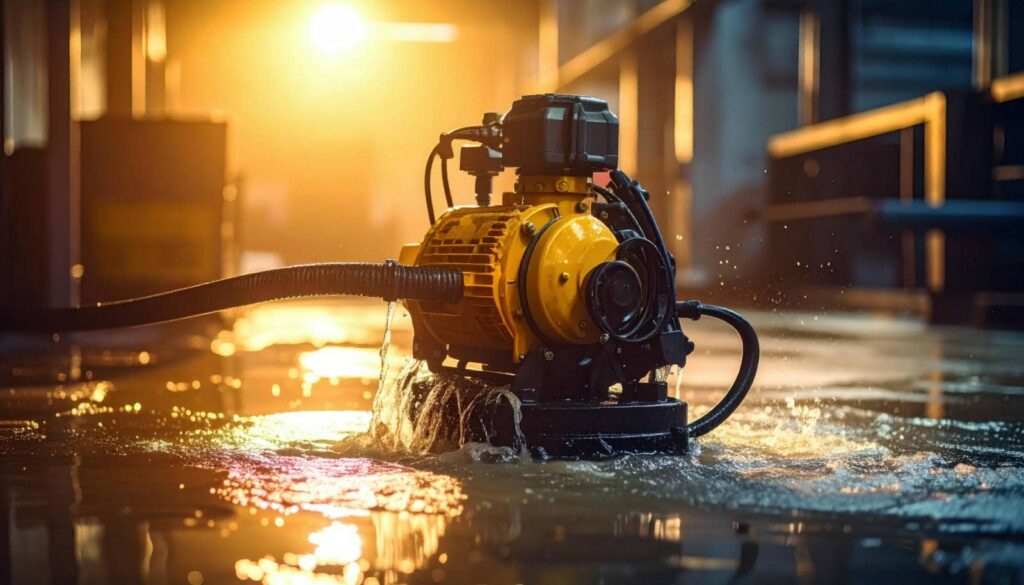
Pumps play an essential role in emergency water removal, quickly eliminating excess water from flooded areas. When faced with flooding, submersible pumps are your go-to solution. These powerful tools efficiently handle water extraction, getting rid of standing water in basements and yards. You’ll find them easy to operate, making them ideal for anyone needing fast results.
Not only do they reduce water levels, but they also help prevent further damage to your property. By setting up a submersible pump, you can protect your home and belongings from mold and structural issues.
In a crisis, every minute counts, and using pumps gives you the advantage you need to act swiftly and effectively.
The Benefits of Wet/Dry Vacuums in Flood Cleanup
When it comes to flood cleanup, wet/dry vacuums are a game-changer. They offer efficient water extraction, making the cleanup process much quicker.
Plus, their versatility and portability mean you can tackle various cleaning tasks with ease and store them without hassle.
Efficient Water Extraction Process
In the aftermath of a flood, quick action is essential, and wet/dry vacuums are your best allies for efficient water extraction.
These powerful tools streamline your emergency response planning and can greatly reduce damage to your home. Here are three key benefits:
High Suction Power: Wet/dry vacuums can handle large volumes of water, making them ideal for immediate water extraction techniques.
Versatility: They can tackle both liquid and solid debris, ensuring your space is thoroughly cleaned.
User-Friendly: With straightforward setup and operation, you’ll feel empowered to manage the cleanup process.
Using wet/dry vacuums speeds up recovery and helps you reclaim your space effectively, fostering a sense of community resilience.
Versatile Cleaning Applications
Wet/dry vacuums offer more than just quick water extraction; they excel in a variety of cleaning applications during flood recovery.
These powerful tools utilize advanced water extraction technologies, making them ideal for tackling both wet and dry messes. You’ll appreciate their eco-friendly solutions, which minimize environmental impact while maximizing efficiency.
With versatile cleaning techniques, they can handle multi-surface applications, from carpets to hard floors. Incorporating these vacuums into your emergency response strategies ensures rapid drying methods and effective moisture removal.
Plus, their use of innovative drying equipment aids in extensive restoration practices, helping you restore your space faster. By choosing wet/dry vacuums, you’re taking a proactive step toward a thorough and efficient cleanup.
Portable and Easy Storage
One of the standout features of wet/dry vacuums is their portability, making them a top choice for flood cleanup. You’ll appreciate how easy they are to maneuver and store, especially in tight spaces.
Here are a few benefits of using these vacuums:
Portable Filtration: They can tackle both water and debris, ensuring a thorough cleanup.
Compact Storage: Their design allows for easy storage, freeing up space in your garage or utility area.
Quick Setup: You can set them up in minutes, so you’re ready to start cleaning right away.
With their efficiency and ease of use, wet/dry vacuums are essential for anyone dealing with flood situations. You’ll feel empowered knowing you have the right tools at your fingertips.
Essential Steps for Dehumidifying Affected Areas
To effectively dehumidify affected areas after water removal, you’ll need to act quickly to prevent mold and further damage.
Start by opening windows and doors to improve airflow. Use fans to circulate air and expedite drying. Consider using dehumidification techniques, like portable dehumidifiers, to extract excess moisture. Place these units strategically in damp areas for ideal moisture control.
Monitor humidity levels with a hygrometer, aiming for 30-60%. Remove wet carpets, furniture, and belongings to allow surfaces to dry completely.
Keep the environment warm, as higher temperatures can speed up evaporation. Finally, periodically check for hidden moisture in walls and ceilings to verify thorough dehumidification.
Taking these steps will help create a safer, healthier space for you and your family.
Mold Prevention Tips After Water Removal
Even after removing water, mold can still thrive if you don’t take the right precautions. To effectively prevent mold growth, focus on moisture control and follow these tips:
Ventilate: Open windows and use fans to promote air circulation, helping reduce humidity levels.
Dehumidify: Invest in a dehumidifier to maintain indoor humidity below 60%, which discourages mold development.
Inspect Regularly: Check for leaks and damp areas frequently, addressing any issues immediately to prevent moisture buildup.
Future Flood Prep: Strategies and Tools
As storms become more unpredictable, preparing for potential floods is essential. Start by assembling flood preparedness kits that include essential supplies like water, non-perishable food, and first-aid items.
Engage with your neighbors to develop community response plans; working together can enhance safety and recovery. Invest in emergency drainage systems for your property to minimize water damage during heavy rains.
Additionally, familiarize yourself with water diversion techniques, such as creating barriers or using sandbags, to redirect water away from your home.
By taking these proactive steps, you protect your space and foster a sense of belonging within your community.
Frequently Asked Questions
What Types of Insurance Cover Flood Damage and Water Removal Costs?
Flood insurance typically covers flood damage and water removal costs. Check your policy’s coverage details, as some may include additional benefits for cleanup and repairs. Always ensure you have adequate protection against potential water-related disasters.
How Can I Prevent Future Flooding in My Home?
You can prevent future flooding by improving drainage systems around your home and ensuring landscape grading directs water away from your foundation. Regular maintenance and adjusting the terrain can make a significant difference in keeping your home dry.
What Are the Health Risks Associated With Floodwater Exposure?
Floodwater exposure can lead to serious health effects, right? You’re at risk from contaminants like bacteria and chemicals, which can cause infections and gastrointestinal issues. Always prioritize safety and avoid contact with floodwater whenever possible.
Can I Use Regular Household Tools for Emergency Water Removal?
Yes, you can use regular household tools like wet vacuums and sump pumps for emergency water removal. They effectively help you tackle water issues, making your space safer and more comfortable for you and your loved ones.
How Long Does It Typically Take to Dry Out a Flooded Area?
Think of drying a flooded area like racing against time. It typically takes 24 to 48 hours with effective drying techniques and moisture assessment. Staying proactive helps you reclaim your space faster and safer.
Wrap-Up
In the world of flood recovery, “an ounce of prevention is worth a pound of cure.” By understanding effective water removal methods and preparing in advance, you can greatly reduce damage and safeguard your home. Remember to act quickly, choose the right gear, and don’t hesitate to call in professionals if needed. With the right approach, you can restore your space and prevent future issues, ensuring your peace of mind during emergencies.