
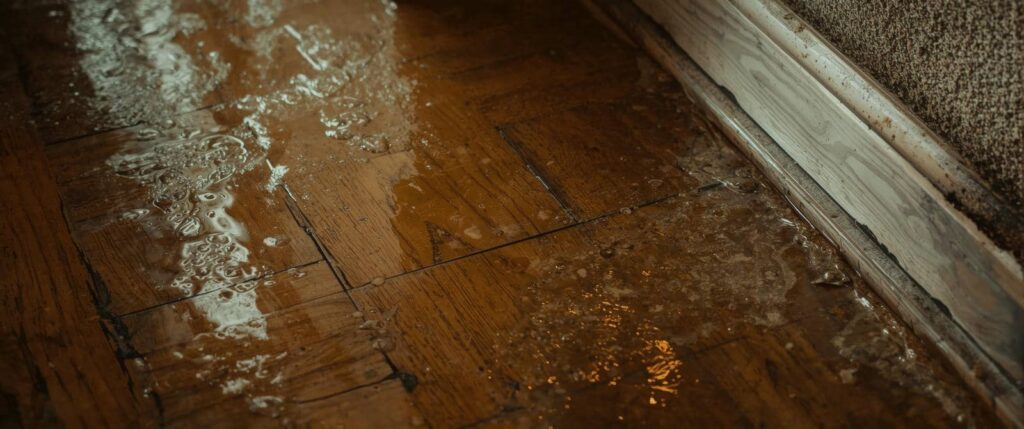
Water damage can strike unexpectedly, impacting your property and peace of mind. Understanding the types and causes of water damage is essential for effective restoration. If you act quickly, you can minimize long-term effects. The restoration process involves specific steps, utilizing advanced equipment to ensure thorough recovery. However, not all methods are effective, and some common mistakes can hinder your progress. Let’s explore how to navigate these challenges efficiently.
Key Takeaways
Water damage restoration involves assessing the extent of damage, extracting water, and drying affected areas to prevent mold growth.
Timely action is critical; addressing water damage within 24-48 hours minimizes health risks and repair costs.
Essential equipment like moisture meters, dehumidifiers, and air movers are used to ensure effective restoration and drying processes.
Regular inspections and moisture detection methods help identify hidden water damage, allowing for proactive restoration strategies.
Safety precautions, including proper gear and ventilation, are vital to protect workers and occupants during the restoration process.
Understanding Water Damage: Types and Causes
Water damage can stem from various sources, and understanding its types and causes is essential for effective restoration. Flood sources include heavy rainfall, burst pipes, and sewer backups, each requiring specific attention.
To tackle these issues, you’ll need to prioritize moisture detection methods, identifying hidden water pockets that can lead to mold growth and structural damage. Regular inspections can help you stay ahead of potential problems, ensuring your space remains safe and sound.
Why Timely Action Is Crucial in Water Damage Cases?
Recognizing the different types of water damage is just the first step; acting quickly can make all the difference in the outcome. When you face a water damage incident, swift action helps mitigate further destruction and health risks. Delays can lead to mold growth, structural damage, and increased repair costs.
Implementing preventative measures, like proper drainage and regular inspections, is essential for emergency preparedness. However, if water damage occurs, reaching out to professionals within the first 24-48 hours is critical. Their expertise ensures effective extraction and drying, minimizing long-term effects.
How Water Damage Restoration Works Step-by-Step
When you face water damage, the restoration process begins with an initial assessment to determine the extent of the issue.
Next, water extraction techniques are employed to remove standing water efficiently.
Finally, drying and dehumidification steps ensure that all affected areas are moisture-free, preventing future damage.
Initial Assessment Process
To effectively address water damage, a thorough initial assessment is vital.
You’ll start with an initial evaluation, where you identify the source of the water intrusion and assess the affected areas. This damage assessment involves checking for visible signs of moisture, mold, and structural integrity issues.
Using advanced tools, you can measure humidity levels and locate hidden moisture pockets. Documenting these findings is fundamental for developing a restoration plan tailored to your specific situation.
Communicating openly with your restoration team ensures everyone is aligned on the next steps.
Water Extraction Techniques
Effective water extraction is essential for minimizing damage and preventing mold growth. You’ll want to employ specific techniques to ensure thorough flood mitigation.
Here are three key methods:
Submersible Pumps: These powerful tools remove standing water quickly, especially in significant flood situations.
Wet/Dry Vacuums: Ideal for smaller areas, these vacuums efficiently extract water from carpets and other surfaces.
Moisture Mapping: This technique helps identify areas with residual moisture, ensuring no hidden pockets remain that could lead to mold issues.
Drying and Dehumidification Steps
Three vital steps ensure efficient drying and dehumidification during water damage restoration.
First, you’ll start with moisture mapping, identifying all affected areas to confirm no hidden moisture lingers. This process allows you to prioritize your efforts effectively.
Next, you’ll enhance air flow by using high-velocity fans and dehumidifiers. Proper air circulation is essential for evaporating moisture from surfaces and reducing humidity levels.
Finally, monitor the drying process regularly, adjusting equipment as necessary to maintain ideal conditions.
By following these steps, you expedite the drying process while minimizing the risk of mold growth and further damage.
Engaging in this meticulous approach fosters a sense of community, ensuring everyone involved feels secure and informed.
Key Equipment Needed for Water Damage Restoration
When addressing water damage, having the right equipment is essential for efficient restoration. Proper tools expedite the process while also ensuring thorough drying and preventing mold growth.
Here are three key items you’ll need:
Moisture Meters: These tools help you identify hidden moisture levels in walls and floors, ensuring you target affected areas effectively.
Dehumidifiers: Essential for controlling humidity, these units help pull moisture from the air, speeding up the drying process.
Air Movers: High-velocity fans circulate air, promoting evaporation and drying out surfaces quickly.
For peak results, remember to perform regular equipment calibration to maintain accuracy and efficiency in your restoration efforts.
Common Mistakes to Avoid During Restoration
When tackling water damage restoration, it’s essential to prioritize safety precautions to protect yourself and others.
Delaying professional assistance can exacerbate the situation, leading to further damage and increased costs.
Avoiding these common mistakes will streamline the restoration process and ensure a safer environment.
Overlooking Safety Precautions
Although water damage restoration can seem straightforward, overlooking safety precautions can lead to serious risks. Securing your safety and that of others is paramount.
Here are three critical safety measures to take into account:
Conduct a Risk Assessment: Before starting, evaluate the area for hazards like electrical issues or structural instability.
Use Proper Safety Equipment: Always wear gloves, masks, and protective eyewear to shield against contaminants and mold.
Ventilate the Area: Ensure adequate airflow to reduce mold growth and improve air quality while working.
Delaying Professional Assistance
Neglecting to seek professional assistance after water damage can exacerbate the situation, leading to costly repairs and health hazards.
Delaying this essential step often results in mold growth, structural damage, and the need for extensive renovations—all of which carry significant cost implications.
You might think you can handle minor issues on your own, but without the right expertise, you’re risking further complications.
Implementing preventative measures early on is imperative.
Professionals not only assess the damage accurately but also provide effective solutions tailored to your specific needs.
Choosing the Right Water Damage Restoration Service
How can you ensure that you choose the right water damage restoration service? Selecting a reliable service is essential for effective recovery. Here are three key considerations:
- Cost Considerations: Compare estimates from multiple providers, ensuring you understand what’s included in the pricing.
Transparency is important.
- Customer Testimonials: Look for reviews and ratings from previous clients.
Positive feedback can indicate a company’s reliability and quality of service.
- Certifications and Experience: Verify that the service has appropriate certifications and a proven track record.
Experienced professionals can handle complex situations effectively.
Frequently Asked Questions
Will My Insurance Cover Water Damage Restoration Costs?
Your insurance policy might cover water damage restoration costs, but it depends on your coverage limits and the specific cause of damage. Review your policy details or consult your agent for clarification and guidance.
How Long Does the Restoration Process Typically Take?
The restoration process typically takes 3 to 7 days, depending on the severity of the damage. Advanced drying techniques expedite the timeline, ensuring your space returns to normal as quickly as possible—your peace of mind matters.
Can I Stay in My Home During Restoration?
You can sometimes stay in your home during restoration, but consider safety first. If the damage is extensive, it’s best to evacuate until the restoration timeline confirms your home’s safety and livability.
What Should I Do Immediately After Water Damage Occurs?
Immediately after water damage occurs, prioritize safety. Use effective water removal techniques and contact an emergency response team. They’ll assess the situation, prevent further damage, and guide you through the restoration process efficiently.
Are There Health Risks Associated With Water Damage?
Yes, there are health risks associated with water damage. Some water-damaged homes develop mold growth within 48 hours, leading to long-term effects like respiratory issues. Acting quickly can help mitigate these risks.
Final Thoughts
Understanding water damage, acting quickly, and following a structured restoration process are essential for effective recovery. By using the right equipment, avoiding common mistakes, and choosing a reputable service, you can ensure a thorough restoration. Remember, timely action saves your property, proper techniques protect your health, and informed decisions safeguard your investment. Don’t leave your home to chance; take control and restore your space with confidence and care.