
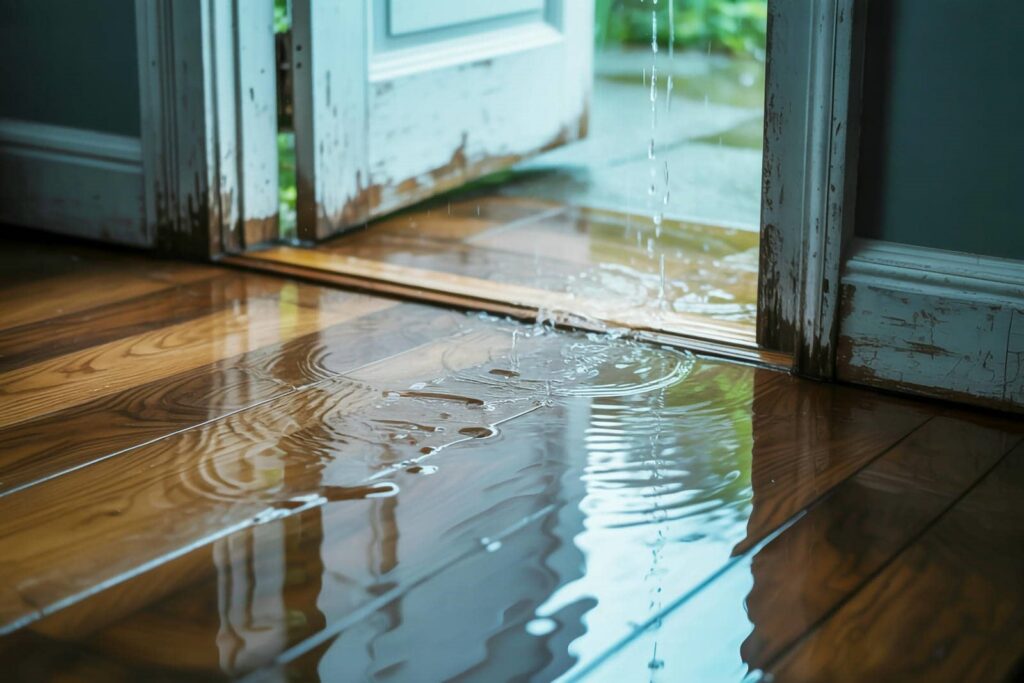
When water invades your property, every second counts. You need to act fast to minimize damage and protect your investment. Emergency water removal techniques aren’t just about getting rid of water; they’re essential for preventing mold growth and structural issues. Understanding how to respond quickly can save you time and money. What’s the first step in effectively tackling water damage? Let’s explore the critical actions you must take.
Key Takeaways
- Swift action minimizes property damage and prevents costly repairs from prolonged water exposure.
- Effective water removal reduces the risk of mold growth, which can develop within 24 to 48 hours.
- Quick response enhances safety by eliminating potential hazards associated with standing water.
- Timely extraction preserves the structural integrity of your home, preventing foundational damage.
- Emergency techniques protect your investment by maintaining property value and promoting a healthier living environment.
How to Effectively Remove Water in Emergencies
When water floods your space, act quickly to mitigate damage and maintain safety. Start by identifying the source of the water and stopping it if possible.
Utilize effective water extraction methods, such as pumps and wet vacuums, to remove standing water. For smaller areas, mops and towels can help, but make sure you’re using commercial-grade equipment for larger volumes.
Implement emergency response techniques, like creating barriers to prevent further spread. Once excess water is removed, focus on drying surfaces using fans and dehumidifiers, as lingering moisture can lead to mold growth.
Don’t forget to document the damage for insurance purposes. Swift action protects your property and fosters a sense of community resilience.
Why Quick Responses Matter
Quick responses are vital in emergency water removal because every minute counts in preventing further damage. A quick response allows for effective damage control, minimizing the impact on your property and belongings.
By prioritizing emergency preparedness, you ensure that you’re ready to act swiftly when water intrusion occurs. Conducting a risk assessment ahead of time helps you understand potential vulnerabilities and the urgency of each situation.
Time sensitivity is critical; the longer water sits, the more severe the damage becomes. Effective communication with your team or emergency services accelerates response times, making sure everyone knows their roles.
Together, these strategies create a cohesive approach, fostering a sense of belonging and support within your community during crises. Taking action now can save you headaches later.
Common Causes of Water Damage in Homes
Water damage can strike unexpectedly, often due to plumbing leaks and breaks that can go unnoticed until it’s too late.
Natural disasters like floods and storms can also wreak havoc on your home, leading to significant water intrusion.
Understanding these common causes is essential for effective prevention and rapid response.
Plumbing Leaks and Breaks
Plumbing leaks and breaks can swiftly escalate from minor annoyances to major disasters, leading to significant water damage in your home. Regular plumbing inspections are essential for identifying potential issues before they worsen.
Signs of leaks, such as water stains or dampness, require immediate attention. Utilizing professional leak detection methods can help pinpoint hidden leaks, preventing costly repairs and extensive damage.
Ignoring these issues can result in mold growth and structural damage, impacting not just your home but your peace of mind. You’re not alone in facing these challenges; proactive measures can safeguard your living space.
Don’t wait for a small leak to turn into a flood—act now to protect your home and ensure a safe, healthy environment for you and your loved ones.
Natural Disasters Impact
When natural disasters strike, the risk of water damage in homes can escalate dramatically.
With climate change intensifying weather patterns, you need to be aware of common causes of water damage. Here are four key factors to examine:
Flooding: Heavy rains can overwhelm drainage systems, leading to significant home damage.
Hurricanes: Extreme winds and storm surges can breach property barriers, flooding your home.
Melting Snow: Rapid snowmelt can saturate the ground, causing water to seep into basements.
Earthquakes: Ground movements can rupture pipes, leading to unexpected leaks.
Disaster preparedness is essential.
How Quick Water Removal Stops Mold in Its Tracks
If you act swiftly to remove excess water from a space, you can greatly reduce the risk of mold growth. Mold thrives in damp environments, and even a small amount of water damage can ignite a rapid infestation.
By initiating immediate water removal, you deprive mold spores of the moisture they need to flourish. Use pumps, dehumidifiers, and fans to accelerate the drying process.
Don’t underestimate the urgency; every hour counts. Mold can start to develop within 24 to 48 hours after water exposure.
If you’re part of a community that values health and safety, taking these steps can protect your space as well as the well-being of those around you.
Act now to safeguard against mold growth.
How to Assess Water Damage
To effectively assess water damage, you need to conduct a thorough visual inspection first.
Next, measure moisture levels in affected areas to determine the extent of the damage.
Finally, identify the source of the water intrusion to prevent future issues and ensure an all-encompassing response.
Visual Damage Inspection
Visual damage inspection is essential for identifying the extent of water damage in a property. Conducting a thorough visual assessment allows you to document damage accurately and prioritize repairs.
Here’s what to focus on during your inspection:
Walls and Ceilings: Look for discoloration, bubbling paint, or sagging areas.
Floors: Check for warping, buckling, or soft spots that indicate moisture.
Furniture: Assess whether items are stained or show signs of mold growth.
Electrical Systems: Examine outlets and wiring for corrosion or damage.
Each detail you uncover is critical for effective damage documentation and ensuring a safe recovery process.
Don’t underestimate the impact of a meticulous inspection; it’s the first step toward restoring your home and peace of mind.
Moisture Level Assessment
While you may have identified visible damage, accurately evaluating moisture levels is essential for determining the full extent of water infiltration.
Start by using moisture measurement tools like moisture meters to assess affected materials. These devices provide important data that helps gauge how deeply water has penetrated surfaces.
Don’t overlook humidity control; maintaining appropriate humidity levels is fundamental in preventing mold growth and further damage. Make sure to check both the air and surfaces to get a thorough view of the situation.
Document your findings for a better understanding of the damage and to guide your recovery efforts.
Source Identification Techniques
Identifying the source of water damage is vital, as it directly impacts your recovery efforts. Here’s how you can assess the situation effectively:
Source Tracking: Pinpoint the origin of the leak to prevent future issues.
Leak Detection: Utilize advanced tools for precise identification of hidden leaks.
Moisture Mapping: Create a visual representation of affected areas to guide your restoration planning.
Damage Assessment: Evaluate the extent of damage to prioritize emergency protocols.
Don’t ignore contamination risks—conduct water testing to ensure safety.
Equipment selection is essential for effective restoration, and a thorough structural evaluation can help you address underlying problems.
Should You DIY Water Removal or Hire a Professional?
When faced with water damage, you might wonder whether to tackle the cleanup yourself or call in a professional.
DIY risks include insufficient equipment availability and inadequate skill level, which can lead to further damage and higher long-term costs. While DIY might seem cheaper upfront, consider the cost comparison against hiring experts who bring professional expertise and advanced tools.
Professionals ensure time efficiency and address safety concerns that inexperienced individuals might overlook. If you lack the necessary equipment or skills, it’s wise to hire a pro.
Ultimately, investing in professional help often results in long-term solutions, assuring your home is restored effectively and safely without the added stress of potential mishaps.
Must-Have Tools for Emergency Water Removal
If you decide to handle water removal yourself, having the right tools can make a significant difference in the efficiency and effectiveness of your efforts.
Equip yourself with essential items to tackle the situation head-on:
Water Extraction Equipment: Invest in powerful pumps and vacuums to quickly remove standing water.
Flood Response Kits: These kits contain essential supplies like sandbags and absorbent materials to control water flow.
Moisture Meters: Use these to identify hidden damp areas that could lead to mold growth.
Dehumidifiers: They’re critical for reducing humidity levels and preventing further damage.
With these tools in hand, you’ll be ready to reclaim your space and ensure the safety of your loved ones.
Don’t let water take over—act decisively!
Safety Tips for Water Extraction
Before you immerse yourself in water extraction, prioritizing safety is essential to prevent accidents and injuries. Confirm you wear appropriate protective gear like gloves and boots to shield against contaminants.
Always shut off electricity in flooded areas to avoid electric shock. Familiarize yourself with extraction techniques, as using the wrong method can lead to further damage or personal harm.
Keep your workspace well-ventilated to prevent mold growth and confirm you’re not exposed to harmful fumes. Be cautious of slippery surfaces and potential structural hazards.
If the situation feels overwhelming, don’t hesitate to call professionals; your safety is paramount. Remember, proper water safety practices protect you and contribute to effective emergency response.
Next Steps After Assessing Water Damage
After ensuring your safety during water extraction, it’s time to assess the extent of the damage. This step is essential for effective recovery and to expedite insurance claims. Here’s what you should do next:
Document everything: Take photos and videos of the affected areas.
Contact your insurance provider: Inform them about the damage and start the claims process.
Determine restoration timelines: Understand how long it may take to repair and restore your property.
Reach out to professionals: Get in touch with water damage restoration experts to evaluate and mitigate further risks.
Taking these steps protects your investment and offers peace of mind as you navigate this challenging time.
You’re not alone in this!
Long-Term Benefits of Emergency Water Removal Techniques
Implementing effective emergency water removal techniques addresses immediate damage and enhances your property’s longevity.
By acting quickly, you greatly reduce the risk of mold growth, which can lead to costly repairs and health issues.
Understanding these long-term benefits is essential for protecting your investment and ensuring a safe living environment.
Enhanced Property Longevity
When water intrusion occurs, promptly addressing the issue mitigates immediate damage and enhances your property’s longevity.
By utilizing emergency water removal techniques, you can protect your investment and ensure your home remains a safe haven. Here’s how it benefits you:
Preserves Property Value: Quick action prevents depreciation, keeping your home’s market worth intact.
Maintains Structural Integrity: Swift removal of water reduces the risk of foundational damage, protecting your home’s core.
Enhances Safety: Eliminating water reduces hazards like slips, making your space safer for family and friends.
Promotes Comfort: A dry environment contributes to a healthier living space, fostering a sense of belonging.
Take action now; your home deserves it.
Mold Prevention Strategies
To prevent mold growth effectively, addressing water intrusion immediately is vital.
Utilize prevention methods like moisture control and air circulation to create an environment resistant to mold. Start with surface cleaning to eliminate any existing spores and implement humidity management techniques, keeping levels below 60%.
Regular inspections are important; check for leaks and damp areas frequently. Sealant application on vulnerable surfaces can further protect against moisture penetration.
By taking these proactive steps, you foster a safe space for yourself and your loved ones. Remember, mold thrives in hidden corners, so vigilance is key.
Prioritizing these strategies safeguards your property and cultivates a healthier living environment for everyone.
Don’t wait—act now to ensure lasting protection.
Frequently Asked Questions
How Can I Prevent Future Water Damage in My Home?
To prevent future water damage in your home, implement effective waterproofing techniques and install moisture barriers. Regularly inspect roofs and gutters, and address leaks promptly to safeguard your space and ensure lasting protection.
What Insurance Covers Emergency Water Removal Costs?
Most homeowners’ insurance policies cover water damage, but specifics vary. Check your policy for details on emergency water removal costs. Understanding your insurance coverage ensures you’re prepared, protecting your home and financial peace of mind.
Are There Eco-Friendly Water Removal Methods Available?
Yes, eco-friendly water removal methods exist. You can use natural absorption techniques and eco-friendly pumps, which protect the environment while ensuring efficient water extraction. Act now to safeguard your space sustainably.
How Long Does Water Removal Typically Take?
Water removal typically takes 24 to 48 hours, depending on the severity. Efficient water extraction and advanced drying techniques speed up the process, ensuring your space returns to normal quickly and safely. Don’t delay action!
What Signs Indicate Hidden Water Damage?
You might think everything’s fine, but hidden leaks can wreak havoc. Look for water stains, mold growth, or musty odors. Using moisture detection tools early can save you from costly repairs down the road.
Wrap-Up
In the face of unexpected water intrusion, don’t let your home’s foundation be the silent victim. Swift, decisive action using emergency water removal techniques not only safeguards your property but also preserves your peace of mind. By taking charge of the situation promptly, you’re not just protecting walls and belongings; you’re investing in a healthier, more secure living environment. Remember, when water comes knocking, a rapid response keeps it from overstaying its welcome.