
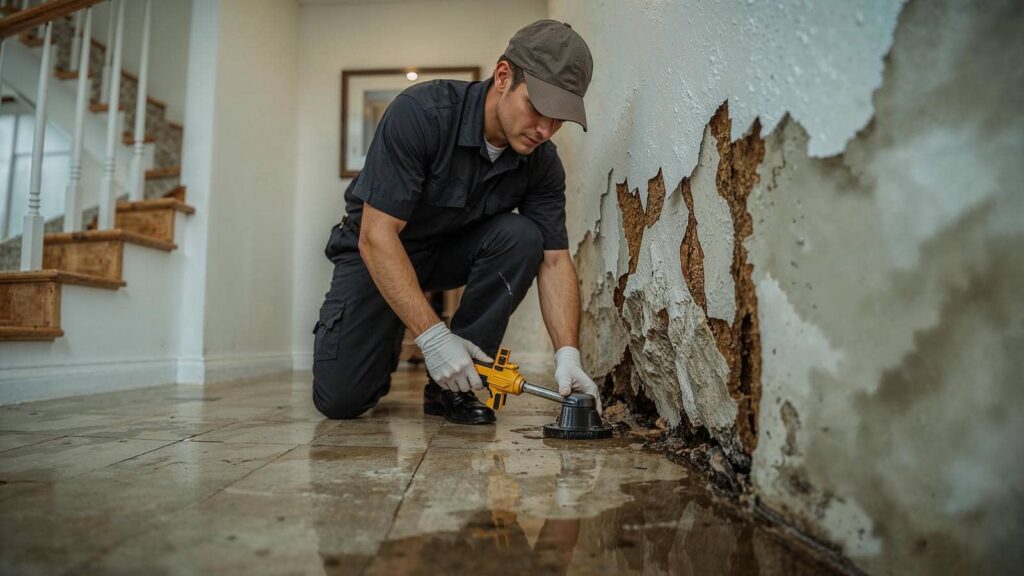
You might wonder if early detection of water damage really makes a difference. In reality, addressing issues like discoloration or damp spots promptly can prevent significant structural harm and mold growth. Understanding how to assess these signs accurately is vital for effective water damage restoration. As you explore the tools and techniques available, you’ll uncover essential insights that can save both time and money in the long run. What steps should you take next?
Key Takeaways
- Identify visible signs of water damage, such as discoloration and damp spots, to initiate timely assessment and restoration.
- Utilize moisture meters and infrared cameras to detect hidden moisture and assess damage accurately.
- Document findings with photos for insurance claims and to track the extent of damage.
- Engage professional help for thorough assessments and tailored restoration strategies, minimizing long-term risks.
- Quickly address the source of water to limit damage and prevent mold growth effectively.
How to Assess Water Damage in Your Home
When you discover water damage in your home, it’s crucial to act quickly and assess the extent of the issue. Start by identifying visible signs, such as discoloration on walls or ceilings, and check for damp spots.
Use a moisture meter to measure the levels in affected areas, ensuring you catch hidden damage. Document everything with photos for your records and potential home insurance claims.
Don’t forget to reflect on water damage prevention measures, like inspecting plumbing and sealing windows.
Evaluate your home insurance coverage, as some policies may not fully cover water damage. By understanding these factors, you can effectively address the problem and minimize future risks, fostering a safer environment for you and your family.
Common Causes of Water Damage in Homes
Understanding the common causes of water damage in homes is essential for effective prevention and restoration.
You’ll find that plumbing failures and leaks, weather-related incidents, and appliance malfunctions are primary contributors to this issue.
Identifying these risks can help you take proactive measures to safeguard your property.
Plumbing Failures and Leaks
Although many homeowners overlook plumbing systems, failures and leaks are among the most common culprits of water damage in residential properties.
To protect your home, it’s crucial to prioritize proper maintenance and proactive measures, including regular plumbing inspections and effective leak detection.
Here are three key causes of plumbing failures:
- Aging Pipes: Over time, corrosion or wear can lead to leaks, especially in older homes.
- Improper Installation: Faulty connections or inadequate fittings can result in significant water loss and damage.
- High Water Pressure: Excessive pressure can stress your plumbing system, causing joints to fail and pipes to burst.
Weather-Related Incidents
Water damage can stem from various sources, and weather-related incidents are among the most significant. Heavy rainfall, hurricanes, and flooding can overwhelm drainage systems, leading to water intrusion in your home.
Understanding flood preparedness is essential; proactive measures can mitigate storm impact. Make sure your property has proper grading and drainage systems to redirect water away. Install sump pumps and maintain gutters to prevent overflow.
Even minor weather events can cause leaks or seepage if your home isn’t adequately protected. Regularly inspect your roof and windows for vulnerabilities.
Appliance Malfunctions and Overflows
Appliance malfunctions and overflows often catch homeowners off guard, leading to significant water damage. Understanding the common causes can help you take proactive measures for overflow prevention and protect your home.
- Washing Machines: Appliance leaks from hoses or faulty connections can result in extensive flooding.
- Refrigerators: Ice makers and water dispensers may malfunction, causing leaks that go unnoticed until it’s too late.
- Dishwashers: Blocked filters or damaged seals can lead to water pooling around the appliance.
Regular maintenance checks are vital for identifying potential appliance leaks before they escalate.
Top Signs of Water Damage to Look Out For
When evaluating your home for water damage, keep an eye out for visible water stains on walls and ceilings, as these often signal underlying moisture issues.
Additionally, a musty odor can indicate mold growth, which thrives in damp environments.
Identifying these signs early can prevent further structural damage and costly repairs.
Visible Water Stains
How can you identify hidden water damage before it escalates? One of the most telling signs is visible water stains. These stains can reveal underlying issues linked to visible water sources. The duration of these stains often indicates how long the problem has persisted, helping you gauge severity and urgency.
Here are three key aspects to evaluate:
- Color Variation: Darker or yellowish stains often suggest prolonged exposure to moisture.
- Texture Changes: Bubbling or peeling paint may indicate trapped moisture.
- Location: Stains near plumbing fixtures or ceilings usually signal leaks that need immediate attention.
Musty Odor Presence
Have you ever walked into a room and noticed a lingering musty odor? That distinct musty smell often signals underlying water damage.
In a damp environment, mold and mildew thrive, releasing volatile organic compounds that contribute to that unpleasant scent. If you detect this odor, it’s essential to act quickly; the presence of moisture can escalate structural issues and health risks.
Investigate areas like basements, bathrooms, or around plumbing fixtures, where leaks might occur. Use a moisture meter to pinpoint hidden dampness, ensuring you address the root cause effectively.
Why Timely Water Damage Assessment Matters
Timely assessment of water damage is essential for minimizing long-term impacts on your property. An urgent response can save you from extensive repairs and health risks.
Here are three vital reasons to act quickly:
- Mold Prevention: Prompt evaluation limits moisture exposure, reducing the risk of mold growth, which can lead to serious health issues.
- Structural Integrity: Early assessment helps identify hidden damage, ensuring your property remains safe and structurally sound.
- Cost Efficiency: Addressing issues immediately can prevent escalating repair costs, keeping your budget intact.
Tools and Techniques for Water Damage Inspection
When inspecting for water damage, you’ll rely heavily on moisture detection devices and visual inspection methods.
These tools provide critical data, allowing you to pinpoint hidden moisture and assess the extent of damage effectively.
Understanding how to utilize these techniques will enhance your inspection accuracy and inform your restoration strategy.
Moisture Detection Devices
Moisture detection devices play an essential role in identifying hidden water damage, as they allow professionals to assess moisture levels accurately and swiftly.
Utilizing advanced detection technology, these tools enable you to pinpoint areas at risk and implement effective moisture mapping strategies.
Here are three key types of moisture detection devices:
- Moisture Meters: These handheld devices measure the moisture content in various materials, providing immediate feedback on affected areas.
- Infrared Cameras: They detect temperature variations, revealing hidden moisture behind walls and ceilings.
- Hygrometers: These instruments measure humidity levels in the air, helping assess the overall moisture environment.
Visual Inspection Methods
After evaluating moisture levels with detection devices, the next step involves a detailed visual inspection to identify visible signs of water damage.
You’ll want to meticulously check walls, ceilings, and floors for discoloration, warping, or mold growth.
Employ thermal imaging to detect hidden moisture behind surfaces, revealing issues that aren’t immediately visible. This technique allows you to pinpoint problem areas quickly and efficiently.
For larger properties or hard-to-reach locations, consider drone inspections. Drones provide a bird’s-eye view, enabling you to assess rooftops and elevated structures without risking safety.
Combining these methods ensures a thorough assessment, enabling you to formulate an effective restoration plan tailored to the property’s specific needs.
How to Identify Hidden Water Damage
How can you pinpoint hidden water damage before it escalates into a more serious problem? Being proactive is key. Start by inspecting common areas where hidden leaks may occur.
Here are three critical steps:
- Check for Damp Basements: Look for signs of moisture or mold growth, which can indicate underlying issues.
- Examine Walls and Ceilings: Be alert for wall discoloration or ceiling bubbles that suggest trapped moisture.
- Assess Crawl Spaces and Attics: Inspect pipe insulation and monitor for attic moisture, which could lead to significant drywall damage and foundation issues.
Assessing Structural Damage Caused by Water
Identifying hidden water damage lays the groundwork for understanding potential structural issues that may arise.
To assess structural damage, start by examining load-bearing elements like beams and columns. Look for signs of warping, cracking, or discoloration, which can indicate compromised structural integrity.
Don’t overlook floors and walls; moisture can weaken materials over time, leading to sagging or instability. Conduct a thorough damage assessment, using moisture meters to pinpoint affected areas.
Pay attention to materials like drywall and wood, as they may harbor hidden damage. If you spot any issues, it’s essential to consult professionals who can provide a detailed evaluation and recommend necessary repairs.
Addressing these concerns promptly can save you high costs and ensure your home remains safe and sound.
Understanding Mold Risks After Water Damage
Given that moisture creates an ideal environment for mold growth, it’s important to understand the risks associated with water damage.
Mold can proliferate rapidly, posing health hazards and structural issues. Here are three key factors to keep in mind:
- Humidity Levels: High humidity increases mold growth conditions; aim to maintain indoor levels below 60%.
- Water Source: Identify whether the water is clean or contaminated, as this affects both the urgency and the mold prevention strategies needed.
- Time Frame: Mold can start to grow within 24-48 hours post-water damage; swift action is vital.
Why You Should Call in the Pros for Water Damage?
When water damage strikes, attempting to handle it on your own might seem tempting, but calling in professionals is essential for effective restoration.
Their professional expertise ensures you get a thorough assessment and tailored restoration services that address both immediate and long-term issues.
DIY efforts can lead to overlooked problems, like hidden moisture that fosters mold growth or structural damage.
Professionals utilize specialized equipment to detect and eliminate these risks, assuring your space returns to a safe condition.
Additionally, they navigate insurance claims more efficiently, reducing your stress.
What to Do After Discovering Water Damage?
What steps should you take immediately after discovering water damage? Acting quickly is essential for an effective emergency response. Here’s what you need to do:
- Identify the Source: Determine where the water is coming from and stop the flow if possible. This minimizes damage and aids in your insurance claims process.
- Document the Damage: Take photos and videos of the affected areas. This documentation will support your insurance claims and help professionals assess the situation.
- Contact Professionals: Reach out to water damage restoration experts. They have the tools and expertise to mitigate further issues and restore your space effectively.
Taking these steps protects your property and also prepares you for the subsequent insurance claims process.
Frequently Asked Questions
How Can I Prevent Future Water Damage in My Home?
To prevent future water damage in your home, implement effective waterproofing methods and install drainage solutions. Regularly inspect your property for leaks, maintain gutters, and ensure proper grading to direct water away from your foundation.
What Insurance Coverage Typically Applies to Water Damage Claims?
When considering water damage claims, your policy often covers sudden incidents but excludes flood damage unless you have flood insurance. Always review your policy exclusions to ensure you’re adequately protected against unexpected events.
How Long Does the Water Damage Restoration Process Take?
The water damage restoration process typically takes 3 to 7 days. It involves water extraction and advanced drying techniques, ensuring your space is thoroughly restored and preventing further damage or mold growth.
Can I Handle Water Damage Restoration on My Own?
You can’t tackle water damage restoration on your own—it’s like fighting a hurricane with a garden hose. While DIY restoration seems tempting, professional services ensure thorough, effective recovery, safeguarding your home and peace of mind.
What Are the Health Risks Associated With Water Damage?
Water damage poses serious health risks, including mold growth that can trigger allergies and respiratory issues. Additionally, compromised structural integrity may lead to unsafe conditions, increasing the risk of injuries in affected areas.
Recap
In the digital age, acting swiftly when you spot water damage is essential. Just like a hard drive can crash if not backed up, your home can suffer irreversible harm without timely assessment. By recognizing signs, using the right tools, and understanding the risks, you can protect your property and its value. Don’t hesitate to call in professionals if needed; their expertise can save you time, money, and stress in the long run.