
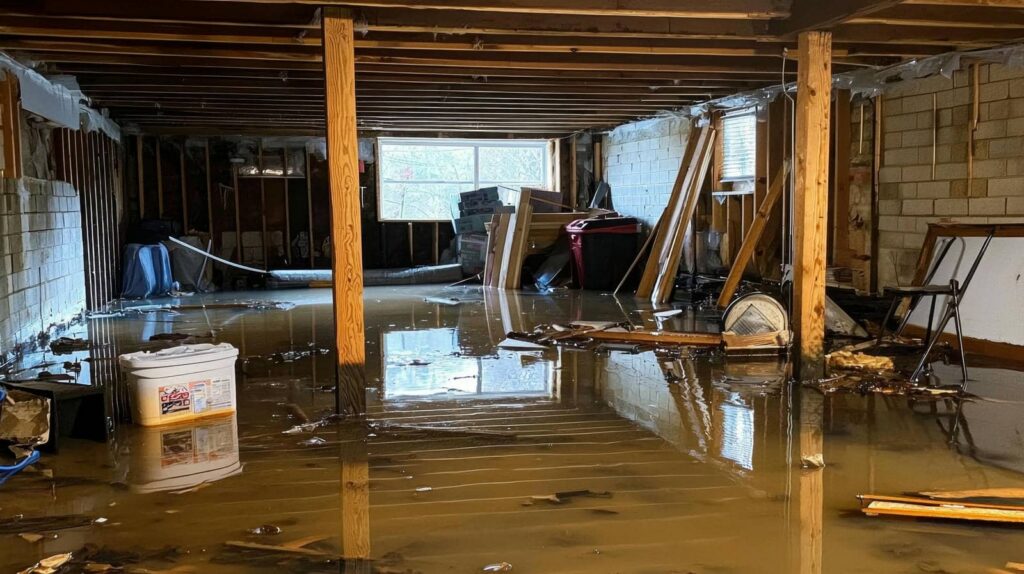
When dealing with water damage, an accurate evaluation is essential for effective restoration. You’ll want to employ various techniques to identify both visible and hidden issues. From visual inspections to advanced tools like moisture meters and infrared cameras, each method plays a vital role. Understanding these techniques can help you prioritize repairs and prevent further damage. But how do you determine which methods to use first? Let’s explore the best approaches for evaluating water damage.
Key Takeaways
- Utilize moisture mapping techniques to identify hidden moisture pockets and prevent mold growth.
- Conduct visual inspections for discoloration, peeling paint, and warped floors to spot moisture issues.
- Employ moisture meters and infrared cameras to accurately measure and detect moisture levels in materials.
- Assess structural integrity by inspecting load-bearing elements for warping, sagging, or deterioration due to moisture.
- Develop a tailored restoration plan based on findings to ensure effective repairs and communication with stakeholders.
Why Accurate Water Damage Assessment Is Crucial
An accurate water damage restoration assessment is essential for effective restoration. When you evaluate the extent of water intrusion, using moisture mapping techniques helps pinpoint hidden moisture pockets. This step is critical since undetected moisture can lead to mold growth and structural issues.
You’ll also need to classify the damage, which involves determining the source and category of water. By understanding whether it’s clean, gray, or black water, you can tailor your response efficiently. This classification helps you prioritize your restoration efforts and ensures you address health risks appropriately.
A thorough assessment allows for informed decision-making, fostering a sense of security among property owners while facilitating a successful restoration process.
Visual Inspection: Spotting Signs of Water Damage
While evaluating water damage, a thorough visual inspection is essential for identifying visible signs of moisture intrusion. Start by checking for discoloration on walls and ceilings, which may indicate water stains. Pay close attention to areas near windows, plumbing fixtures, and roofs.
Look for peeling paint or wallpaper, as these can signal underlying moisture issues. Don’t forget to inspect floors for buckling or warping, which often points to severe water exposure.
Incorporate mold detection techniques, noting any musty odors or visible mold growth. Utilize moisture mapping to pinpoint affected areas accurately.
Essential Tools for Water Damage Assessment
Effective water damage assessment relies on a range of essential tools that facilitate accurate evaluation.
One key tool is the moisture meter, which measures the moisture content in various materials. This helps you identify hidden dampness in walls, floors, and ceilings, ensuring you don’t miss any affected areas.
Infrared cameras are equally crucial; they detect temperature differences, revealing moisture buildup behind surfaces that may not be visible to the naked eye.
By employing these tools, you can make informed decisions on the extent of damage and the necessary restoration steps.
Utilizing moisture meters and infrared cameras not only enhances your assessment but fosters a sense of belonging within the community of professionals dedicated to effective water damage restoration.
How to Assess Structural Integrity Post-Water Damage
After evaluating moisture levels with tools like moisture meters and infrared cameras, it’s essential to assess the structural integrity of the affected areas.
Start your structural evaluation by inspecting load-bearing walls, beams, and floors for signs of warping or sagging. Use moisture detection methods to identify hidden water pockets that could compromise stability.
Check for mold or wood rot, which can weaken materials. Pay attention to joints and connections, as they may be affected by prolonged exposure to moisture.
Document any findings carefully, noting the extent of damage to guide your restoration efforts. Ensuring structural integrity is vital for safety and long-term durability, so take these assessments seriously.
Your diligence now can prevent larger issues later.
Next Steps: Planning Restoration Based on Your Findings
Once you’ve assessed the structural integrity and documented your findings, the next step is to develop a thorough restoration plan tailored to the specific damage.
This plan should include a clear restoration timeline and prioritize actions based on your damage documentation. Here’s a concise approach:
- Identify Immediate Needs: Focus on urgent repairs to prevent further damage.
- Outline Restoration Steps: Detail each phase of the restoration, from drying to repairs.
- Allocate Resources: Determine the necessary tools, materials, and personnel required.
- Establish a Communication Plan: Keep all stakeholders informed throughout the process.
Frequently Asked Questions
How Long Does a Water Damage Assessment Typically Take?
A water damage assessment typically takes one to three hours, depending on the extent of the damage. You’ll use specialized assessment tools to determine the water damage timeline and identify necessary restoration steps.
Can I Perform a Water Damage Assessment Myself?
Yes, you can perform a DIY assessment. You’ll need moisture meters, infrared cameras, and safety gear. While it’s rewarding, be cautious—water damage can hide, so thoroughness is key to ensuring your home stays safe.
What Are the Common Signs of Hidden Water Damage?
You’ll notice common signs of hidden water damage like discoloration, warped walls, or musty odors. Employ leak detection tools and moisture meters to identify hidden sources, preventing structural damage and potential issues with insurance claims.
How Often Should I Assess for Water Damage?
You should assess for water damage at least every six months as part of your preventive measures. Increased inspection frequency helps you catch issues early, ensuring a safer, healthier environment for you and your family.
Is Mold Growth a Concern During Assessment?
Yes, mold growth is a major concern during assessment. Can you afford the health risks associated with mold? Prioritizing mold prevention ensures a safe environment and protects your well-being from potential hazards lurking in damp areas.
Conclusion
Just as a skilled gardener prunes away dead branches to promote healthy growth, your thorough evaluation of water damage sets the stage for a robust restoration. By employing visual inspections, moisture mapping, and essential tools, you ensure that every hidden pocket of moisture is identified and addressed. Evaluating structural integrity is like checking the roots of a tree—without a solid foundation, recovery is at risk. With your findings, you can plan an effective restoration, fostering resilience in your space.