
Imagine a sinking ship; every second counts as you bail water to stay afloat. In flood emergencies, the right water removal techniques can mean the difference between minor damage and a total loss. You need powerful pumps, efficient vacuums, and dehumidifiers at your disposal. But what should you do when the water’s gone? Understanding the steps and tools involved is vital for effective recovery. Let’s explore the essential methods to ensure your space dries out quickly.
Key Takeaways
- Utilize pumps for large volumes of water to expedite the removal process during flood emergencies.
- Employ powerful wet/dry vacuums for efficiently tackling standing water and debris in smaller areas.
- Use mops and buckets to address residual moisture after primary water removal.
- Implement natural drainage methods when possible to enhance water diversion and minimize flooding impacts.
- Consider hiring professional water extraction services for extensive flooding or structural concerns.
Understanding Flood Types and Their Impact
When you understand the different types of floods, you can better assess their impact on your property and safety.
Flood classification is essential for recognizing the specific threats you might face. Common types include river floods, flash floods, and coastal flooding, each varying in flood severity.
River floods can develop gradually, while flash floods occur suddenly, often with little warning. Coastal flooding typically results from storm surges, affecting homes and infrastructure near shorelines.
Must-Have Tools for Quick Water Removal
When faced with flood emergencies, having the right tools is vital for effective water removal.
Essential pumps and hoses, powerful wet/dry vacuums, and durable water-absorbent materials can greatly speed up the process.
Equip yourself with these must-have items to minimize damage and restore safety quickly.
Essential Pumps and Hoses
In flood emergencies, having the right pumps and hoses at your disposal can make all the difference in effective water removal.
Submersible pumps are essential for quickly extracting water from sump pits, while industrial hoses transport water away efficiently. Pair these with portable generators to ensure you have power when needed.
High-capacity vacuums can tackle residual moisture, and pressure washers help clean surfaces afterward. For ideal water diversion, make sure your drainage systems are clear and functional.
Don’t overlook hose attachments; they can enhance flexibility and reach. Understanding how to use these tools effectively can greatly reduce damage and promote quicker recovery, making you an invaluable part of your community during crises.
Powerful Wet/Dry Vacuums
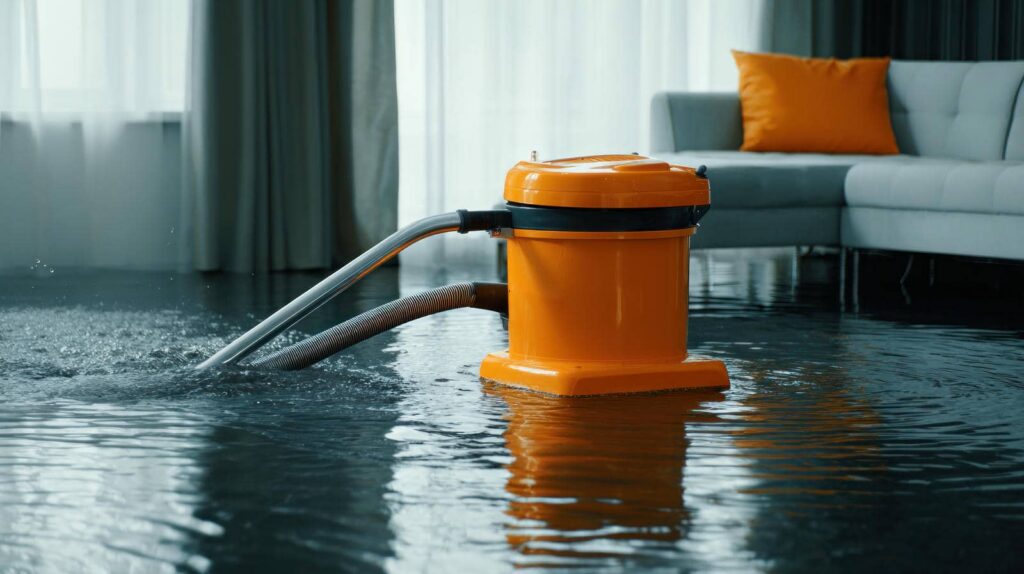
After securing your pumps and hoses, powerful wet/dry vacuums become indispensable for rapid water removal in flood emergencies. These vacuums combine exceptional vacuum power with wet/dry functionality, making them ideal for tackling both standing water and debris.
When you face flooding, having one on hand ensures you can quickly mitigate damage to your property.
Look for a model with a high CFM (cubic feet per minute) rating to maximize efficiency. Additionally, consider the tank capacity; a larger tank means less frequent emptying during use.
With the right wet/dry vacuum, you’ll enhance your water removal efforts and gain peace of mind, knowing you’re equipped to handle the crisis effectively.
Durable Water Absorbent Materials
Durable water-absorbent materials are essential tools for quick water removal during flood emergencies. These absorbent materials, such as advanced textiles and eco-friendly options, offer effective flooding solutions by maximizing water retention.
Implementing moisture barriers can enhance structural protection, preventing further damage to your property. Utilizing innovative drying techniques alongside these materials accelerates the drying process, ensuring your space returns to normalcy swiftly.
Look for products that leverage the latest textile innovations, as they provide enhanced performance and sustainability. By incorporating these strategies, you address immediate water removal needs and contribute to long-term resilience against future flooding.
Equip yourself with the right absorbent materials, and you’ll foster a sense of belonging within your community’s preparedness efforts.
How to Extract Water: A Step-by-Step Guide
Extracting water quickly and efficiently is essential during a flood emergency.
Start with a thorough damage assessment to identify affected areas. Prioritize personal safety by wearing protective gear and ensuring your drainage systems are clear.
Use appropriate water extraction equipment, like pumps and wet vacuums, to remove standing water. Regular equipment maintenance is vital for peak performance.
After extraction, conduct a structural evaluation to assess any potential risks. Implement restoration techniques to prevent mold and further damage.
Keep detailed records for insurance claims, documenting all processes.
Finally, review flood preparedness measures for future incidents. This systematic approach safeguards your property and fosters a sense of community resilience.
When Should You Call Professionals for Water Removal?
When should you consider calling professionals for water removal? If you face significant water damage, acting quickly is essential for minimizing long-term effects.
Here are four scenarios where professional help is critical:
Extensive Water Infiltration: If water covers more than a few inches, DIY efforts may be insufficient.
Structural Concerns: If your home’s structure is compromised, expert assessment is important for safety.
Electronics and Appliances: If water has reached electrical outlets or appliances, immediate professional intervention is required.
Restoration Timeline: When you need a swift restoration timeline to return to normalcy, professionals can expedite the process.
In these situations, relying on experts ensures effective, thorough water removal, safeguarding your home and your health.
How to Prevent Mold After Water Removal
After removing water, taking immediate steps to prevent mold growth is essential.
Start with thorough surface cleaning to eliminate any residual moisture. Implement humidity control by using dehumidifiers to keep levels below 60%.
Enhance air circulation with fans and effective ventilation strategies to promote drying. Regularly inspect areas prone to dampness, making sure you catch any mold signs early.
If materials like drywall or carpeting are too saturated, consider material replacement to avoid long-term issues. Maintain a consistent inspection frequency to safeguard against hidden mold growth.
Preparing for Future Flood Emergencies: Tips and Resources
To prepare for future flood emergencies, you need to assemble an emergency kit that includes essentials like water, food, and first-aid supplies.
Familiarizing yourself with local community resources can provide critical support during crises.
Being proactive in these areas enhances your resilience and response capability when floods strike.
Emergency Kit Essentials
As flood emergencies can strike with little warning, having an emergency kit ready is vital for your safety. This kit should include critical items that will help you manage until help arrives.
Here are four essentials to include:
Water Purification Supplies: Portable filters or purification tablets can make contaminated water safe to drink.
Emergency Food: Stock non-perishable items like energy bars or canned goods to sustain you.
First Aid Kit: Include bandages, antiseptics, and necessary medications.
Flashlight and Batteries: Vital for visibility during power outages.
Being prepared with these items can make a significant difference in your ability to cope effectively during a flood emergency.
Stay safe, stay connected, and make sure you’re ready!
Community Resources Availability
Having an emergency kit is just the start of your flood preparedness. To enhance your readiness, tap into community resources. Local organizations often provide essential support, including volunteer networks that mobilize quickly during crises.
Collaborate with emergency services to understand resource allocation and available training programs for effective response. Stay informed about government assistance options, which can offer financial aid during recovery.
Public awareness campaigns can also guide you in connecting with these resources. Engaging with your community fosters resilience; it ensures everyone is prepared and informed.
Frequently Asked Questions
What Should I Do Immediately After a Flood Occurs?
After a flood, gather your emergency supplies and assess safety precautions. Confirm your area is secure, check for hazards, and avoid contaminated water. Stay informed through local updates to protect yourself and your community effectively.
How Can I Safely Enter a Flooded Area?
Before entering a flooded area, assess the environment for hazards. Wear protective gear, check for structural damage, and avoid electrical sources. Prioritize flood safety and follow entry precautions to ensure your well-being and security.
What Are the Health Risks Associated With Floodwater?
Imagine stepping into contaminated water after a flood; you’re at risk for health hazards like waterborne diseases. Emergency precautions are vital to protect yourself and your community from serious infections and illnesses. Stay safe!
How Long Does It Typically Take to Remove Floodwater?
Removing floodwater typically takes 24 to 48 hours, depending on the floodwater duration and the efficiency of your removal equipment. Using high-capacity pumps can expedite the process, ensuring you restore your space quickly.
Can I Use a Regular Vacuum for Water Removal?
No, you can’t use a regular vacuum for water removal. It’s not designed for water damage. Instead, opt for a wet/dry vacuum, specifically built to handle spills and flooding effectively, ensuring safety and efficiency.
Final Thoughts
In flood emergencies, you’re like a sailor steering through a stormy sea, equipped with the right tools to guide you toward safety. By mastering effective water removal techniques, you can safeguard your home from further damage. Just as a lighthouse guides ships to shore, keeping dehumidifiers and fans at the ready will help you dry out spaces and prevent mold. Stay prepared, and you’ll weather any storm that comes your way, ensuring a swift recovery for your home.