
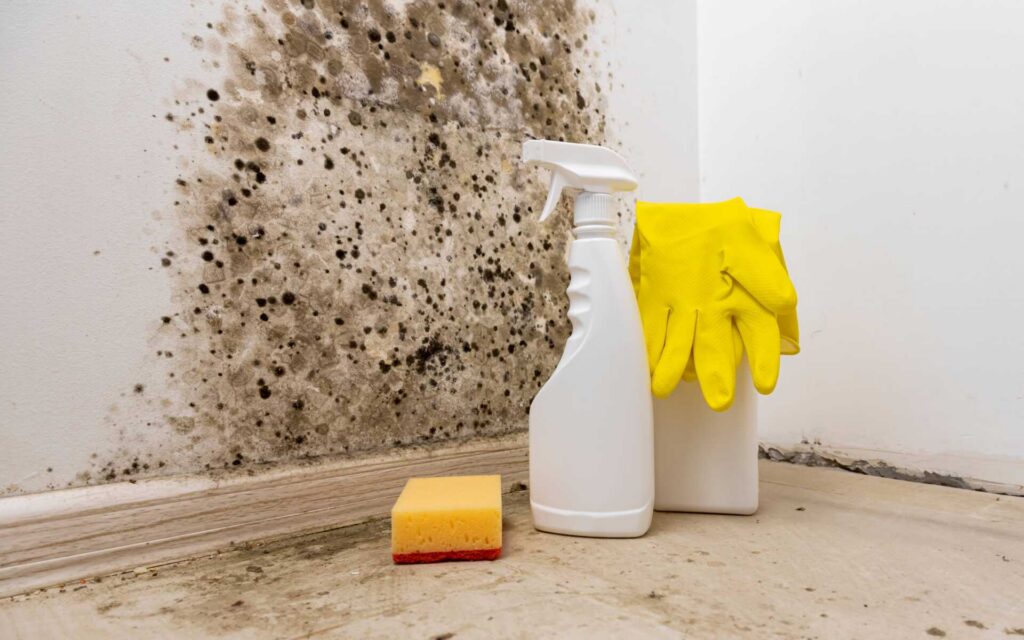
After water damage, it’s essential to act quickly to prevent mold growth. You’ll need to identify the source of the water and assess the affected areas for moisture. Start by removing any standing water and enhancing air circulation. Choosing the right materials for repairs can make a significant difference. Curious about the specific steps you can take to guarantee your home stays mold-free? Let’s explore effective strategies to safeguard your space.
Key Takeaways
- Identify and address the source of water immediately to prevent further damage and mold growth.
- Use wet/dry vacuums and dehumidifiers to remove standing water and reduce humidity levels.
- Ensure proper ventilation by opening windows and using fans to promote air circulation.
- Select mold-resistant materials and products for repairs to enhance long-term prevention.
- Conduct regular inspections in moisture-prone areas to catch early signs of mold or water leaks.
How to Quickly Assess Water Damage to Prevent Mold?
When you discover water damage, it’s essential to act fast to prevent mold growth. Start by identifying the water source—whether it’s a burst pipe, roof leak, or flooding. This will guide your next steps and help you address the root issue.
Next, conduct a thorough damage evaluation. Check affected areas like walls, floors, and ceilings for discoloration, warping, or dampness. Remember to look behind furniture and in hidden spaces, as mold can thrive in unnoticed spots.
Document your findings with photos and notes, as this will be useful for insurance claims or professional help. By quickly evaluating the situation, you can tackle the problem effectively and minimize the risk of mold taking hold in your home.
Remove Standing Water and Excess Moisture Efficiently
Act quickly to remove standing water and excess moisture, as this is essential for preventing mold growth.
Begin with effective water extraction methods—use a wet/dry vacuum or a pump to eliminate larger amounts of water.
Once the bulk is gone, tackle the moisture control. Open windows and doors to increase airflow, and consider using fans to circulate air, helping surfaces dry faster.
Don’t forget to check hidden areas, like under carpets and behind furniture, where moisture can linger.
Using dehumidifiers is also a smart move to further reduce humidity levels.
Effective Drying Techniques for Mold Prevention
After removing standing water and excess moisture, focusing on effective drying techniques is essential to prevent mold growth.
Start by using a dehumidifier to lower humidity levels in your space. Set it to maintain indoor humidity below 60% for best results.
Next, implement ventilation strategies by opening windows and doors to encourage airflow. Use fans to circulate air in affected areas, speeding up the drying process.
If possible, run your HVAC system to help control humidity further.
Regularly check for dampness in hidden areas like basements and crawl spaces, and address any lingering moisture immediately.
Choose Mold-Resistant Products for Repairs
Choosing mold-resistant products for repairs is essential if you want to safeguard your home from future water damage. By using mold-resistant materials, you can enhance your home’s defenses.
Here are some effective repair techniques to take into account:
Mold-Resistant Drywall: Opt for drywall specifically designed to resist moisture.
Waterproof Paint: Use paint that prevents mold growth on walls and ceilings.
Mold-Resistant Insulation: Choose insulation that won’t absorb moisture, reducing the risk of mold.
Sealants and Caulks: Apply mold-resistant sealants in areas prone to moisture, like kitchens and bathrooms.
Keep an Eye on Mold: Ongoing Maintenance Tips
To effectively keep mold at bay, regular monitoring and maintenance are essential, especially in areas that are prone to moisture.
Start by performing routine inspections of your home, focusing on basements, bathrooms, and kitchens. Look for any signs of water leaks, condensation, or discoloration on walls and ceilings.
Implement preventive measures like using dehumidifiers to maintain ideal humidity levels, ideally between 30-50%. Guarantee proper ventilation in high-moisture areas by using exhaust fans and opening windows when possible.
Regularly clean and maintain gutters to prevent water buildup around your home’s foundation.
By staying proactive and attentive, you’ll create a healthier living environment and greatly reduce the chances of mold returning.
Consistency in these practices fosters a sense of community and safety.
Frequently Asked Questions
How Long Does It Take for Mold to Develop After Water Damage?
Mold can start developing within 24 to 48 hours after water damage, depending on various factors like humidity, temperature, and material type. Addressing these conditions quickly helps minimize the mold growth timeline considerably.
Can I Use Bleach to Kill Mold After Water Damage?
You can use bleach for mold removal, but it’s not always effective on porous surfaces. Consider other mold removal techniques, like specialized cleaners, for better results. Always prioritize safety and proper ventilation during the process.
Are There Specific Signs of Mold to Watch For?
Look for mold colors like black, green, or white, especially near moisture sources like leaks or damp areas. Think of it as a silent guest, thriving where you least expect. Stay vigilant to protect your space.
What Are the Health Risks Associated With Mold Exposure?
Mold exposure can trigger mold allergies and respiratory issues, leading to symptoms like coughing, sneezing, and difficulty breathing. It’s essential to address any mold presence promptly to protect your health and well-being.
Should I Hire a Professional or Can I DIY Mold Removal?
If you’re handy, DIY mold kits can work, but hiring a pro guarantees thorough mold prevention strategies. Think of it like baking; even a small mistake can ruin the whole recipe. Choose wisely!
To Sum Up
By following these effective steps, you can keep mold at bay like a superhero defending your home! Remember, prompt action is key assess damage, remove water, and dry thoroughly. Choose mold-resistant materials for repairs, and maintain vigilance with regular checks. With a little effort, you’ll create a mold-free environment that stands strong against moisture. Don’t wait until it’s too late; take charge and protect your home from mold’s unwelcome return!