
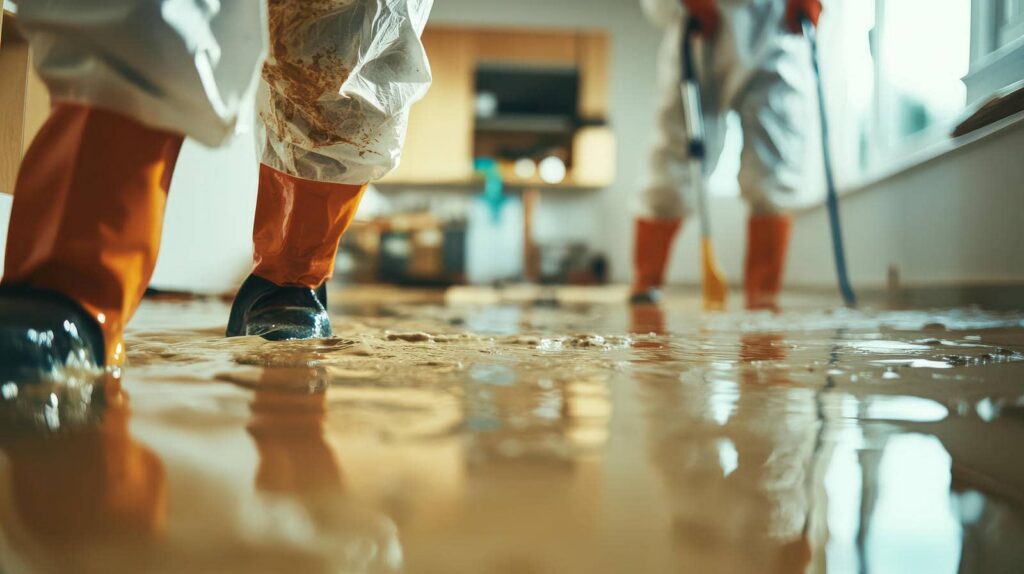
When faced with flood damage, your immediate response can greatly impact recovery. You’ll want to prioritize effective water removal techniques to minimize lasting issues. Using pumps is essential for large volumes, while wet vacuums tackle smaller areas with precision. For minor incidents, simple DIY methods can suffice. Understanding these approaches helps in immediate cleanup and prepares you for the next steps in safeguarding your space. What comes next might surprise you.
Key Takeaways
- Use pumps for efficient water removal, especially in large areas affected by flooding.
- Employ wet vacuums for smaller spaces and manageable water levels.
- Consider advanced equipment like truck-mounted vacuums for severe flooding situations.
- Document all damage thoroughly to streamline insurance claims and recovery efforts.
- Seek professional services if flooding exceeds your capacity to manage effectively.
How to Tackle Flood Damage: Essential Water Removal Techniques
When facing flood damage, it’s crucial to act quickly and efficiently to minimize destruction. Start by implementing flood prevention strategies before an emergency occurs. This includes evaluating your property’s vulnerabilities and investing in barriers and proper drainage systems.
Develop an emergency response plan that details evacuation routes and key contacts. When floodwaters rise, prioritize safety and turn off utilities if safe to do so. Use pumps and wet vacuums for water removal, ensuring you wear protective gear.
Document damage for insurance claims, and don’t hesitate to reach out to professionals for assistance. Remember, acting swiftly protects your property and fosters a sense of community support during trying times. Your proactive measures can make all the difference.
Top Flood Water Removal Techniques You Need to Know
Flood water removal requires a systematic approach to effectively mitigate damage and restore your property. You can choose between advanced equipment or DIY methods, depending on the severity of the flood.
Always prioritize safety precautions—wear protective gear and make sure electricity is turned off. If the situation feels overwhelming, consider professional services that specialize in flood recovery; they can help with insurance claims, too.
Implementing preventative measures, like sump pumps and drainage systems, can reduce future risks. Once the water’s gone, employ effective drying techniques to minimize moisture.
Don’t forget about mold prevention; using dehumidifiers and proper ventilation is essential. Each step you take now can make a significant difference in your home’s recovery and long-term health.
Steps to Keep Your Space Dry After Flooding
After removing flood water, maintaining a dry environment is essential to prevent further damage and health risks.
Start by using drying equipment like dehumidifiers and fans to circulate air and remove moisture. Position them strategically in damp areas, ensuring maximum efficiency.
Implement preventive measures such as sealing cracks in walls and windows to keep water out. Regularly check for leaks or signs of mold, addressing issues promptly.
Keep your space well-ventilated to promote drying; open windows when possible.
Consider using moisture meters to monitor humidity levels, aiming for a consistent range of 30-60%.
Frequently Asked Questions
How Can I Prevent Mold Growth After Water Removal?
To prevent mold growth, implement mold prevention strategies like thorough drying and disinfection. Utilize humidity control methods, such as dehumidifiers and ventilation, to maintain low moisture levels. You’ll create a healthier, safer environment for everyone.
Are There Health Risks Associated With Floodwater?
Flood water poses serious health hazards, such as bacteria and chemical contaminants. You must prioritize flood water safety, staying vigilant to avoid potential infections. Don’t underestimate the risks—your well-being depends on swift, informed actions.
What Tools Are Essential for DIY Flood Water Removal?
For DIY flood water removal, you’ll need sump pumps to efficiently expel water and water vacuums for cleaning up residual moisture. These tools help restore your space, ensuring a safer environment for you and your loved ones.
How Long Does It Take for a Space to Dry Completely?
It can feel like an eternity, but with the right drying equipment and favorable drying factors, you’re looking at 24 to 72 hours for a space to dry completely. Patience is key during this process.
Should I Contact Professionals for Minor Flood Damage?
Yes, you should contact professionals for minor flood damage. They can help you navigate flood insurance claims and provide emergency contacts for thorough assessment and remediation, ensuring your space’s safety and restoring your peace of mind.
Review
In the chaos of a flood, it’s easy to feel overwhelmed, but you’re not alone. By employing pumps, wet vacuums, and even simple towels, you can tackle the water effectively. Coincidentally, these methods restore your space and give you a sense of control during a trying time. Remember, documenting the damage is crucial for insurance purposes. With these techniques, you’re well-equipped to bounce back and bring normalcy back to your life.