
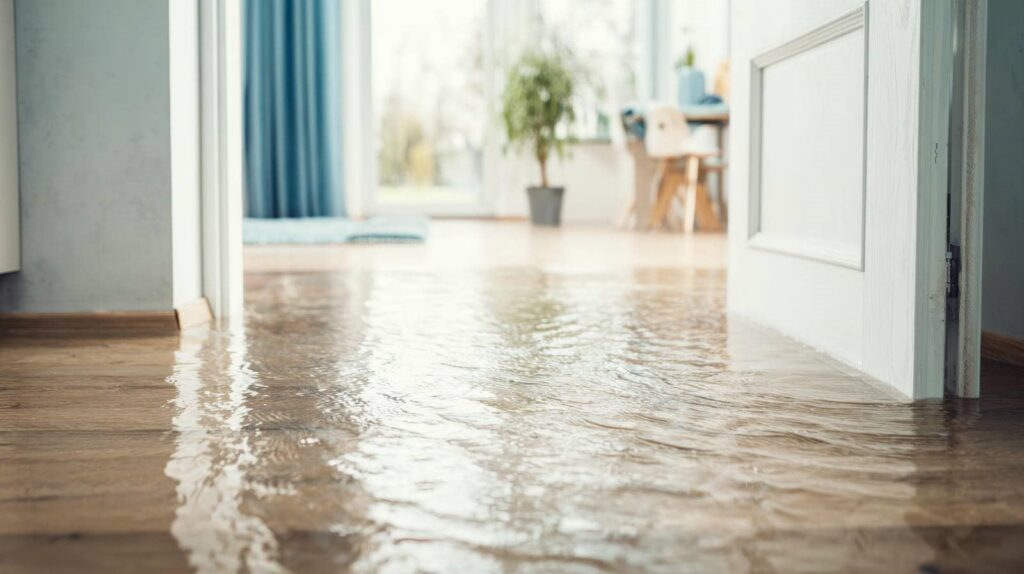
When it comes to water damage repair insurance coverage, understanding the specifics can save you from significant financial setbacks. You need to know what types of water damage are typically covered and which exclusions might apply. Even minor details in your policy could impact your claims experience. By examining these elements closely, you can better prepare for potential issues. But what happens if you encounter complications during the claims process?
Key Takeaways
- Water damage coverage typically includes natural floods, pipe bursts, and storm-related damage, but may require separate flood insurance for flooding incidents.
- Maintenance neglect and some sewer backup damage are often excluded from standard water damage policies, so review your policy carefully.
- Document all damage thoroughly with photos and lists to support your claim and avoid common pitfalls that can hinder compensation.
- If your claim is denied, understand the reasons, gather supporting evidence, and follow the appeal process outlined in your policy.
- Implement mitigation strategies immediately to minimize damage, keeping records of all efforts and expenses for your insurance claim.
What Types of Water Damage Are Covered by Insurance?
When it comes to water damage, not all incidents are created equal, and understanding what your insurance covers is vital.
Typically, policies cover various types of water damage, including flood damage resulting from natural disasters, which can be catastrophic. Pipe bursts and appliance leaks are also common claims, often leading to significant repairs.
Storm damage, including heavy rain or hail, can wreak havoc on roofs and walls, making it critical to know your coverage. Additionally, sewage backup presents not just structural concerns but health risks as well.
Foundation issues can arise from prolonged water exposure, leading to costly repairs. Familiarizing yourself with these aspects ensures you’re prepared for any eventuality, fostering a sense of security in your home.
Understanding Exclusions in Water Damage Policies
Understanding the intricacies of water damage insurance goes beyond knowing what types of incidents are covered; it also involves recognizing the exclusions that can impact your claims.
Water damage exclusions often include incidents like flooding, which may require separate flood insurance, or damage due to neglect and lack of maintenance. These policy limitations can leave you vulnerable if you aren’t aware of them.
Additionally, some policies may exclude damage from specific sources, such as sewer backups. By understanding these exclusions, you can make informed decisions about your coverage and avoid surprises when filing a claim.
Always review your policy thoroughly to ensure you’re adequately protected against potential risks associated with water damage.
Steps to File a Water Damage Insurance Claim
Filing a water damage insurance claim can seem intimidating, yet knowing the steps involved can streamline the process and ensure you receive the coverage you deserve.
Start by documenting the damage thoroughly; take photos and create a list of affected items.
Next, notify your insurance company to initiate the claim process. They’ll likely require a damage assessment, so be prepared to provide your documentation.
After submitting your claim, follow up regularly to confirm it’s being processed.
Keep all correspondence organized, as it’ll help if you need to clarify any details later.
Common Mistakes to Avoid When Claiming Water Damage
When claiming water damage, avoiding common mistakes can greatly influence your outcome.
Failing to submit complete documentation or delaying your claim can lead to complications and potential denial.
Understanding these pitfalls helps ensure a smoother claims process.
Incomplete Documentation Submission
While guiding through the claims process for water damage, it’s vital to recognize that incomplete documentation can greatly hinder your chances of receiving compensation. Many claimants underestimate the importance of documentation accuracy and fail to submit all necessary forms and evidence.
Missing photographs, repair estimates, or written statements can delay the evaluation of your claim, putting you at a disadvantage. Moreover, adhering to submission timelines is critical; late submissions may lead to outright denial.
To strengthen your claim, make sure you gather thorough evidence that supports your case. By paying careful attention to details, you can avoid common pitfalls and enhance your chances of a successful resolution, fostering a sense of community and support among those maneuvering similar challenges.
Delayed Claim Filing
Delaying your claim filing can greatly undermine your chances of receiving compensation for water damage. Insurance policies often have strict claim timelines, and missing these deadlines can result in denied claims.
When you wait too long, insurers may question the validity of your damage, assuming it could’ve been prevented or worsened by neglect. Familiarize yourself with your policy’s coverage limits; knowing what’s covered and to what extent can guide your timely submission.
Additionally, prompt filing allows you to gather necessary documentation and evidence while the damage is fresh. Avoiding delays strengthens your claim and ensures you receive the financial support you need to restore your home effectively.
Prioritize timely action to safeguard your interests.
What to Do If Your Water Damage Claim Is Denied?
If your water damage claim is denied, the first step is to understand the specific reasons behind the decision.
Once you have clarity on the denial, you can appeal the decision or seek professional help to navigate the process.
Addressing these aspects methodically can increase your chances of a successful resolution.
Understand Denial Reasons
Understanding the reasons behind a denial of your water damage claim can be vital for managing the appeals process effectively. Common denial factors include insufficient documentation, failure to meet policy requirements, or misinterpretations of the damage’s cause.
Often, claim misunderstandings arise from unclear policy language or inadequate communication between you and the insurance provider. It’s important to review your policy details and gather all relevant evidence to support your case.
Appeal The Decision
What steps should you take when your water damage claim gets denied? First, review the denial letter carefully to understand the reasons behind it.
Gather supporting documents, including photographs and repair estimates, to strengthen your case.
Next, familiarize yourself with the claim appeal process outlined in your policy.
Use effective policy negotiation strategies to communicate with your insurer; clearly articulate your position and provide evidence that counters the denial.
Don’t hesitate to ask for clarification on any confusing points.
If needed, draft a formal appeal letter summarizing your arguments, and submit it promptly.
Engaging in this process improves your chances of a favorable outcome and empowers you in managing insurance complexities.
Seek Professional Help
After exhausting your options for appealing a denied water damage claim, seeking professional help can provide you with the guidance needed to navigate the complexities of insurance disputes.
Engaging experts in restoration services or insurance adjusters can illuminate coverage details and policy limitations that may have influenced the denial. They can conduct a thorough property assessment, ensuring you have accurate repair estimates to support your claim.
Additionally, professionals can assist with claim negotiations, leveraging their experience to advocate on your behalf. By collaborating with knowledgeable individuals, you increase your chances of securing the compensation you deserve, turning a challenging situation into an opportunity for recovery and restoration.
Don’t hesitate to seek the expertise that can help you move forward.
How Deductibles Affect Your Water Damage Insurance Claims
While maneuvering through the complexities of water damage insurance claims, it’s important to recognize how your deductible influences the overall payout. The deductible impact can greatly affect your financial recovery.
If you have a high deductible, you’ll need to cover more of the repair costs out of pocket before your insurance kicks in. This can strain your budget and affect your claim strategy.
Conversely, a lower deductible means less out-of-pocket expense, but it could lead to higher premium costs. Understanding this balance is vital; it helps you prepare for potential losses and make informed decisions when filing a claim.
Ultimately, knowing how your deductible affects your coverage can empower you to navigate the claims process more effectively.
Maximizing Your Water Damage Insurance Payout
To maximize your water damage insurance payout, understanding the claims process is vital. Start by documenting all damage thoroughly; take photos and make detailed notes.
Familiarize yourself with water restoration tips, as these can help you mitigate further damage and support your claim. When filing, be clear and concise, presenting all necessary information upfront.
Utilizing effective insurance negotiation strategies is also important. Don’t hesitate to ask your insurer questions to clarify coverage details.
If your initial payout seems low, gather supporting evidence, such as estimates from restoration companies, to advocate for a reassessment.
Frequently Asked Questions
How Can I Prevent Water Damage in My Home?
To prevent water damage in your home, conduct regular preventative maintenance, check for leaks, and install water detection systems. Staying proactive protects your property and fosters a safe, welcoming environment for everyone.
Does My Homeowners Insurance Cover Flooding?
Your homeowners insurance typically doesn’t cover flooding; you’ll need separate flood insurance for that. Be aware of policy exclusions, as they can limit your coverage in specific situations, leaving you vulnerable during severe weather events.
Will My Premium Increase After Filing a Claim?
Yes, your premium might increase after filing a claim. Several factors influence this, including the claim’s impact on your overall risk profile and your insurer’s policies. Evaluating these can help you anticipate potential changes.
Can I Choose My Own Contractor for Repairs?
Think of it like choosing your own team for a big game; you can select your contractor for repairs. However, check your policy details, as some insurers have specific guidelines on contractor selection.
Are Temporary Living Expenses Covered During Repairs?
Yes, temporary housing costs are often covered during repairs, but you’ll need to check your policy limits. Review your coverage details to ensure you understand what expenses are included and how long you’re eligible.
Review
Understanding your water damage insurance coverage is like traversing a maze—one wrong turn could cost you dearly. By familiarizing yourself with what’s covered, knowing exclusions, and avoiding common pitfalls, you can protect your home and wallet. Always document your damage and file claims promptly to bolster your chances of a successful payout. When you stay informed and proactive, you transform a potential disaster into a manageable challenge, ensuring peace of mind in the face of adversity.