
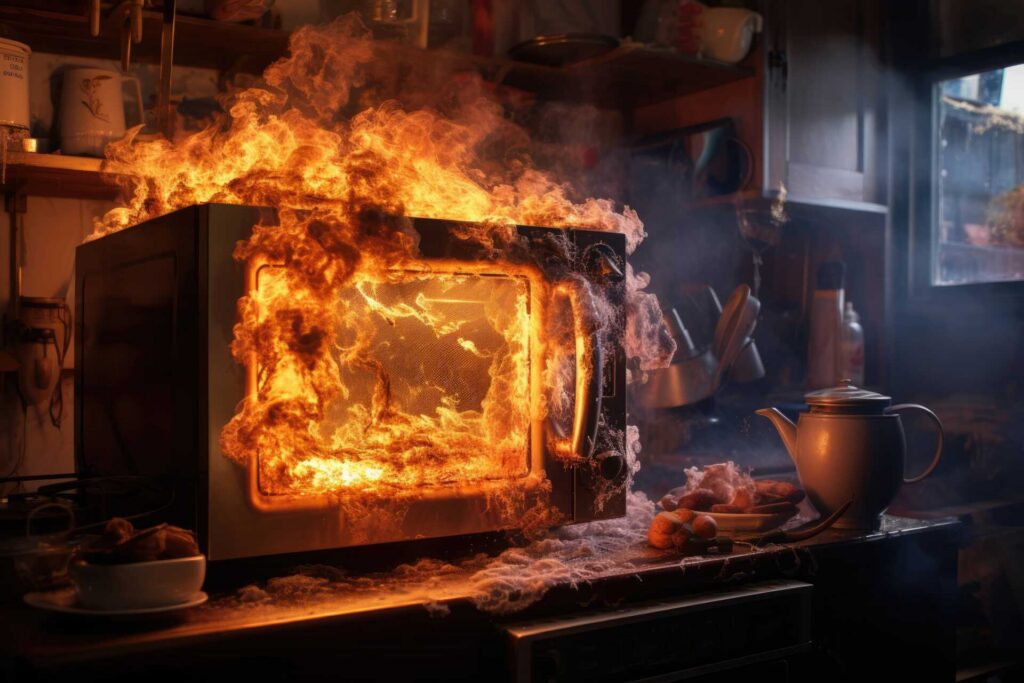
When dealing with smoke damage, understanding the type of smoke and its effects on various materials is vital. You need to act quickly to mitigate further damage. Immediate actions include evacuating the area and documenting the damage for insurance purposes. Different surfaces require specific cleaning techniques and products to effectively neutralize odors and residues. But how do you know when it’s time to call in professionals? Let’s explore the essential steps for effective restoration.
Key Takeaways
- Understand the type of smoke damage to tailor restoration efforts effectively, as wet and dry smoke require different cleaning approaches.
- Prioritize safety by evacuating the area and contacting emergency services immediately after smoke damage occurs.
- Use specific cleaning techniques for various surfaces, ensuring proper methods for hard surfaces, upholstery, and carpets based on their materials.
- Recognize signs for professional intervention, such as persistent odors or visible soot, to avoid health risks and further damage.
- Document all damage with photos and detailed descriptions for insurance claims, ensuring timely and organized communication with your insurer.
Understanding Smoke Damage: Types and Effects
Understanding smoke damage is crucial, especially since it can vary greatly based on the fire’s intensity and the materials that burned.
Smoke composition plays a critical role in determining the damage. For instance, synthetic materials produce corrosive soot, while natural materials create less harmful residues.
You need to assess the types of smoke, like wet or dry, as they influence the restoration timeline. Wet smoke requires more extensive cleaning due to its sticky nature, while dry smoke tends to be easier to remove.
Each type of smoke can affect surfaces differently, so identifying the source is essential.
Immediate Steps to Take After Smoke Damage
Once you’ve identified smoke damage, acting quickly is essential to minimize further deterioration.
Prioritize your personal safety and follow these immediate steps:
Evacuate the Area: Make sure everyone is safe and leave the premises if the smoke is thick or lingering.
Contact Emergency Services: If the smoke is from a fire, don’t hesitate to call emergency contacts for assistance.
Document Damage: Take photos of the affected areas for insurance claims and restoration planning.
Ventilate the Space: Open windows and doors to allow fresh air in, helping to reduce smoke odor and improve air quality.
Cleaning Techniques for Different Surfaces
When tackling smoke damage, it’s essential to employ specific cleaning techniques tailored to each surface type.
For hard surfaces, you’ll need to use a combination of specialized cleaners and physical scrubbing to remove residue.
Upholstery and carpets require distinct approaches, so understanding the right methods for each will guarantee effective restoration.
Hard Surfaces Techniques
Cleaning hard surfaces after smoke damage requires specific techniques tailored to the material. To effectively achieve hard surface cleaning and smoke odor removal, follow these steps:
Non-Porous Surfaces: Use a mixture of warm water and a mild detergent. Scrub with a non-abrasive sponge to lift soot and odors.
Wood Surfaces: Wipe down with a solution of vinegar and water. This helps neutralize odors while cleaning.
Metal Fixtures: Apply a specialized metal cleaner to remove soot. Polish afterward to restore shine.
Glass: Use a glass cleaner mixed with a few drops of dish soap. This helps remove smoke residue without streaks.
Upholstery Cleaning Methods
Upholstery cleaning after smoke damage requires a systematic approach to effectively remove soot and odors.
Start by identifying your upholstery materials—whether it’s fabric, leather, or synthetic—since each requires specific cleaning solutions.
For fabric, use a vacuum with a HEPA filter to lift loose particles. Follow up with a specialized upholstery cleaner, applying it sparingly to avoid over-saturation.
For leather, opt for a gentle pH-balanced cleaner and a soft cloth, guaranteeing you don’t damage the surface.
After cleaning, allow the upholstery to air dry completely to prevent mold growth.
Always test any cleaning solution on a hidden area first.
This methodical approach guarantees your upholstery not only looks good but also feels fresh and inviting.
Carpet Restoration Approaches
While smoke damage can be particularly challenging for carpets, effective restoration hinges on understanding the type of surface you’re dealing with.
Different carpet types require tailored restoration methods to guarantee ideal results. Here are four essential approaches for you to take into account:
Synthetic Fibers: Use hot water extraction to remove smoke particles and odors effectively.
Wool Carpets: Opt for dry cleaning methods to avoid damage while lifting soot.
Berber Carpets: Employ vacuuming with specialized attachments to extract debris without fraying.
Oriental Rugs: Engage a professional cleaner skilled in delicate restoration techniques to preserve the fabric’s integrity.
Choosing the Right Cleaning Products for Smoke Damage
When choosing cleaning products for smoke damage, you’ll need to take into account the types of agents that effectively neutralize odors and remove residues.
Always prioritize safety by selecting non-toxic and environmentally friendly options, as some chemicals can exacerbate health issues.
Evaluating both effectiveness and safety will guarantee a thorough restoration process.
Types of Cleaning Agents
Choosing the right cleaning agents is crucial for effectively addressing smoke damage. The effectiveness of your cleaning products can make a significant difference in restoring your space.
Here are four types to take into account:
Enzymatic Cleaners: These break down smoke residues and odors, guaranteeing thorough cleaning.
Surfactants: They reduce surface tension, helping to lift soot from surfaces effectively.
Oxidizing Agents: Often used for their stain-removing properties, they tackle tough, embedded smoke stains.
Neutralizing Agents: These help to eliminate odors by chemically neutralizing the smoke particles.
Selecting appropriate cleaning agents guarantees not only product effectiveness but also aids in restoring your environment to a safe and welcoming space.
Safety Considerations First
Before diving into smoke damage restoration, it’s essential to prioritize safety by selecting the right cleaning products.
Start with a thorough hazard assessment to identify the type of smoke residue. This helps you choose effective cleaning agents that won’t compromise air quality or pose health risks.
Always use personal protective equipment (PPE), such as gloves and masks, to safeguard yourself from harmful chemicals and particulates.
Implement ventilation strategies to guarantee fresh air circulation, reducing airborne contaminants.
Opt for products specifically designed for smoke damage; they’re formulated to break down residue without damaging surfaces.
Signs You Need Professional Smoke Damage Restoration?
How can you tell if your home needs professional smoke damage restoration? Recognizing the signs early can help protect your health and property. Here are four indicators:
Persistent Smoke Odor: If the smell lingers despite cleaning, it’s a sign that smoke particles remain embedded in materials.
Discoloration on Surfaces: Yellow or brown stains on walls and ceilings indicate smoke damage that requires specialized cleaning.
Health Symptoms: If you or your family experience respiratory issues, headaches, or allergies, smoke residues may pose health risks.
Visible Soot: Finding soot deposits on surfaces or in vents means that deeper cleaning is necessary to prevent further damage.
If you notice these signs, it’s time to call professionals for thorough restoration.
Tips to Prevent Future Smoke Damage
After recognizing the signs of smoke damage, taking proactive steps can greatly reduce the risk of future incidents.
Start with preventive measures like installing smoke detectors in key areas, ensuring they’re functional with regular inspections. Maintain your ventilation systems; clean them routinely to prevent smoke build-up.
Adopt fire safety practices, such as keeping flammable materials away from heat sources and using cooking appliances responsibly. Educate your household on fire risks, fostering safe household habits.
Establish an emergency plan, ensuring everyone knows what to do in case of a fire.
How to Handle Insurance After Smoke Damage
When smoke damage affects your property, maneuvering through the insurance process can feel intimidating.
However, understanding your policy and acting promptly can streamline the claims experience.
Follow these steps to guarantee a smooth documentation process for your insurance claims:
Review Your Policy: Know what’s covered and the claim limits.
Document the Damage: Take clear photos and write detailed descriptions of the affected areas.
Notify Your Insurer: Contact your insurance company as soon as possible to start the claims process.
Keep Records: Maintain all communication and documents, including receipts for repairs and restoration efforts.
Long-Term Effects of Smoke Damage on Property Value
Although it might seem easy to overlook, smoke damage can considerably diminish your property’s value over time. When you undergo a property assessment, the lingering effects of smoke can reveal structural issues and odors that deter potential buyers.
Even after restoration efforts, the market impact remains significant; buyers often perceive properties with a smoke history as less desirable. This perception can lead to lower offers or prolonged time on the market.
Additionally, the costs associated with remediation can escalate, further affecting your property’s resale value. Addressing smoke damage promptly and thoroughly is essential in maintaining your investment.
Frequently Asked Questions
How Long Does Smoke Damage Restoration Typically Take?
Smoke damage restoration typically takes one to several weeks, depending on the severity. A thorough restoration timeline involves smoke remediation, evaluating damage, cleaning, and repairs, ensuring your space returns to its pre-loss condition effectively.
Can I Restore Smoke-Damaged Items Myself?
Yes, you can tackle DIY restoration for smoke-damaged items. Start by thoroughly cleaning surfaces and using specialized products to eliminate smoke odor. However, assess your skills and the item’s value before proceeding with restoration.
What Are Common Health Risks From Smoke Damage?
Smoke damage poses serious health risks, including respiratory issues like asthma and bronchitis, alongside long-term effects such as chronic lung disease and reduced lung function. You should prioritize safety and seek professional help for restoration.
How Can I Tell if Smoke Damage Is Extensive?
You can tell smoke damage is extensive by detecting a persistent smoke odor, observing discoloration on surfaces, and noticing restoration signs like soot buildup. If these are apparent, professional assessment is essential for proper remediation.
Will Smoke Damage Affect My Home’s Resale Value?
Yes, smoke damage can greatly affect your home’s resale value. Buyers often prioritize fresh environments; lingering smoke odor can raise red flags, impacting resale considerations. Addressing this issue beforehand boosts your chances of a successful sale.
Review
In traversing the complexities of smoke damage restoration, you’re not just cleaning; you’re rejuvenating your space. By understanding the nuances of smoke types and employing the right techniques, you can bring your property back to life. Remember, timely action is key don’t let lingering effects cloud your home’s potential. With a proactive approach, you’ll safeguard your investment and guarantee a healthier environment for yourself and your loved ones. Embrace the journey of renewal and reclaim your space.