
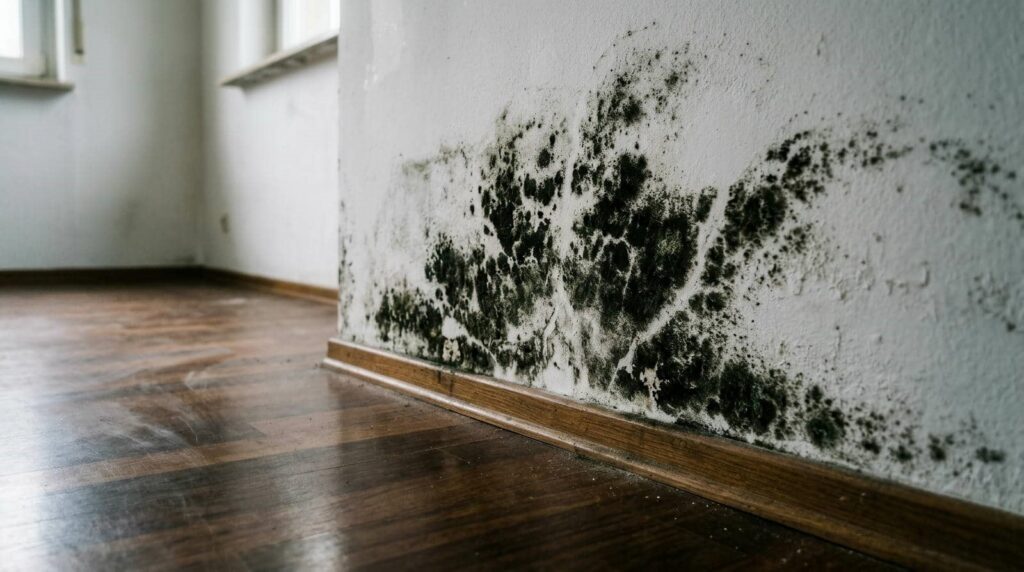
Mold can take over your home faster than you think, turning a minor inconvenience into a serious health hazard. To avoid this, immediate mold prevention action is essential right after flooding. You’ll need to remove standing water and dry your space thoroughly. But it doesn’t stop there—understanding the intricacies of moisture control and ventilation is key. What are the best practices you should implement to ensure your home stays mold-free?
Key Takeaways
- Act quickly to remove standing water and begin drying your home within 24 to 48 hours to prevent mold growth.
- Use dehumidifiers and fans to circulate air and reduce humidity levels, maintaining indoor humidity between 30% and 60%.
- Remove wet materials like carpets and drywall promptly, as they can foster mold growth if not addressed.
- Regularly inspect and monitor areas prone to moisture, using humidity monitors to track levels effectively.
- Choose mold-resistant products and ensure proper ventilation throughout your home to deter future mold issues.
Act Quickly: The Importance of Immediate Action
When flooding occurs, acting quickly is vital to prevent mold growth, as even a few hours of delay can create a conducive environment for spores to thrive.
After experiencing flood damage, you need to assess the situation immediately. Mold spores can settle and start to multiply within 24 to 48 hours, so your response is essential.
Begin by removing any standing water and drying out affected areas thoroughly. Make sure that ventilation is adequate, as stagnant air can exacerbate mold issues.
Don’t forget to check hidden spaces, like behind walls or under carpets, where moisture may linger.
Best Practices for Removing Standing Water
Removing standing water promptly is essential to minimize mold growth and structural damage. Start by evaluating the area and identifying the source of the water.
Use effective pumps, such as submersible or utility pumps, to facilitate standing water removal efficiently. Make sure you have a proper drainage plan in place to direct water away from your home.
If the water is contaminated, consider wearing protective gear to safeguard your health. After pumping out the majority, use wet vacs to tackle residual moisture.
Don’t forget to ventilate the space—open windows and doors to promote airflow. By taking these steps, you’ll protect your home and foster a sense of community, knowing you’re doing what’s necessary for a safe environment.
Effective Techniques for Drying Out Your Home
To effectively dry out your home after a flood, it’s crucial to act quickly and methodically. Start by removing wet materials, like carpets and drywall, to enhance moisture management.
Use fans and dehumidifiers to circulate air and reduce humidity levels. Open windows when possible to promote airflow, but make sure external conditions aren’t adding moisture.
Check for hidden pockets of water, especially in walls and under floors, to maintain structural integrity. Monitor the drying process closely; it may take several days.
Keep a consistent temperature to speed up evaporation. By following these techniques, you’ll protect your home from mold and foster a safe and welcoming space for everyone who enters.
Check Common Hidden Areas for Moisture
While you focus on drying out your home, don’t overlook common hidden areas where moisture can linger.
These hidden spaces, such as behind walls, under cabinets, and in crawl spaces, often serve as moisture traps, creating ideal conditions for mold growth.
Check areas around windows and doors, as well as plumbing fixtures, for signs of dampness.
Don’t forget to inspect your attic and basement, where humidity can accumulate unnoticed.
If you find any moisture, act quickly to dry these areas thoroughly.
Use fans and dehumidifiers to reduce humidity levels, ensuring you tackle these moisture traps before they become a bigger issue.
Staying vigilant now can save you significant problems down the line.
How to Clean and Disinfect After Flooding
After a flood, it’s crucial to clean and disinfect your home thoroughly to prevent mold growth and restore safety.
Start by gathering the right cleaning supplies, including gloves, masks, buckets, and appropriate detergents. Remove any standing water and debris, then dry out affected areas as quickly as possible.
Use disinfecting methods like a bleach solution (1 cup of bleach per gallon of water) to sanitize surfaces. Pay special attention to porous materials like carpets and drywall, which may need replacement.
Maintain proper ventilation while you work, and consider using fans to expedite drying.
Choose Effective Mold-Resistant Products
Choosing effective mold-resistant products is essential for safeguarding your home against future infestations. Start with mold-resistant paints, which contain antimicrobial agents that inhibit mold growth on surfaces. These paints are particularly beneficial in areas prone to moisture, like bathrooms and kitchens.
Next, consider installing moisture barriers in basements and crawl spaces. These barriers prevent water vapor from seeping through walls and floors, reducing the overall humidity level in your home.
When selecting these products, always check for certifications and manufacturer claims to ensure their effectiveness.
By integrating mold-resistant paints and moisture barriers, you’re protecting your home and fostering a healthier living environment for you and your loved ones.
Prioritize these investments to maintain peace of mind.
Improve Air Circulation for Better Ventilation
To effectively combat mold growth, improving air circulation in your home is crucial. Start by implementing smart airflow strategies. Open windows and doors whenever possible to promote cross-ventilation.
If your home has a central HVAC system, make sure that vents are properly placed and unobstructed. This will enhance airflow throughout your space, reducing stagnant areas where mold thrives.
Consider using fans in rooms that tend to stay damp, like bathrooms and basements. Ceiling fans can also help circulate air more evenly.
Additionally, keep your home’s air filters clean to maintain peak airflow. By focusing on effective vent placement and circulation techniques, you’ll greatly lower the risk of mold developing after flooding, creating a healthier environment for you and your family.
Monitor Humidity Levels to Prevent Mold Growth
To prevent mold growth, it’s essential to maintain humidity levels within the ideal range of 30-60%.
You should regularly use humidity monitors to track these levels, especially in areas prone to dampness.
Ideal Humidity Range
Maintaining the ideal humidity range is essential, especially after flooding, as elevated moisture levels create an inviting environment for mold growth. You should aim for humidity control within 30% to 60%.
When you keep humidity in this sweet spot, you’re not just preventing mold; you’re promoting a healthier living space. Mold thrives in higher humidity, so regularly checking your environment can help you achieve these ideal conditions.
Use dehumidifiers or air conditioning to manage moisture levels effectively. Remember, it only takes 24 to 48 hours for mold to start growing in damp conditions, so staying proactive is key.
Use Humidity Monitors
Humidity monitors are vital tools for preventing mold growth in your home, especially after flooding. By keeping track of humidity levels, you can ensure effective humidity control, which is essential for a healthy living environment.
Aim to maintain indoor humidity between 30% and 60%. These devices provide real-time moisture detection, alerting you when levels rise too high, creating an ideal breeding ground for mold.
Regularly check your humidity monitor, especially in areas prone to moisture, like basements and bathrooms. If you notice elevated levels, consider using dehumidifiers or improving ventilation.
When Should You Call in the Experts?
While tackling flood damage on your own might seem manageable, there are specific situations where calling in professionals becomes vital.
If you notice visible mold growth or a musty odor, it’s important to schedule a mold inspection right away. The earlier you act, the better your chances of preventing extensive damage.
Additionally, if the affected area exceeds 10 square feet or if water damage persists despite your efforts, professional remediation is necessary. Experts have the tools and expertise to identify hidden mold sources and ensure thorough removal.
Don’t underestimate the risks; mold can lead to health issues. Trusting professionals helps protect your home and gives you peace of mind during the recovery process.
How Quickly Can Mold Develop After Flooding?
After flooding, mold can start to grow within just 24 to 48 hours if the conditions are right. Understanding the mold growth timeline is vital for homeowners.
Factors like humidity, temperature, and the materials affected by flood damage greatly influence how quickly mold appears. For example, porous materials like drywall and carpet absorb moisture, creating ideal conditions for mold proliferation.
Conversely, hard surfaces may dry faster, reducing the risk. It’s essential to act swiftly; removing standing water and drying out your home can help prevent mold from taking hold.
Frequently Asked Questions
What Materials Are Most Susceptible to Mold Growth After Flooding?
Water-damaged materials like drywall, carpets, and wood are most susceptible to mold growth. To combat this, consider using mold-resistant products during repairs, ensuring a healthier environment and minimizing future risks of mold infestation.
Can I Use Regular Cleaning Products to Prevent Mold?
You can’t rely solely on regular cleaning products to prevent mold. Instead, opt for mold-resistant products and effective cleaning techniques. Investing in the right tools keeps your space safe and fosters a healthier, more welcoming environment.
How Long Should I Wait Before Re-Entering My Home After Flooding?
You should wait at least 24 to 48 hours before re-entering your home after flooding. Conduct a thorough home assessment first to verify flood safety, checking for structural damage and potential hazards like mold growth.
Do Natural Remedies Effectively Prevent Mold Growth?
Natural solutions can help with mold prevention, but they’re often less effective than commercial products. You’ll want to combine methods, ensuring proper ventilation and moisture control to truly minimize mold growth in your home.
What Are the Signs of Hidden Mold Growth?
Hidden mold growth often shows up as musty odors, discoloration on walls, or condensation. You should employ mold detection methods and moisture control strategies to identify and mitigate these issues before they escalate.
Summary
In the wake of flooding, think of your home as a delicate ecosystem that needs swift care. By acting quickly and following best practices, you can effectively shield your space from mold’s invasive grasp. Keep an eye on moisture levels and ensure proper ventilation, as these steps are your best defense. Remember, prevention is like a sturdy dam—build it strong to hold back future threats and protect the integrity of your home for years to come.