
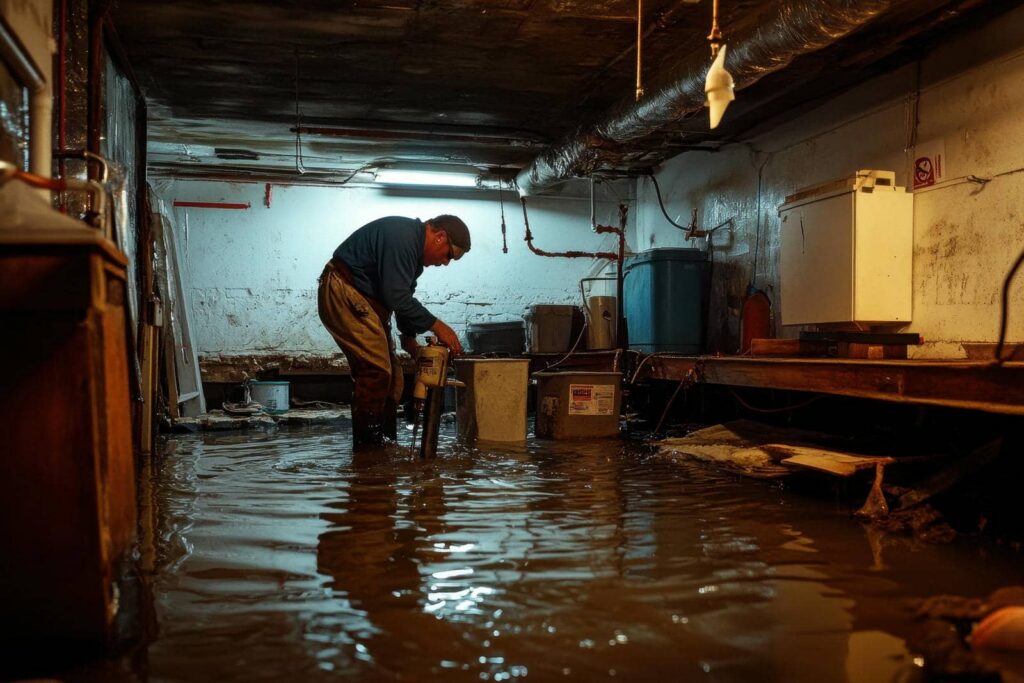
When you face flood damage in your home, the first step is understanding the critical precautions you need to take. Ensuring your safety is paramount, as hidden hazards can pose serious risks. Once you’ve secured your environment, documenting the damage accurately becomes essential for recovery. By categorizing your belongings and evaluating structural integrity, you’ll be better prepared to navigate the complexities of restoration and insurance claims. But where should you begin?
Key Takeaways
- Assess safety hazards first, ensuring the area is free from risks like downed power lines or unstable structures before entering.
- Document flood damage thoroughly with clear photos and detailed notes, capturing multiple angles and timestamps for insurance purposes.
- Evaluate structural integrity by inspecting the foundation, walls, and roof for cracks, water damage, or signs of instability.
- Categorize belongings into salvageable, repairable, and irreparably damaged, documenting their condition for claims and recovery planning.
- Consult professionals for a thorough inspection and guidance on restoration, ensuring hidden issues are addressed, and safety is prioritized.
Safety Precautions Before Evaluating Flood Damage
Before you step into a flood-damaged area, it’s essential to prioritize your safety. Start by evaluating the situation; look for hazards like downed power lines or unstable structures.
Equip yourself with protective gear—sturdy boots, gloves, and a mask can shield you from contaminants. Make sure you have a flashlight and a first aid kit on hand, reinforcing your emergency preparedness.
Always inform someone about your location and your plans. If possible, bring a buddy along; there’s strength in numbers.
Remember, your personal safety is paramount. As you assess the damage, stay alert and trust your instincts. If something feels off, it’s okay to retreat.
You’re not just protecting yourself; you’re also setting a responsible example for your community.
How to Document Flood Damage After a Flood
Documenting flood damage is essential for recovery, whether for insurance claims or future prevention efforts.
Start by taking clear photographic evidence of all affected areas, including walls, floors, and personal belongings. Capture multiple angles to provide a thorough overview.
Make detailed notes alongside your photos, describing the extent of the damage and any specific concerns you have. If possible, include timestamps for when the photos were taken.
This damage documentation will support your claims and help you and your community understand the impact of the flood.
Assessing Your Belongings for Flood Damage
Evaluating your belongings for flood damage is a critical step in the recovery process. Start with a thorough furniture assessment; check for warping, mold, or structural weaknesses.
Next, turn your attention to personal items, as they often hold irreplaceable value. Carefully document each item’s condition.
Categorize belongings into salvageable, repairable, and irreparably damaged.
Take photos to support insurance claims and provide a visual record of losses.
Consult professionals if you’re unsure about the safety or restoration of certain items.
Identifying Structural Damage After a Flood
After a flood, it’s essential to assess your home’s structural integrity to ensure safety.
Start by inspecting the foundation for any cracks or shifts, as these can indicate serious issues.
Next, evaluate the walls and roof for signs of water damage or instability, which could compromise your home’s overall strength.
Inspecting Foundation Stability
When floodwaters recede, the hidden dangers to your home’s foundation often become clearer, revealing potential structural damage that needs urgent attention.
It’s essential to inspect for foundation cracks and signs of soil erosion, as these can compromise your home’s safety.
Look for visible cracks in the foundation walls, which can indicate shifting or settling.
Assess the surrounding soil for erosion; if the ground has washed away, it may no longer support your foundation properly.
Check for any signs of bowing or tilting in the foundation, which can indicate severe structural issues.
Evaluating Wall Integrity
Floodwaters can leave behind a trail of destruction, making it vital to assess your walls for any signs of structural damage. Start by checking for cracks, bulges, or warping, as these can indicate compromised wall stability.
Use a moisture detection tool to identify hidden dampness that could lead to mold or further deterioration. Pay close attention to areas near windows and doors, where water often infiltrates.
Don’t forget to inspect the drywall and insulation; both can absorb moisture and weaken the wall’s integrity. If you notice significant damage, it’s important to consult a professional.
Taking these steps protects your home and helps restore your sense of safety and belonging in your space.
Assessing Roof Condition
As you begin to evaluate your roof’s condition, it’s important to recognize that even minor leaks or damage can lead to significant issues down the line.
Pay close attention to the following signs of trouble:
Shingle damage: Look for missing or cracked shingles that compromise your roof’s integrity.
Water pooling: Check for areas where water accumulates, indicating drainage issues that can cause further damage.
Mold growth: Inspect for any signs of mold, which can thrive in damp conditions and lead to insulation problems.
Addressing these concerns early can prevent costly repairs and ensure your home remains a safe haven.
Explore your repair options and don’t hesitate to reach out for professional help when needed.
Your home deserves it.
How to Check Electrical Systems for Water Damage
Although evaluating electrical systems for water damage can feel intimidating, it’s essential for your safety and the integrity of your home.
Start with a thorough circuit assessment; check each outlet, switch, and the main panel for signs of moisture or corrosion. If you notice any discoloration or rust, it’s likely a sign of water intrusion.
Turn off the power to affected areas before you begin. Carefully inspect wiring for fraying or damage, and look for any unusual smells, which could indicate electrical hazards.
Why You Might Need a Pro to Inspect Flood Damage?
When dealing with flood damage, you might underestimate the extent of the issues lurking beneath the surface.
Professionals bring specialized expertise and advanced inspection techniques that can reveal hidden problems, ensuring nothing is overlooked.
Plus, their knowledge of safety and health concerns will protect you from potential hazards in a compromised environment.
Expertise in Damage Assessment
Floodwaters can wreak havoc on your property, leaving hidden damage that’s not immediately visible. You might think you can handle the assessment yourself, but expert insights can make a significant difference.
Professionals bring a trained eye, ensuring you don’t miss critical issues that could worsen over time.
Structural integrity: Experts can identify weaknesses in your home’s foundation or walls.
Mold risks: They can assess moisture levels, preventing long-term health hazards.
Insurance claims: A detailed damage assessment from a pro can help secure your rightful compensation.
Advanced Inspection Techniques
While you might feel confident about evaluating flood damage, relying on advanced inspection techniques can reveal issues beyond your immediate perception.
Professional inspectors often use thermal imaging to detect hidden moisture and temperature variations in walls and floors. This method uncovers problems that are invisible to the naked eye, ensuring you don’t miss critical damage.
Additionally, moisture mapping provides a detailed overview of where moisture has penetrated, helping to assess the extent of damage accurately.
These techniques enhance your understanding of the situation and help you make informed decisions about repairs.
Safety and Health Concerns
As you navigate the aftermath of a flood, understanding the potential safety and health risks is essential. Water damage can lead to serious concerns that aren’t always visible. That’s why enlisting a professional for an inspection is a wise choice.
Mold Growth: It can develop within 24-48 hours, posing health risks.
Respiratory Issues: Even minor exposure can aggravate allergies or asthma, especially in vulnerable individuals.
Structural Risks: Hidden water can weaken the integrity of your home, leading to hazardous conditions.
A trained expert can identify these threats, ensuring your home is safe and healthy for you and your loved ones.
Don’t overlook the importance of addressing these concerns; your well-being depends on it.
Navigating Insurance Claims for Flood Damage
Maneuvering the complexities of insurance claims for flood damage can feel overwhelming, especially when you’re already dealing with the emotional toll of the disaster. Understanding your insurance coverage is essential, as it sets the stage for the entire claim process.
Start by gathering documentation—photos and receipts—helpful for loss assessment. Be proactive in your adjuster communication; they can clarify policy limitations and support your case. Keep an eye on filing deadlines to avoid complications.
When estimating replacement costs, consider depreciation factors that may affect your payout. Implementing mitigation strategies can also demonstrate your commitment to preventing future issues.
Next Steps After Assessing Flood Damage
Once you’ve assessed the flood damage, it’s crucial to take deliberate steps to stabilize your situation and begin recovery. Start by documenting all damage, as this will aid in any insurance claims and restoration efforts.
Next, explore your recovery strategies to determine the most efficient path forward.
- Consider temporary housing options if your home is uninhabitable.
- Reach out to local resources for financial or emotional support; community connections can be invaluable.
- Research restoration options that fit your budget and timeline, ensuring you prioritize safety and long-term solutions.
Understanding Flood Damage Types in Homes
Flood damage can manifest in various ways, each presenting unique challenges to homeowners. You might encounter structural damage, like weakened walls or floors, which can compromise your home’s safety.
Then there’s the issue of mold growth, a persistent problem that can affect your family’s health. Additionally, personal belongings may be irreparably harmed, leading to emotional distress.
It’s crucial to understand how different types of flood damage affect your insurance coverage, as not all policies cover every scenario. By identifying these issues early, you can better navigate the repair process and ensure you receive the support you need.
Frequently Asked Questions
Can I Live in My Home During the Evaluation Process?
You shouldn’t stay in your home during the evaluation. Safety considerations are essential; damage may compromise your environment. Consider temporary housing until experts assess the situation to ensure you and your loved ones remain safe.
How Long Does It Take to Assess Flood Damage?
Evaluating flood damage usually takes a few hours to a couple of days, depending on the extent. You’ll want to gather information for insurance claims, ensuring you’re thorough to secure your rightful compensation.
What Tools Do I Need for Evaluating Flood Damage?
You’ll need flood assessment tools like moisture meters, infrared cameras, and a damage evaluation checklist. These instruments help you identify hidden issues, ensuring you address all affected areas and safeguard your home’s integrity and safety.
Should I Contact Neighbors About Their Flood Damage Experiences?
Yes, you should contact neighbors about their flood damage experiences. Sharing resources fosters community support, helping you gain insights and strategies while also strengthening bonds. This connection can make recovery feel less isolating and more collective.
What Are Common Hidden Damages to Look For?
As you sift through the damp remnants, look for mold growth hidden beneath carpets and in corners. Check the walls and beams; even minor cracks can threaten your home’s structural integrity, risking safety and comfort.
Final Thoughts
As you navigate the aftermath of flood damage, remember that some small businesses never reopen after a disaster like this. Taking the time to evaluate and document the damage thoroughly can greatly impact your recovery. By understanding the extent of the destruction and consulting professionals, you’re not just protecting your property; you’re safeguarding your future. Prioritize safety and recovery, and don’t hesitate to lean on experts as you move forward in this challenging process.