
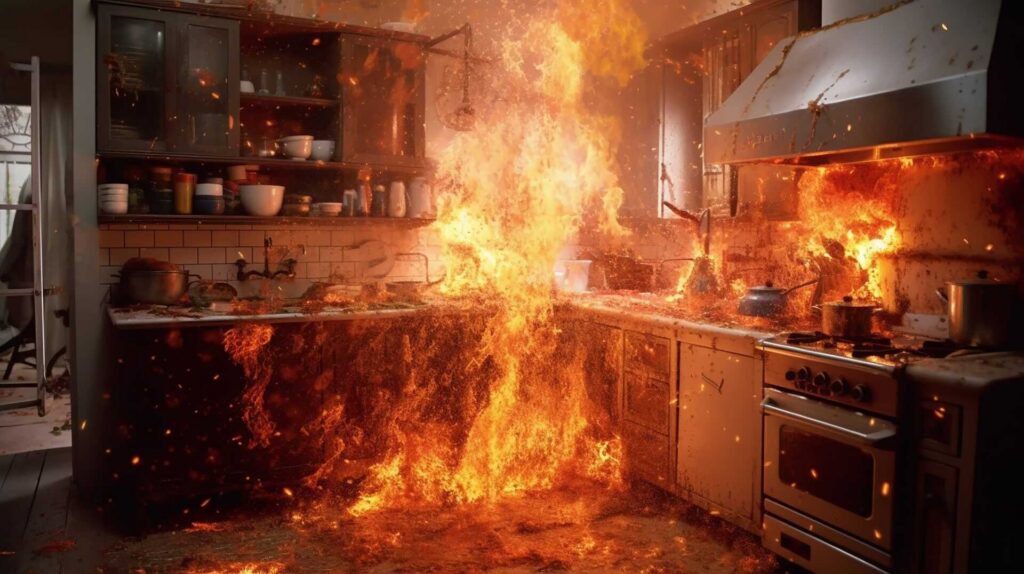
It’s a coincidence that many homeowners underestimate the impact of fire damage cleanup until it affects their lives directly. Once it does, understanding the right techniques for cleanup becomes vital. You need to assess the type of fire damage, prioritize your safety, and gather essential tools. Each step you take can greatly influence the restoration process. What might seem manageable can quickly escalate, leaving you with lingering issues and uncertainty.
Key Takeaways
- Assess the type of fire damage to determine the appropriate cleanup methods and safety precautions needed.
- Wear protective gear and inspect for structural integrity and hazardous materials before starting cleanup.
- Utilize heavy-duty trash bags, a shop vacuum, and a power washer for efficient debris and soot removal.
- Ventilate the area and clean surfaces with water and mild detergent, focusing on soot-stained areas.
- Call professionals for extensive damage, safety risks, or assistance with insurance claims to ensure proper recovery.
Types of Fire Damage to Consider for Cleanup
When you face the aftermath of a fire, understanding the types of damage is essential for effective cleanup. Different fire types—like electrical, grease, or wildfires—cause unique damage patterns.
For instance, electrical fires often leave behind soot and charred materials, while grease fires can create sticky residue that’s difficult to remove. A thorough damage assessment will help you identify affected areas, from structural integrity to smoke damage on walls and ceilings.
You’ll also need to take into account water damage from firefighting efforts, which can lead to mold and further complications. Recognizing these nuances not only aids in proper cleanup but also fosters a sense of community support as you navigate this challenging process together with others who understand your situation.
How to Assess Safety Risks Before You Start Cleanup?
Before starting any cleanup, you must assess the safety risks present in the aftermath of a fire. Take a moment to identify potential fire hazards that could endanger you or others.
It’s essential to prioritize your safety before diving into the cleanup process. Here are key considerations:
- Inspect for structural damage: Check for weakened walls or ceilings that could collapse.
- Identify hazardous materials: Look for chemicals, appliances, or debris that may pose risks.
- Use personal protective equipment: Confirm you’re wearing gloves, masks, and goggles to shield against smoke and toxins.
Essential Tools for Fire Damage Cleanup
Having the right tools at your disposal is vital for effective fire damage cleanup. Begin by gathering high-quality cleanup equipment like heavy-duty trash bags, a shop vacuum, and a power washer. These tools help you remove debris and soot efficiently.
Don’t forget protective gear; wearing gloves, masks, and goggles is important to shield yourself from harmful particles and chemicals. Make sure you have a sturdy ladder if you need to access higher areas. A fire extinguisher should always be on hand in case of any flare-ups.
Using the right tools not only streamlines the process but also guarantees your safety. Remember, you’re not alone in this; seeking help from professionals can provide additional support and expertise.
Step-by-Step Smoke Damage Cleanup
Smoke damage cleanup is a critical step in restoring your space after a fire. Start by evaluating the damage and gathering your cleaning supplies. It’s essential to tackle smoke odor removal and soot stain removal effectively.
Follow these steps:
- Ventilate the Area: Open windows and doors to let fresh air circulate, helping to dissipate lingering odors.
- Clean Surfaces: Use a mixture of water and a mild detergent to wipe down walls and furniture, focusing on soot-stained areas.
- Deodorize: Utilize odor-absorbing materials like baking soda or activated charcoal to eliminate smoke smells.
Taking these steps helps you reclaim your home, ensuring it feels welcoming and safe again.
How to Effectively Remove Soot and Ash
After addressing smoke damage, the next step is tackling soot and ash removal, which can be particularly challenging but is essential for restoring your space.
Begin by wearing protective gear like gloves and a mask to safeguard yourself from harmful particles.
For effective soot removal, use a vacuum with a HEPA filter to capture fine particles. Avoid rubbing surfaces, as this can push soot deeper. Instead, gently dab with a cloth dampened in a mixture of water and mild detergent.
For ash disposal, collect it in a sealed container to prevent it from becoming airborne.
Dealing With Water Damage From Firefighting Efforts
While firefighting efforts are essential for saving lives and property, they often leave behind significant water damage that can complicate recovery.
To effectively address this, follow these key steps:
- Water Extraction: Quickly remove standing water using pumps and wet vacuums to prevent further damage.
- Moisture Control: Use dehumidifiers and fans to reduce humidity levels, helping to prevent mold growth.
- Inspect and Dry: Check for hidden moisture in walls and floors, ensuring everything is thoroughly dried.
When to Call Professionals for Fire Damage Restoration?
When evaluating fire damage, it’s essential to recognize when professional help is necessary.
If the damage is extensive or poses safety risks, don’t hesitate to call in experts; they’ve the training and equipment to handle hazardous situations.
Additionally, professionals can assist with managing insurance claims, ensuring you receive the support you need during this challenging time.
Severity Of Damage
Determining the severity of fire damage is essential in deciding whether to call in professionals for restoration.
Conducting a thorough damage assessment helps you identify the extent of the destruction and establish cleanup priorities. If you notice any of the following, it’s time to reach out for expert help:
- Structural Damage: If walls, ceilings, or floors are compromised, safety is at risk.
- Smoke Damage: Persistent odors and soot can cause long-term health issues if not addressed properly.
- Water Damage: Firefighting efforts often lead to water damage, creating a breeding ground for mold.
Recognizing these signs early on can make a significant difference in your home’s recovery.
Don’t hesitate to seek professional assistance when needed.
Safety Concerns First
After evaluating the severity of the fire damage, it’s important to prioritize safety before proceeding with cleanup efforts.
If you notice structural damage, hazardous materials, or lingering smoke, it’s imperative to call professionals. They’re trained in fire safety and can assess risks you might overlook.
Wear personal protection gear gloves, masks, and goggles if you decide to start cleaning. Avoiding exposure to soot or toxic substances is crucial for your health.
If the fire has compromised your home’s integrity or electrical systems, don’t take chances; reach out to restoration experts. Your safety and well-being come first, and having the right support can make all the difference as you navigate this challenging time.
Insurance Claim Assistance
How can you effectively navigate the complexities of filing an insurance claim after fire damage? Understanding the claim process is essential, and knowing when to call professionals can alleviate stress.
Here are some documentation tips to help you along the way:
- Take detailed photos****: Capture the extent of the damage immediately after the incident.
- Keep receipts: Document all expenses related to cleanup and temporary housing.
- Consult your policy: Familiarize yourself with your coverage limits and requirements.
If you feel overwhelmed, don’t hesitate to seek professional assistance. They can guide you through the intricacies of the claim process, ensuring you maximize your settlement.
Frequently Asked Questions
How Can I Prevent Future Fire Damage in My Home?
To prevent future fire damage, prioritize fire safety by conducting regular home inspections. Check smoke detectors, inspect wiring, and guarantee proper storage of flammable materials. Your proactive measures can protect your loved ones and home.
What Insurance Coverage Is Needed for Fire Damage?
You need extensive fire insurance with adequate coverage limits to guarantee your home’s protection. Review your policy’s details, including replacement costs, and discuss options with your agent to feel secure and supported in your choices.
Are There Health Risks Related to Smoke Inhalation After a Fire?
Yes, smoke inhalation poses serious health risks, including respiratory effects from smoke toxicity. You should seek medical attention if you experience symptoms like coughing or shortness of breath, as these can indicate more severe complications.
How Long Does Fire Damage Cleanup Typically Take?
Fire damage cleanup typically takes several days to weeks, depending on the extent of the damage. You’ll navigate the cleanup process through a structured fire damage timeline, ensuring both safety and thorough restoration for your home.
Can I Salvage Personal Items After a Fire?
Yes, you can salvage personal items after a fire using effective salvage techniques. Consider professional restoration options to clean and restore cherished belongings, ensuring you preserve memories while prioritizing safety and thorough assessment of damage.
To Sum Up
In the aftermath of fire damage, it’s vital to act swiftly and methodically. Just like a knight arming for battle, you need the right tools and strategies to reclaim your home. By prioritizing safety and following these essential techniques, you can effectively restore your space. Remember, if the task feels overwhelming, don’t hesitate to call in the professionals. They have the expertise to guarantee a thorough recovery, letting you focus on rebuilding your life.