
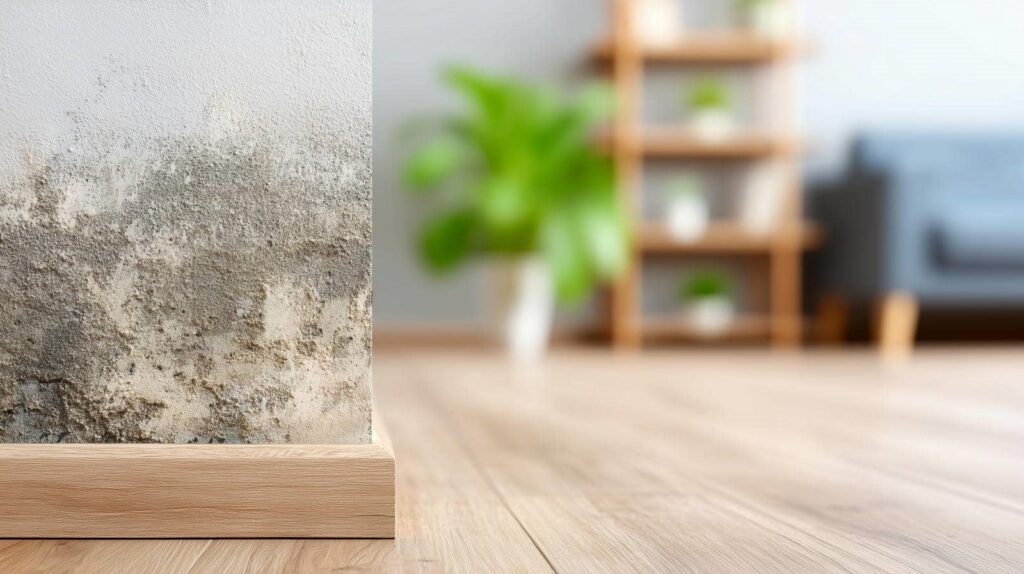
After flooding, quick moisture control is essential to prevent mold growth in your home. You’ll need to act fast to assess and remove excess moisture, as lingering dampness can lead to serious health issues. Understanding effective mold prevention cleaning techniques and identifying hidden mold can save you from costly repairs down the line. But what are the best strategies to keep your home safe long-term? Let’s explore the top five tips to safeguard your space.
Key Takeaways
- Act Quickly: Start drying out affected areas within 24-48 hours using dehumidifiers and fans to prevent mold growth.
- Remove Soaked Materials: Discard soaked carpets, padding, and other porous materials that can harbor mold.
- Clean and Disinfect: Use EPA-approved mold removal products to disinfect surfaces and eliminate spores effectively.
- Ensure Proper Ventilation: Open windows and use exhaust fans to promote airflow and reduce humidity levels indoors.
- Monitor Humidity: Utilize hygrometers to keep humidity below 60% and regularly check for signs of hidden mold.
Why Quick Moisture Control Is Essential
When moisture accumulates in your home, it creates a perfect environment for mold growth, making quick moisture control crucial. High humidity levels can lead to serious health issues and damage your property.
To prevent mold, you need to act swiftly by employing effective drying methods. Start by using dehumidifiers and fans to reduce humidity levels, especially in damp areas like basements and bathrooms.
Ensure proper ventilation by opening windows or using exhaust fans. Inspect areas prone to moisture, like under sinks or around windows, and address leaks immediately.
How to Assess and Remove Moisture Fast
To effectively assess and remove moisture quickly, start by identifying problem areas in your home. Use moisture detection tools like hygrometers to pinpoint high humidity spots.
After locating the source, implement drying techniques to expedite the process. Here are some quick steps to follow:
- Inspect basements, crawl spaces, and attics for dampness.
- Use fans and dehumidifiers to circulate air and reduce moisture.
- Open windows to promote ventilation when weather permits.
- Remove soaked carpets and padding to prevent further damage.
- Check and repair leaks in plumbing or roofing to eliminate ongoing moisture sources.
Effective Cleaning and Disinfecting Techniques
Cleaning and disinfecting surfaces effectively is essential in preventing mold growth and maintaining a healthy environment. Start by using appropriate cleaning agents specifically designed for mold and mildew removal. Verify you wear protective gear, including gloves and masks, to keep yourself safe.
For hard surfaces, scrub with a mixture of water and a suitable cleaning agent, then rinse thoroughly. When disinfecting surfaces, choose EPA-approved products, as these are proven to eliminate mold spores.
Pay special attention to areas prone to moisture, like bathrooms and kitchens. After cleaning, dry surfaces completely to inhibit mold development.
Regularly repeat this process to uphold a mold-free home and foster a safe space for you and your loved ones.
How to Identify Hidden Mold in Your Home?
How can you spot hidden mold lurking in your home? Identifying mold growth indicators early is essential for prevention. Use these moisture detection methods to help you uncover potential issues:
- Visual inspection: Check for dark spots or discoloration on walls and ceilings.
- Odor check: Notice any musty smells that signal hidden mold.
- Surface temperature: Use a thermometer to identify cold spots where moisture may collect.
- Humidity levels: Keep a hygrometer handy; mold thrives in humidity above 60%.
- Water stains: Look for unexplained stains on ceilings, walls, or floors.
Long-Term Strategies for Moisture Management
After identifying potential mold growth, managing moisture levels becomes essential for long-term prevention.
Start by investing in effective ventilation systems to circulate air and reduce humidity. Proper insulation materials can also help maintain indoor temperature and minimize condensation.
Implementing drainage solutions around your property will direct water away from foundations, preventing moisture accumulation. Additionally, using humidity monitors allows you to keep track of moisture levels in real-time, ensuring they remain within a safe range.
Regularly check and maintain these systems to foster a mold-free environment.
Frequently Asked Questions
How Long Can Mold Begin to Grow After Flooding?
Mold can start to grow within 24 to 48 hours after flooding, depending on flood water effects and environmental conditions. Understanding this mold growth timeline helps you take timely action to mitigate potential damage.
Are There Specific Materials More Prone to Mold Growth?
Certain materials, like wood and drywall, are more prone to mold growth, especially when moisture control isn’t prioritized. Using mold-resistant materials can greatly reduce risks, as mold can develop within 24 to 48 hours.
What Are the Health Effects of Mold Exposure?
Mold exposure can lead to various health effects, including mold symptoms like allergic reactions and respiratory issues. Long-term effects may develop, impacting your overall well-being, so it’s essential to address mold problems promptly.
Should I Hire a Professional for Mold Assessment?
Yes, hiring a professional for mold assessment can save you time and ensure thoroughness. While DIY assessment tips exist, a professional’s expertise offers significant mold inspection benefits that you shouldn’t overlook if you want peace of mind.
Can I Prevent Mold Without Using Chemical Treatments?
Yes, you can prevent mold without chemical treatments. Focus on moisture control by using natural alternatives like vinegar or baking soda. Regularly ventilate your space and keep humidity levels low to create an inhospitable environment for mold.
Conclusion
In the whirlwind of post-flood recovery, swift moisture control is your best ally. Imagine sunlight streaming through open windows, air swirling with fresh possibilities, as you remove soaked materials and banish humidity with dehumidifiers. You’ll be armed with knowledge, cleaning surfaces, and monitoring humidity like a vigilant guardian. By staying proactive and attentive, you protect your home and foster a healthier environment, ensuring that mold remains an unwelcome guest in your dwelling.