
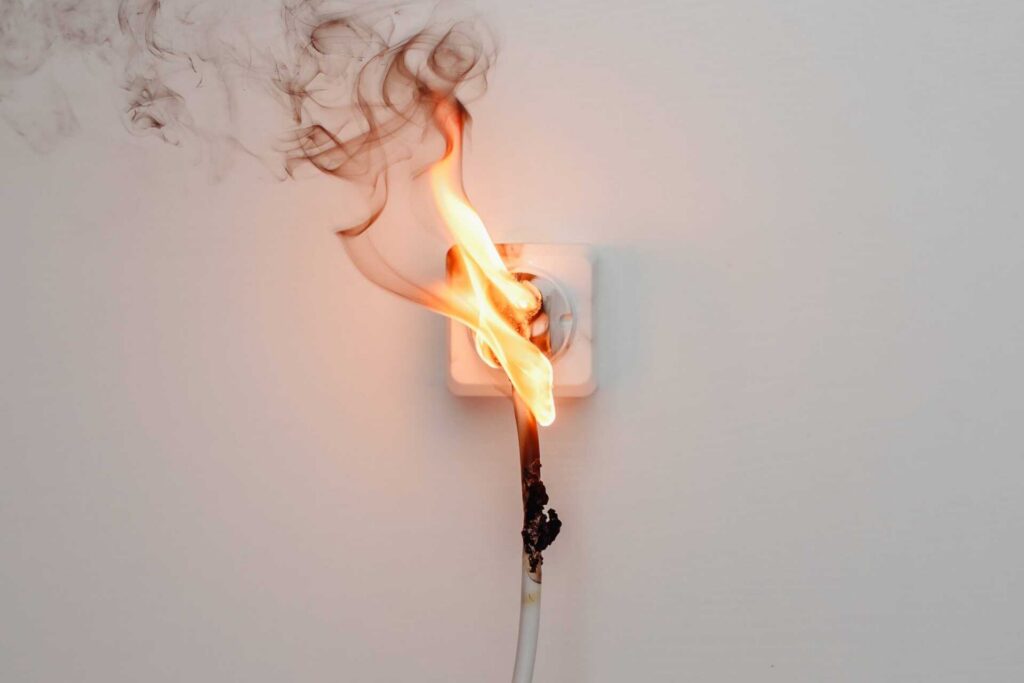
When a fire strikes, the aftermath can feel overwhelming. You need to prioritize your safety before tackling the cleanup. Evaluating the damage accurately is vital for effective recovery. Understanding the right techniques for debris removal and smoke cleanup can make a significant difference. It’s important to know when to rely on professional help. As you navigate this challenging process, let’s explore the key techniques that can aid your recovery and restore your home effectively.
Key Takeaways
- Prioritize safety by wearing protective gear and assessing structural integrity before starting the cleanup process.
- Conduct a thorough fire damage assessment, documenting affected areas for insurance claims.
- Remove debris methodically, sorting salvageable items while ensuring proper ventilation and using HEPA filters for soot cleanup.
- Implement odor removal techniques, including deep cleaning, air purifiers, and natural deodorizing solutions to eliminate persistent smells.
- Seek professional help when facing extensive damage, persistent odors, or overwhelming cleanup tasks to ensure thorough restoration.
Safety First: Protecting Yourself During Cleanup
When you begin the fire damage cleanup process, it’s essential to prioritize your safety. Equip yourself with personal protective cleanup gear like masks, gloves, and goggles to shield against fire hazards.
Before diving in, verify you’re mentally prepared; a clear mind helps you follow safety protocols effectively. Assess the structural integrity of your environment—if it’s compromised, seek professional help.
Pay attention to air quality, as soot and smoke can pose serious health risks. Don’t hesitate to seek emotional support; maneuvering through this process can be overwhelming.
How to Quickly Assess Fire Damage?
When evaluating fire damage, start with a thorough visual inspection checklist to identify visible destruction.
Next, use your sense of smell to detect any lingering odors that indicate hidden damage.
Finally, pinpoint the materials affected, as this will guide your cleanup efforts effectively.
Visual Inspection Checklist
A thorough visual inspection is essential for evaluating fire damage effectively. Start by identifying visual cues like charred walls, discolored ceilings, or damaged furniture.
Use inspection tips such as checking for soot deposits, which indicate the extent of the fire’s reach. Look for warped surfaces, broken windows, or melted materials; these signs reveal critical structural issues.
Don’t forget to assess the attic and crawl spaces, as fire can travel unnoticed in these areas. Document your findings with photos and notes to help with insurance claims.
Engaging in this methodical approach not only aids in recovery but also fosters a sense of community support as you navigate the aftermath together with professionals and loved ones.
Smell For Residual Odors
While inspecting fire damage, detecting residual odors is essential for evaluating the extent of the harm. Start by performing smoke detection in each room; lingering smells often indicate hidden damage.
Pay close attention to areas near the source of the fire, as these spaces may hold stronger odors.
Once you’ve identified the odors, consider odor neutralization techniques. Use commercial-grade deodorizers or natural options like vinegar and baking soda to combat the smells.
Ventilation is also key; open windows and use fans to circulate air.
Identify Affected Materials
Residual odors can often indicate the presence of damaged materials that require attention. Start your damage evaluation by systematically identifying affected materials.
Look for charred wood, warped drywall, and discolored surfaces—these are signs of fire exposure. Pay close attention to textiles like carpets and upholstery, as they may retain smoke odors even if they appear intact.
Use a flashlight to check hidden areas, such as behind appliances, where damage mightn’t be immediately visible.
Document your findings to help professionals during cleanup and restoration. Remember, thorough material identification can greatly influence the effectiveness of your recovery efforts.
Effective Debris Removal Techniques
Effective debris removal is essential in restoring a fire-damaged space. You’ll want to approach this task methodically to guarantee safety and efficiency.
Start by:
Debris Sorting: Separate salvageable items from completely damaged ones to streamline your cleanup process.
Safety Gear: Wear gloves, masks, and goggles to protect yourself from hazardous materials.
Use Proper Tools: Equip yourself with shovels, brooms, and heavy-duty trash bags for effective debris disposal.
Local Regulations: Familiarize yourself with local disposal guidelines to ensure you’re disposing of waste responsibly.
Best Practices for Smoke and Soot Cleanup
When tackling smoke and soot cleanup, prioritizing safety is essential.
You’ll need effective cleaning techniques tailored to different surfaces, along with strategies for odor removal to restore your space.
Let’s explore these best practices to guarantee a thorough and safe cleanup process.
Essential Safety Precautions
Cleaning up smoke and soot after a fire demands careful attention to safety precautions.
Prioritizing fire safety guarantees you protect yourself and your home during the cleanup process.
Here’s a quick guide to essential safety measures:
Wear Protective Gear: Use gloves, masks, and goggles to shield yourself from harmful particles.
Ventilate the Area: Open windows and doors to disperse smoke and reduce inhalation risks.
Use Proper Cleanup Equipment: Invest in high-efficiency particulate air (HEPA) filters and specialized vacuums to capture soot effectively.
Avoid Electrical Hazards: Confirm the power is turned off before entering the area, as wet materials can pose shock risks.
Effective Cleaning Techniques
Tackle smoke and soot cleanup with a systematic approach to restore your space efficiently.
Start by gathering the right cleaning supplies: a vacuum with a HEPA filter, soft brushes, and specialized soot sponges.
Begin at the top, working your way down to prevent re-soiling cleaned areas. Use dry cleaning methods for walls and ceilings, as wet methods can spread soot.
For surfaces, employ restoration methods like damp wiping with a mixture of water and mild detergent, ensuring you rinse frequently.
Pay close attention to corners and crevices, where soot can linger.
Remember, patience is key.
Odor Removal Strategies
After effectively addressing smoke and soot residues, the lingering odors can pose a significant challenge. To reclaim your space, consider these odor removal strategies:
Deep Clean Surfaces: Thoroughly clean walls, ceilings, and floors with appropriate cleaners to eliminate trapped odors.
Air Purification: Use high-efficiency particulate air (HEPA) filters in air purifiers to capture smoke particles and improve air quality.
Scent Masking: Utilize odor-neutralizing sprays or natural solutions like vinegar and baking soda to mask persistent smells.
Ventilation: Open windows and use fans to circulate fresh air, helping dissipate odors more effectively.
Essential Steps for Managing Water Damage After a Fire
Once a fire has been contained, the resulting water damage can pose significant challenges that require immediate attention.
Start by evaluating the affected areas; remove standing water promptly using pumps or wet vacuums. Effective moisture control is essential to prevent mold growth.
Dry out spaces with fans and dehumidifiers, ensuring air circulation. Salvage what you can—furniture restoration is often possible if tackled swiftly.
Clean and disinfect surfaces to eliminate contaminants and odors. Document any damage for insurance claims, capturing photos and notes.
Finally, don’t hesitate to reach out to professionals for assistance; their expertise can make a substantial difference in restoring your home.
Taking these steps not only protects your property but also helps you reclaim your living space.
Odor Elimination Strategies for Fire-Damaged Homes
Although the aftermath of a fire can feel overwhelming, effectively eliminating lingering odors is crucial for restoring your home. Here are some strategies to help you tackle those stubborn smells:
Charcoal Filters: Place these in affected areas to absorb odors naturally.
Ozone Generators: Use cautiously; they can neutralize odors effectively, but verify the area is unoccupied.
Vinegar Solutions: Mix vinegar with water and spray it around to neutralize smoke odors.
Air Scrubbers: Employ these devices to filter out particulates and odors from the air.
For persistent smells, consider thermal fogging, enzyme cleaners, or specialized odor neutralizers.
These deodorization techniques can greatly enhance your home’s atmosphere, helping you reclaim your space.
When to Get Professional Help
When facing the aftermath of a fire, knowing when to seek professional help can make a significant difference in your recovery process.
You should consider calling for assistance if you notice extensive structural damage, persistent odors, or signs of mold growth.
Additionally, if soot and smoke have penetrated deep into your walls or belongings, it’s a clear sign you need expert help.
Don’t underestimate the risks of improper cleanup; harmful residues can linger and affect your health.
When in doubt, trust your instincts if the task feels overwhelming, reach out to professionals.
Their expertise can’t only restore your home but also provide you with peace of mind during this challenging time.
Frequently Asked Questions
What Should I Do With My Pets After a Fire?
After a fire, prioritize your pets’ safety by ensuring they’re in a secure, quiet space. Provide emotional support through gentle interaction, as they need reassurance. Consult a vet for any health concerns following the incident.
How Can I Prevent Mold After Water Damage?
To prevent mold after water damage, dry your space thoroughly within 24-48 hours. Use dehumidifiers, fans, and ventilation. Regularly check for moisture and act quickly to address leaks or damp areas. Your home deserves it.
Will My Homeowner’s Insurance Cover Fire Damage Cleanup?
Yes, most homeowner’s insurance policies cover fire damage restoration, but about 30% of claims get denied. To guarantee yours isn’t, carefully document the damage and submit your insurance claim promptly. You’re not alone in this process.
Can I Salvage My Furniture After a Fire?
Yes, you can salvage your furniture after a fire. Focus on professional furniture restoration to eliminate smoke odor and repair damage. With care and expertise, your cherished pieces can regain their former beauty and functionality.
What Are the Long-Term Effects of Smoke Exposure?
Smoke exposure can lead to serious respiratory health risks, including chronic cough, reduced lung function, and increased susceptibility to infections. You should monitor your health closely and consult a professional if you experience persistent symptoms.
Final Thoughts
In the aftermath of fire damage, your safety and well-being are paramount. By following these cleanup techniques, you’re not just restoring your home; you’re reclaiming your peace of mind. Ironically, as you tackle each step, you might find a sense of closure, turning a traumatic experience into an opportunity for renewal. Remember, knowing when to seek professional help can save you time and stress, ensuring your home becomes a safe haven once again.