
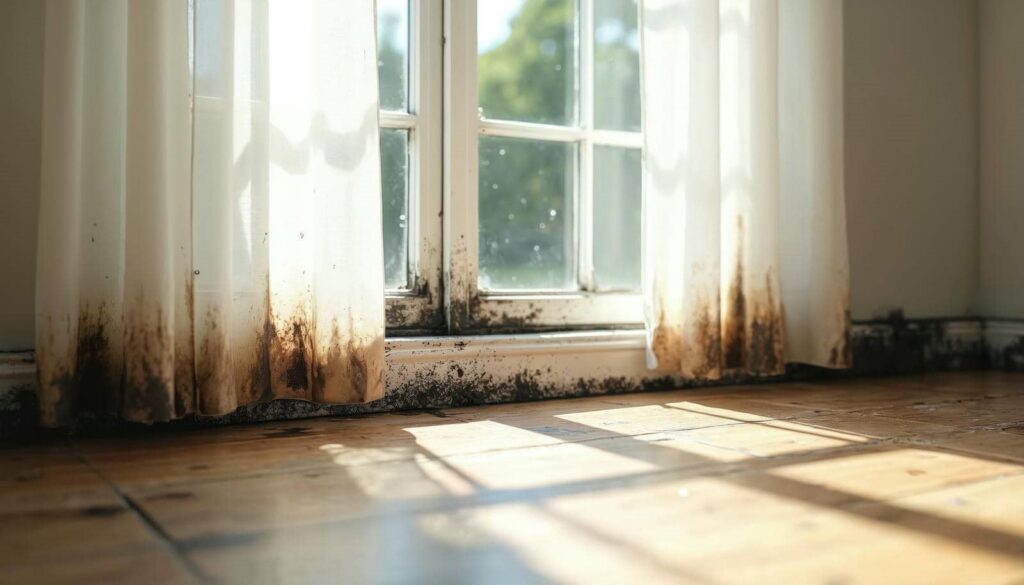
Like a silent intruder, mold can take hold within days of water damage, threatening your home and health. To effectively combat this risk, you need to understand the dynamics of mold growth and implement strategic mold control prevention measures. From inspecting moisture-prone areas to maintaining ideal humidity levels, each step is critical. What might seem like minor actions can make a significant difference in safeguarding your living environment. So, where should you begin?
Key Takeaways
- Mold can grow within 24 to 48 hours after water damage, so prompt action is crucial for prevention.
- Use mold-inhibiting cleaning agents and ensure thorough drying of all affected areas.
- Regularly inspect mold-prone areas like attics, bathrooms, and basements to catch early signs of moisture.
- Maintain indoor humidity below 60% with dehumidifiers and ensure proper ventilation throughout the home.
- Educate household members on mold risks and best practices for ongoing prevention and maintenance.
How Mold Grows After Water Damage
When water damage occurs, mold can begin to thrive within 24 to 48 hours if conditions are right. Understanding the mold life cycle is vital for effective prevention.
Mold spores, which are present in the air, require moisture retention to germinate and grow. Once humidity levels rise due to water intrusion, these spores can quickly develop into mold colonies.
The life cycle includes germination, growth, and reproduction, making rapid intervention essential. If you don’t address moisture retention promptly, you risk creating a breeding ground for mold.
Essential Cleaning Techniques for Mold Prevention
To effectively prevent mold growth, you need to implement essential cleaning techniques that target moisture and spores.
Start with regular inspections in areas prone to dampness. Use cleaning agents that contain mold inhibitors to treat surfaces, and consider applying surface treatments that enhance mold resistance.
Ventilation tips, such as using exhaust fans and opening windows, help reduce humidity levels. Additionally, incorporate humidity monitoring to keep moisture in check, aiming for levels below 60%.
Employ effective drying techniques after any water exposure—this will diminish mold’s opportunity to thrive.
Finally, use mold-resistant materials in vulnerable areas, ensuring your space remains a healthy environment.
Inspecting Your Space for Mold-Prone Areas
To effectively control mold, you need to identify areas in your space that are prone to growth.
Focus on common locations and sources of moisture, as these are critical to your inspection.
Employ visual inspection techniques to pinpoint potential issues before they escalate.
Common Mold Locations
Mold can thrive in various hidden corners of your home, making it essential to know where to look. Start by inspecting attic spaces, where poor ventilation can foster growth.
Don’t overlook bathroom corners and shower curtains, often damp and warm.
Basement walls are also prime targets, particularly if moisture accumulates.
Check crawl spaces, as they can trap humidity, creating a mold-friendly environment.
Kitchen cabinets, especially under sinks, can harbor mold due to leaks or spills.
Finally, examine window frames and behind appliances, where condensation can lead to mold development.
Regularly checking these areas helps you maintain a healthier home and fosters a sense of belonging in your living space.
Stay vigilant, and you’ll keep mold at bay.
Moisture Sources Identification
Identifying moisture sources is essential for preventing mold growth in your home. Start by examining damp environments, as they often harbor mold-prone areas.
Check for hidden leaks in plumbing and fixtures, which can create persistent moisture. Look for condensation sources, especially around windows and HVAC units, where humidity tends to accumulate.
Consider the building materials in your home; materials like drywall and wood can absorb excess moisture, promoting mold growth.
Regularly inspect areas like basements, attics, and bathrooms, as these are common spots for plumbing issues and dampness.
Visual Inspection Techniques
A thorough visual inspection is key to spotting mold-prone areas in your home. Start with a visual checklist that includes high-humidity zones like bathrooms, kitchens, and basements.
Use inspection tools like flashlights to illuminate dark corners and moisture meters to detect hidden dampness. Check behind appliances and under sinks, where leaks often occur unnoticed.
Pay attention to ceiling corners and window frames, as condensation can lead to mold growth. Don’t forget to inspect your attic and crawl spaces, where ventilation issues can create ideal conditions for mold.
How Air Circulation Affects Mold Prevention
While maintaining proper air circulation might seem like a minor detail, it plays an essential role in mold prevention. Effective airflow dynamics help reduce humidity levels, making it difficult for mold spores to thrive.
To optimize air circulation, consider implementing strategic ventilation strategies, like using fans or opening windows. These methods encourage consistent airflow throughout your space, displacing stagnant air that can foster mold growth.
Additionally, ensure that vents and ducts are unobstructed to enhance the movement of air. By prioritizing air circulation, you create an environment that discourages mold, fostering a healthier living space for you and your loved ones.
What to Look for in a Dehumidifier
When choosing a dehumidifier, you need to take into account both size and capacity to ensure it effectively manages moisture levels in your space.
Additionally, an energy efficiency rating is essential for keeping operational costs low while maintaining peak performance.
Understanding these factors will help you make an informed decision that supports mold prevention.
Size and Capacity
Choosing the right dehumidifier hinges on understanding its size and capacity, which directly impact its effectiveness in controlling moisture levels.
When dealing with mold growth after water exposure, it’s essential to select a unit that matches the size of your space. A dehumidifier’s capacity, measured in pints per day, indicates how much moisture it can remove.
For smaller areas, a unit with a lower capacity may suffice, while larger spaces might require a more powerful model.
Consider your specific needs, such as humidity levels and the duration of water exposure.
Energy Efficiency Rating
Understanding energy efficiency ratings is essential for selecting a dehumidifier that minimizes electricity costs while maximizing moisture control. When you’re shopping, focus on the Energy Factor (EF) and Integrated Energy Factor (IEF) ratings.
These metrics indicate how effectively the unit removes moisture relative to energy consumed. Higher ratings mean better energy efficiency, translating to lower utility bills. Look for dehumidifiers with the ENERGY STAR label; these models meet strict efficiency guidelines set by the EPA.
Familiarizing yourself with these rating systems helps ensure you choose a dehumidifier that protects your home from mold and aligns with your commitment to sustainability. Making informed choices fosters a sense of belonging to a community that values efficiency and environmental responsibility.
When Should You Use Mold Inhibitors?
How can you determine the right moments to apply mold inhibitors? Understanding application timing is essential for effective mold control.
You should consider using mold inhibitors in the following situations:
- After water removal: Confirm areas are dry before applying.
- In high-humidity environments: Use inhibitors to prevent mold growth.
- Following repairs or renovations: Protect new materials from mold.
- During seasonal changes: Apply when conditions favor mold proliferation.
Different mold inhibitor types exist, including sprays, paints, and chemical treatments. Each has its ideal application timing, so choose wisely based on your specific environment.
Signs You Need Professional Mold Help
While some mold issues can be managed on your own, certain signs indicate it’s time to call in professionals. If you notice persistent mold symptoms, like coughing, sneezing, or skin irritation, don’t ignore them. These issues can escalate into serious health risks.
A musty odor that lingers despite cleaning efforts can also signal a hidden mold problem. Additionally, if you see mold growth spreading rapidly or covering large areas, it’s wise to seek expert help.
Professionals have the tools and expertise to assess and contain the situation safely. Remember, addressing mold early protects your health and fosters a safer living environment for you and your loved ones.
Don’t hesitate to reach out when in doubt.
How to Maintain a Mold-Free Home Long-Term
Ignoring the signs of mold can lead to severe health risks and costly repairs, making it crucial to take proactive steps in maintaining a mold-free home.
Implementing a routine of preventive maintenance and seasonal inspections can safeguard your space effectively. Here are some actionable tips:
- Control humidity: Keep indoor humidity below 60% using dehumidifiers.
- Inspect for leaks: Regularly check plumbing and roofs for any signs of water damage.
- Ventilate properly: Ensure bathrooms and kitchens are well-ventilated to reduce moisture buildup.
- Clean regularly: Use mold-inhibiting cleaners on surfaces prone to dampness.
Common Mistakes to Avoid in Mold Control
Many homeowners underestimate the importance of understanding common mistakes in mold control, which can hinder their efforts to maintain a healthy environment.
One significant error is believing mold myths, like assuming bleach is a complete solution. While it can kill surface mold, it doesn’t address hidden spores.
Another mistake is using ineffective cleanup strategies, such as neglecting proper ventilation during the drying process. Confirm you are wiping surfaces while addressing underlying moisture issues.
Ignoring early signs of mold growth can also lead to larger problems down the line.
Frequently Asked Questions
Can I Use Bleach to Kill Mold Effectively?
Bleach can kill mold on non-porous surfaces, but it’s not a long-term solution. For effective mold prevention strategies, consider bleach alternatives like vinegar or hydrogen peroxide, which also help maintain a healthier indoor environment.
How Quickly Should I Act After Water Damage?
After water damage, act as if you’re racing against time. Your immediate response is essential; tackle the issue within 24-48 hours to prevent mold growth and safeguard your space. Every moment counts in this battle.
Are There Specific Plants That Help Reduce Mold?
Yes, certain plant types like peace lilies and spider plants can help reduce mold by improving air quality. Pairing these with air purifiers enhances effectiveness, creating a healthier environment for you and your loved ones.
What Temperature Inhibits Mold Growth Best?
When it comes to mold growth, think of temperature as a shield. Keeping indoor temperatures below 70°F (21°C) and managing humidity levels under 60% greatly hinders mold’s ability to thrive, protecting your home effectively.
How Often Should I Check for Mold in My Home?
You should check for mold in your home at least once a month. Utilize mold detection techniques and maintain proper home humidity management to prevent growth. Regular inspections help ensure a healthy, safe living environment for you.
Final Thoughts
In your quest for a mold-free home, remember that vigilance is your best ally. Just as a gardener tends to their plants, you must nurture your space by regularly inspecting and maintaining moisture levels. By implementing these essential tips, you’ll fend off mold and create a healthier environment for everyone. Think of it as building a fortress against unwanted invaders; with consistent care and attention, you can keep your home thriving and mold-free.