
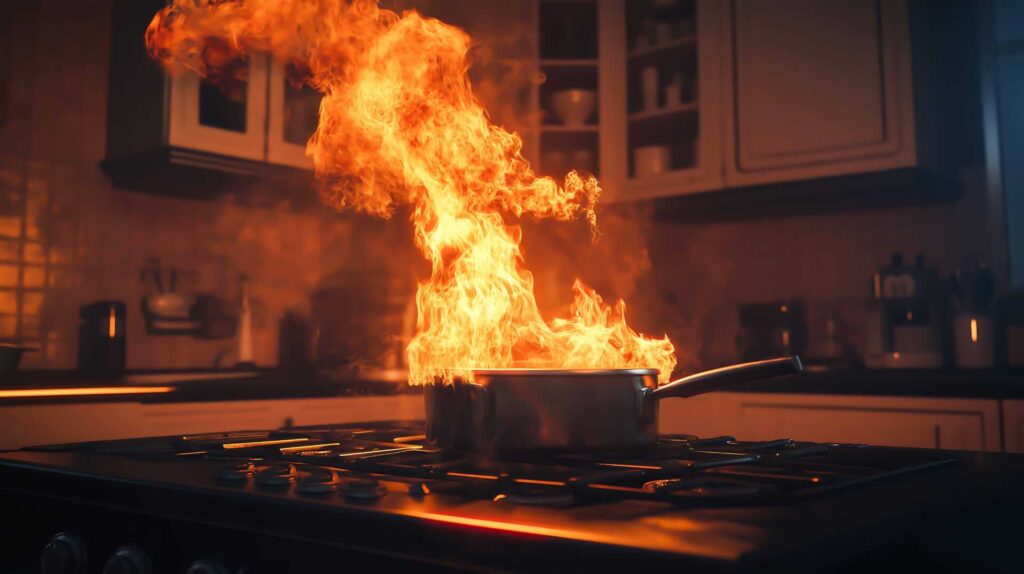
Damage can strike unexpectedly, leaving you feeling overwhelmed and unprepared. However, knowing the right strategies can make all the difference in restoring your space effectively. From evaluating the damage to employing safety measures, each step is essential. Understanding these fundamentals guarantees you tackle issues like water or fire damage efficiently. What you choose to do next could greatly influence the outcome of your restoration efforts.
Key Takeaways
- Conduct a thorough damage assessment to identify the type and extent of damage before starting restoration efforts.
- Prioritize safety by wearing appropriate PPE and maintaining hazard awareness during the restoration process.
- Document all damage with clear photographs and detailed notes to support insurance claims.
- Utilize professional restoration services for significant issues like water damage, mold, or fire aftermath to ensure proper handling.
- Maintain organized records of repairs and communications to streamline the restoration journey and facilitate insurance processes.
Understanding the Basics of Damage Restoration
Damage restoration involves a systematic approach to returning a property to its pre-damaged state. Understanding the basics starts with a thorough damage assessment. You’ll need to identify the type and extent of the damage, whether it’s from water, fire, or mold. This evaluation guides your choice of restoration techniques.
Employing the right techniques is essential; for example, water extraction and drying methods differ markedly from fire damage cleanup. Each situation requires tailored strategies to guarantee effective restoration.
Identifying Key Signs of Damage
When evaluating your property, recognizing key signs of damage early can save you time and resources.
Start by looking for visual damage indicators such as water stains, cracks in walls, or peeling paint. These often point to common damage types like water intrusion or structural issues.
Pay attention to musty odors, which can signal mold growth due to moisture problems.
Additionally, check for signs of pests, such as droppings or chewed materials, which can lead to further damage.
Make it a habit to inspect your property regularly, focusing on areas prone to wear and tear.
Safety Tips for the Restoration Process
As you begin the restoration process, prioritizing safety is essential to protect both yourself and your property. Start with emergency preparedness; make sure you have a plan in place for potential hazards.
Wear appropriate personal protective equipment (PPE), including masks, gloves, and goggles, to minimize exposure to harmful substances. Maintain hazard awareness by identifying risks like mold, electrical issues, or structural instability.
Keep your workspace well-ventilated and organized to prevent accidents. If you’re unsure about a specific task, don’t hesitate to consult professionals.
Also, make certain you have a first-aid kit readily available. By following these safety tips, you’ll not only safeguard yourself but also create a secure environment for others involved in the restoration process.
Must-Have Tools for Damage Restoration
When tackling damage restoration, having the right tools is vital for efficiency and safety.
You’ll need essential safety gear to protect yourself from hazards, along with key restoration equipment to tackle the job effectively.
Understanding what tools are necessary can make a significant difference in the outcome of your restoration efforts.
Essential Safety Gear
In damage restoration, having the right safety gear is essential for your protection and efficiency. Start with protective clothing to shield yourself from hazardous materials and contaminants.
Safety goggles are vital for eye protection, especially when dealing with debris or chemicals. Don’t overlook respirator masks; they filter harmful particles and guarantee you’re breathing clean air.
Durable gloves provide grip and protection against sharp objects and toxic substances. Hard hats are necessary in environments where falling objects pose a risk.
Finally, opt for slip-resistant footwear to prevent slips and falls on wet or uneven surfaces. Together, these essentials create a safer working environment, allowing you to focus on restoration without compromising your well-being.
Key Restoration Equipment
After guaranteeing your safety with the right gear, it’s time to equip yourself with the tools that make damage restoration effective.
Start with essential restoration supplies like high-powered water extractors and industrial dehumidifiers. These tools help mitigate moisture damage quickly, adhering to current restoration technology trends.
Invest in air movers to promote airflow and speed up drying processes—important for preventing mold growth. Don’t forget personal protective equipment to guarantee your safety while using these tools.
A moisture meter is also vital for evaluating damage accurately. By leveraging these key pieces of equipment, you’ll not only enhance your efficiency but also foster a sense of belonging in a community that values quality restoration work.
Best Practices for Water Damage Cleanup
Although water damage can be overwhelming, quick and efficient cleanup can dramatically mitigate long-term issues.
Start by employing effective water extraction techniques to remove standing water. Use submersible pumps or wet vacuums for thorough removal.
Next, focus on drying methods; dehumidifiers and fans help accelerate evaporation, reducing moisture levels. Guarantee proper ventilation in affected areas to promote airflow.
Inspect and remove water-damaged materials like drywall or insulation, as they can harbor mold. Monitor humidity levels consistently, aiming for a target below 50%.
Finally, consider using antimicrobial treatments to prevent mold growth.
Fire and Smoke Damage Restoration Strategies
Restoring a space after fire and smoke damage requires immediate and informed action.
Begin with an emergency response to assess the fire damage and prioritize safety.
Next, focus on soot removal to prevent further damage; this involves specialized cleaning techniques.
Address smoke odor using effective ventilation techniques and air purifiers.
Initiate necessary structural repairs to guarantee the integrity of your home.
Don’t forget about content cleaning; salvage what you can to reduce losses.
As you navigate insurance claims, document all damage meticulously to streamline the process.
Keep a clear restoration timeline to manage expectations.
Understanding fire safety measures can prevent future incidents, assuring your space remains a safe and welcoming environment for you and your loved ones.
Mold Prevention Techniques After Water Damage
Once water damage occurs, taking swift action is essential to prevent mold growth. Start by removing excess water using pumps or wet vacs.
Make sure you dry out affected areas within 24-48 hours. Use fans and dehumidifiers to enhance air circulation, reducing humidity levels that foster mold.
Inspect hidden spaces, like behind walls and under carpets, as mold can thrive in these areas. Clean and disinfect surfaces with mold-inhibiting solutions to further deter growth.
If you notice any signs of mold, address them immediately to prevent it from spreading. Regularly check your home for leaks or moisture and maintain proper ventilation in bathrooms and kitchens.
Staying proactive makes your space safer and more welcoming for everyone.
When to Hire Professional Restoration Services?
When do you know it’s time to call in professional restoration services? If you’re facing significant water damage, mold growth, or a fire aftermath, it’s vital to seek help.
An emergency response team can assess the situation quickly, preventing further damage and ensuring safety.
If the damage exceeds what you can manage, such as structural issues or hazardous materials, professionals are essential. They’ve the tools and expertise to restore your property efficiently, adhering to a strict restoration timeline.
Don’t underestimate the importance of acting fast; delays can lead to more extensive damage.
Ultimately, hiring professionals not only protects your investment but also grants you peace of mind during a challenging time.
Documenting Damage for Insurance Claims
When you’re filing an insurance claim, accurate documentation is key.
Start by taking clear photographs of the damage and keep detailed records of all related expenses.
Additionally, obtaining professional assessments can strengthen your case and guarantee you receive the compensation you deserve.
Take Clear Photographs
Taking clear photographs is essential for effectively documenting damage when filing insurance claims. Use photograph techniques like proper lighting and angles to capture detailed images of the damage.
Guarantee each photo shows the extent of the issue, including close-ups and wider shots for context. Organize your images systematically; label them by date and location to make it easier for your insurer to understand the situation.
Avoid clutter in your photos—focus on the damage itself. Consider taking pictures before any cleanup begins to show the original state.
When you submit these organized images, you create a compelling case for your claim, making it easier for your insurer to process and approve it promptly.
Keep Detailed Records
Clear photographs serve as a vital starting point, but keeping detailed records is equally important for documenting damage during the insurance claims process.
Effective record keeping involves creating extensive damage logs that capture every aspect of the incident. Start by noting the date, time, and specifics of the damage. Include descriptions of affected areas and any immediate actions taken. This information not only helps your claim but also provides a thorough overview for future reference.
Don’t forget to keep receipts for repairs and any temporary accommodations. By maintaining organized records, you strengthen your case with the insurance company and guarantee you’re prepared for any follow-ups.
Consistent documentation fosters a sense of control and belonging as you navigate the restoration journey.
Obtain Professional Assessments
Obtaining professional assessments is essential for accurately documenting damage when filing insurance claims. Expert evaluations provide a clear picture of the extent of the damage, guaranteeing you receive fair compensation.
Here’s how to approach property assessments effectively:
Hire Licensed Professionals: Choose certified inspectors who specialize in your type of damage.
Request Detailed Reports: Confirm the assessment includes photographs, measurements, and descriptions of the damage.
Keep Communication Open: Discuss findings with the assessor to understand the implications for your claim.
Submit Documentation Promptly: Provide your insurer with the assessment reports as soon as possible to expedite your claim process.
Frequently Asked Questions
How Long Does the Damage Restoration Process Typically Take?
The damage restoration process typically takes a few days to several weeks, depending on the severity. Quick emergency response can greatly shorten the restoration timeline, ensuring your space returns to normal as soon as possible.
Can I Stay in My Home During Restoration?
You might need temporary housing during restoration if safety precautions aren’t met. While it’s comforting to stay home, prioritizing your well-being is essential. Verify your space is secure before deciding where to rest during repairs.
What Are the Costs Associated With Damage Restoration?
Costs for damage restoration vary based on cost factors like assessment fees, equipment costs, and labor expenses. A pricing breakdown often includes emergency repairs and material prices, so you should expect a thorough estimate before proceeding.
Will My Insurance Cover the Restoration Expenses?
Your insurance might cover restoration expenses, but it depends on your specific insurance policies and coverage limits. Reviewing your policy closely helps you understand what’s included, ensuring you’re not left in the dark during recovery.
How Can I Prevent Future Damage After Restoration?
To prevent future damage after restoration, implement preventive measures like sealing vulnerabilities and installing moisture barriers. Regular ongoing maintenance, such as checking for leaks and cleaning gutters, helps protect your space and guarantees long-term safety.
Recap
So, if you think you can tackle a water-soaked basement with just a mop and some good intentions, think again! Damage restoration isn’t a DIY hobby; it’s a serious business. By following these tips, you’ll not only save your sanity but also avoid turning your home into a moldy swimming pool or a fire hazard. Remember, when in doubt, don’t hesitate to call in the pros your home will thank you, and so will your insurance adjuster!