
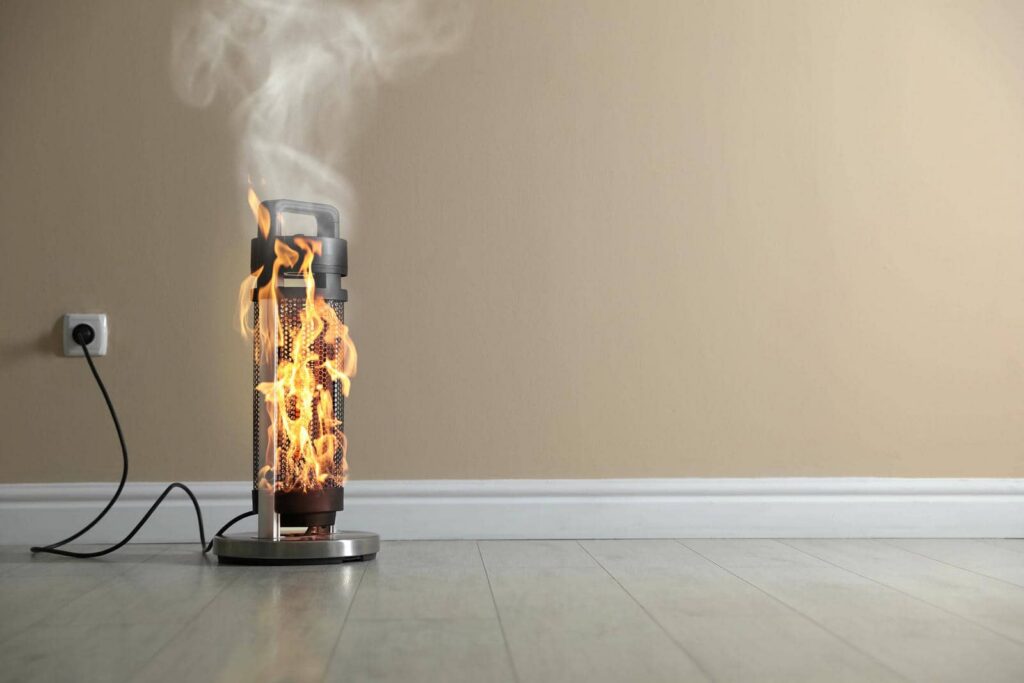
Smoke damage can linger long after the flames are extinguished, affecting air quality and structural integrity. To effectively tackle this issue, you need to employ a methodical approach that combines various cleanup techniques. From specialized cleaning agents to advanced air purification systems, each step plays an essential role. Understanding these methods aids restoration and prevents future complications. Let’s explore the best practices for smoke damage cleanup to ensure a thorough recovery.
Key Takeaways
- Use air scrubbers and smoke vacuums for effective removal of harmful particles from the air and surfaces.
- Apply specialty cleaning agents designed specifically for smoke residue on affected surfaces.
- Employ dry cleaning methods for textiles and upholstery to restore items damaged by smoke.
- Utilize vinegar and baking soda mixtures to neutralize lingering odors on walls and surfaces.
- Consider hiring professionals for extensive damage to ensure thorough cleanup and remediation.
Understanding Smoke Damage and Its Effects
Smoke damage is a complex issue that can significantly impact both structures and health. Understanding smoke composition is essential; it consists of various harmful chemicals, including carbon monoxide, formaldehyde, and particulate matter.
When you inhale these substances, you face significant health risks, such as respiratory issues, cardiovascular problems, and even long-term neurological effects. The residues can linger in your environment, affecting air quality and making cleanup imperative.
By recognizing the dangers associated with smoke damage, you empower yourself to take necessary precautions. Whether it’s ensuring proper ventilation or using protective gear during cleanup, being informed helps you protect both your living space and well-being.
Knowledge and action are your best allies in mitigating smoke’s adverse effects.
Assessing the Extent of Smoke Damage
To accurately assess smoke damage, start with a thorough visual inspection to identify visible residues and discoloration on surfaces.
Next, employ odor detection methods to gauge the extent of lingering smoke particles.
Finally, evaluate the surface materials to determine their condition and the effectiveness of potential cleaning techniques.
Visual Inspection Techniques
When evaluating smoke damage, conducting a thorough visual inspection is essential for determining the extent of the impact on your property.
Start by examining surfaces, as soot and discoloration are key damage indicators. Check walls, ceilings, and floors for any residue or staining; this can help you identify the most affected areas.
Don’t forget to look at furniture and personal belongings, as they may also show signs of smoke exposure. Pay attention to any unusual odors or visual abnormalities, which can indicate deeper damage.
Document your findings with photos or notes; this will aid in the cleanup process and any insurance claims.
A systematic approach ensures you catch all damage indicators, helping you restore your space effectively.
Odor Detection Methods
Although visual inspections are essential, odor detection plays a key role in evaluating smoke damage effectively.
Start by utilizing smoke detection tools like electronic noses, which can identify specific odor compounds. Pay attention to areas where odor absorption is likely, such as carpets, fabrics, and porous surfaces.
Conduct air quality tests to measure particulate matter and volatile organic compounds, helping you gauge the extent of lingering smoke odors. Additionally, employ specialized odor removal agents to neutralize these smells during cleanup.
Thorough odor detection helps shape your restoration strategy and ensures a healthier environment for occupants.
Surface Material Evaluation
Evaluating surface materials is essential for accurately gauging smoke damage. Different surface types—like wood, drywall, and metal—react uniquely to smoke exposure, affecting their material resilience.
Start your damage evaluation by identifying the extent of staining or corrosion. Use appropriate cleaning products tailored to each surface; harsh chemicals can worsen damage.
Consider surface treatments, such as sealers or primers, to mitigate lingering odors and stains. Employ restoration techniques, including deep cleaning and refinishing, to restore surfaces effectively.
Don’t forget to implement protective measures, like using drop cloths and ventilating areas during cleanup, to safeguard both the environment and your health.
This methodical approach ensures you address smoke damage thoroughly and effectively.
Key Tools You Need for Effective Smoke Damage Cleanup
Effective smoke damage cleanup requires specific tools that can tackle the residue and odor left behind.
First, invest in high-quality restoration equipment like air scrubbers and smoke vacuums. These devices utilize advanced filtration systems to remove particulate matter effectively.
Next, employ specialty cleaning agents designed for smoke removal techniques, ensuring they’re suitable for the surfaces you’re treating. A good set of brushes and sponges will help you scrub off stubborn soot.
Don’t overlook personal protective equipment—gloves and masks are essential for your safety.
Finally, a thermal fogger can penetrate porous materials, neutralizing lingering odors.
With these key tools, you’ll be well-equipped to restore a smoke-damaged environment, making it safe and comfortable for everyone.
How to Clean Up Smoke Damage: A Step-by-Step Guide
When dealing with smoke damage, it’s crucial to act swiftly to minimize further deterioration. Start by wearing protective gear and ventilating the area.
Next, assess the extent of the damage—check walls, ceilings, and fabrics. Use effective smoke removal techniques like dry cleaning for textiles and specialized cleaners for surfaces. For walls and ceilings, a mixture of vinegar and baking soda can help neutralize odors.
Once cleaned, employ restoration methods such as repainting or refinishing to restore the space.
Don’t forget to inspect HVAC systems; they may require cleaning to eliminate lingering smoke particles.
Finally, document the damage for insurance purposes. Following these steps ensures a thorough, methodical approach to restoring your environment.
How to Purify Air From Smoke Odors
To effectively purify air from smoke odors, you should utilize a combination of natural air purifiers and chemical smoke odor eliminators.
Implementing proper ventilation techniques is essential in maximizing air circulation and reducing residual smells.
Natural Air Purifiers
While smoke odors can linger stubbornly in your home, natural air purifiers offer a viable solution for restoring freshness.
Utilizing activated charcoal can effectively absorb and neutralize smoke particles, making it a powerful ally in your cleanup efforts.
Incorporating houseplants enhances your space and provides air purifying benefits; species like spider plants and peace lilies thrive in indoor greenery while filtering toxins.
Essential oils, such as lemon or eucalyptus, can complement this process by adding pleasant scents.
For more advanced solutions, ozone generators can help, but maintain proper humidity control to avoid potential damage.
Chemical Smoke Odor Eliminators
Chemical smoke odor eliminators play a crucial role in effectively purifying air contaminated by smoke.
These products utilize advanced formulations to tackle persistent odors and residues. Here’s what you should know:
Chemical Absorption: These agents capture and neutralize smoke particles, preventing them from lingering.
Odor Neutralizers: They specifically target and eliminate the chemical compounds responsible for unpleasant scents.
Smoke Filtration: Many products offer enhanced filtration, removing both particles and odors from the air.
Ventilation Techniques and Tips
Effective ventilation is essential for purifying air contaminated by smoke odors, and implementing the right techniques can considerably improve indoor air quality.
Start with proper airflow management; strategically place fans near windows to enhance air exchange. Use exhaust fans to draw out stale air while inviting fresh air in.
Consider your ventilation systems—ensure they’re functioning efficiently to facilitate smoke removal and odor neutralization.
Monitor humidity control; high humidity can exacerbate odors, so use dehumidifiers if necessary.
Finally, maintain consistent airflow by keeping doors open between rooms and using multiple fans to circulate air.
Preventing Future Smoke Damage: Tips and Best Practices
To prevent future smoke damage, it’s crucial to understand both the sources of smoke and the best practices for mitigation.
Implementing effective smoke prevention strategies is key to safeguarding your home. Here are some practical home maintenance tips to take into account:
Regularly inspect and maintain appliances: Verify your heating and cooking devices are in good working order to prevent accidental fires.
Install smoke detectors: These devices can alert you to smoke early, allowing you to take action before damage occurs.
Practice safe smoking habits: If you or guests smoke, designate a safe area outside and use proper disposal methods for cigarette butts.
When Should You Get Professional Help for Smoke Damage?
Even with preventive measures in place, smoke damage can still occur, often requiring professional intervention for complete cleanup and restoration.
You should know when to seek expert help. If you notice persistent odors, discoloration on walls, or damage to furniture, these are signs needing immediate attention.
Additionally, if soot is visible or if you suspect structural damage, don’t hesitate to call professionals. They possess the necessary equipment and expertise to assess and remediate the situation effectively.
Ignoring these signs can lead to more extensive damage and costly repairs down the line. Trusting specialists ensures a thorough approach, protecting your home and health.
Frequently Asked Questions
Can Smoke Damage Affect My Health Long-Term?
Yes, smoke damage can lead to long-term effects on your health. Exposure to smoke particulates increases respiratory issues and other health risks, potentially causing chronic conditions if not properly addressed and mitigated post-exposure.
How Can I Tell if Smoke Damage Is Hidden?
Check for hidden signs like discoloration on walls, lingering odors, or smoke residue in hard-to-reach areas. Use a flashlight to inspect corners and crevices, ensuring you don’t overlook any potential damage affecting your space.
Will Insurance Cover Smoke Damage Cleanup Costs?
Yes, insurance often covers smoke damage cleanup costs. To ensure your claim’s success, gather thorough cleanup estimates and document the damage. Review your policy details, as coverage can vary greatly among insurance providers.
What Household Items Can I Use for Smoke Cleanup?
You can use a vinegar solution to neutralize odors and baking soda to absorb lingering smells. Mix equal parts vinegar and water, then scrub surfaces, while sprinkling baking soda in affected areas to eliminate smoke traces.
How Long Does It Take to Completely Remove Smoke Odors?
It typically takes several days to weeks for complete smoke odor removal. Employ odor removal techniques like activated charcoal and baking soda, alongside smoke absorption materials such as sponges and cloths, to expedite the process effectively.
Wrap-Up
By employing these seven effective methods for smoke damage cleanup, you can greatly restore your space. For example, a homeowner who used air scrubbers and thermal foggers after a kitchen fire was able to eliminate lingering odors and soot stains within days. Remember, thoroughness is key; don’t overlook any detail in your cleanup process. If the damage seems extensive, don’t hesitate to call in professionals who specialize in smoke damage restoration for best results.