
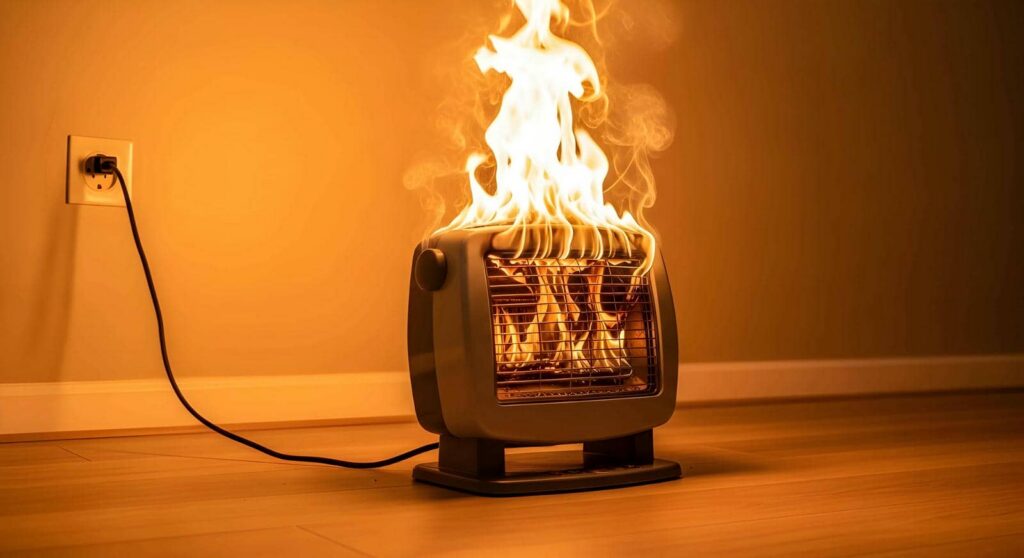
Smoke damage is like a shadow lurking in the aftermath of a fire, silently threatening your health and property. It seeps into surfaces, releasing harmful particles that compromise air quality. You can’t afford to ignore the risks of delayed smoke damage restoration. Effective techniques can mitigate long-term damage and protect your investments. So, what methods should you consider to ensure thorough cleanup and recovery?
Key Takeaways
- Smoke damage can lead to serious health risks due to toxic particles and lingering odors affecting air quality.
- Timely restoration prevents irreversible structural damage and reduces overall repair costs, safeguarding both property and health.
- Specialized techniques for soot removal and odor neutralization are essential for effective cleanup, ensuring thorough restoration.
- Professional restoration services can identify hidden damage and handle hazardous materials safely, reducing long-term risks.
- Engaging professionals promptly can help control costs and maximize insurance coverage, preventing financial burdens from escalating.
What Causes Smoke Damage and Why It Matters
When a fire occurs, the smoke produced can infiltrate every corner of a property, leading to significant damage that often goes unnoticed at first.
Various fire sources, such as electrical malfunctions or cooking accidents, can generate toxic smoke, posing serious health risks. You may not realize that smoke contains harmful particles and gases that settle in your home, affecting air quality.
Restoration challenges arise as these residues can damage surfaces and materials, making cleanup complex. Implementing effective prevention strategies, like regular maintenance and smoke alarms, is essential for minimizing risks.
Understanding these factors protects your property and fosters community awareness, ensuring everyone can live safely and healthily.
Why Timely Smoke Damage Restoration Matters
Timely smoke damage restoration is essential to preventing further deterioration of your property and safeguarding your health. When smoke permeates your space, it leaves behind toxic residues that can pose serious health implications.
Delaying restoration can lead to irreversible structural damage and increased repair costs. The restoration urgency can’t be overstated; immediate action helps eliminate harmful particulates and odors, creating a safer environment for you and your loved ones.
Additionally, prompt restoration can greatly reduce the risk of mold growth, which thrives in damp and smoky conditions. By prioritizing swift smoke damage cleanup, you protect your investment and foster a healthier living space, reinforcing your sense of community and belonging.
Don’t wait—act decisively for your well-being.
Common Techniques for Effective Smoke Damage Cleanup
When tackling smoke damage, it’s essential to employ effective soot removal methods and odor neutralization techniques.
You’ll want to use specialized equipment and cleaning agents designed to break down soot particles and eliminate lingering smells.
Understanding and implementing these strategies can greatly enhance the restoration process and improve indoor air quality.
Soot Removal Methods
Soot removal is essential for effective smoke damage cleanup, and there are several proven techniques to accomplish this task efficiently.
Start with a thorough damage assessment to identify affected areas. Use specialized cleaning products designed for soot removal, ensuring they’re safe for your surfaces.
For porous materials, consider dry cleaning methods or HEPA vacuums to avoid spreading soot particles. Wet cleaning methods can be effective on non-porous surfaces, but always test a small area first.
When employing restoration methods, work from the top down to prevent re-soiling. Remember, patience and attention to detail are vital in achieving the best results.
Odor Neutralization Techniques
After successfully removing soot, the next step in smoke damage restoration is addressing lingering odors. Effective odor neutralization techniques are essential for restoring comfort in your space.
You can employ odor absorption methods, such as activated charcoal or baking soda, which draw out and trap the unwanted smells. Place these materials strategically in affected areas for ideal results.
Additionally, consider scent masking techniques, using essential oils or air fresheners to temporarily cover odors while the absorption process works. It’s critical to combine these approaches for a thorough solution.
How Professionals Improve Restoration
Professionals deploy advanced techniques and specialized equipment to enhance smoke damage restoration, ensuring a thorough recovery process.
With cutting-edge restoration technology, they effectively remove soot and residues that DIY methods often miss. Their professional training equips them with the knowledge to assess the extent of damage, allowing for targeted interventions.
For instance, they utilize industrial-grade air scrubbers and dehumidifiers to eliminate lingering odors and moisture, preventing further issues like mold growth. Additionally, they implement thermal fogging and ozone treatments, which penetrate materials to neutralize odors at the source.
Should You Go DIY or Hire a Pro for Smoke Damage?
How do you decide whether to tackle smoke damage restoration yourself or hire a professional?
While DIY challenges might seem appealing, they often involve complex tasks like soot removal and odor neutralization, which require specialized equipment and expertise. You might underestimate the extent of the damage, leading to incomplete restoration and lingering health risks.
On the other hand, professional benefits include access to advanced techniques and materials that ensure thorough remediation.
Experts can identify hidden damage, preventing long-term issues. Additionally, they possess the training to handle hazardous materials safely.
Weigh your skills and resources against the potential risks of DIY. Ultimately, choosing a professional can provide peace of mind and a more effective restoration process for your home.
How Odor Removal Enhances Smoke Damage Restoration
Removing odors effectively is vital in smoke damage restoration, as lingering smells can greatly affect indoor air quality and overall comfort.
Utilizing odor absorption techniques, such as activated charcoal and baking soda, helps neutralize the persistent scents that smoke leaves behind. These methods are cost-effective and environmentally friendly, making them suitable for your living space.
Additionally, incorporating air purification methods, like HEPA filters or ozone generators, ensures that airborne particles and toxins are eliminated, further enhancing your indoor environment.
By addressing odors directly, you create a healthier atmosphere that fosters well-being and belonging.
This thorough approach to odor removal is essential for a successful smoke damage restoration, allowing you to reclaim your home with confidence.
Tips for Homeowners to Prevent Smoke Damage Restoration Needs
To prevent smoke damage in your home, regular HVAC maintenance is essential, as it ensures your system operates efficiently and reduces the risk of fire hazards.
Additionally, installing smoke detectors can provide early warning, allowing you to act swiftly in case of an emergency.
Regular HVAC Maintenance
Regular HVAC maintenance is essential for homeowners aiming to prevent smoke damage restoration needs. Start by prioritizing air filter maintenance; dirty filters can restrict airflow and allow smoke particles to circulate.
Replace or clean your filters every one to three months, depending on usage.
Next, conduct regular ventilation checks to confirm that exhaust systems are functioning effectively. Blocked vents can trap smoke and toxins, increasing the risk of damage during a fire.
Consider scheduling professional HVAC inspections annually. Technicians can identify potential issues and recommend improvements, ensuring your system operates efficiently.
Install Smoke Detectors
Installing smoke detectors is a critical step in safeguarding your home against smoke damage. These devices come in various smoke detector types, including ionization, photoelectric, and dual-sensor models, each designed to detect different types of fires.
Proper installation benefits your household by providing early warning, allowing you to evacuate safely and minimize damage. Place detectors in key areas: bedrooms, hallways, and kitchens.
Regularly test them and replace batteries at least once a year. Don’t forget to replace the entire unit every 10 years.
Understanding Insurance for Smoke Damage Restoration
While maneuvering through the complexities of smoke damage restoration, understanding your insurance coverage is essential. Your policy limits dictate what restoration costs are covered, so review them carefully.
Familiarize yourself with the claim process; knowing the documentation requirements can streamline your experience. Pay attention to filing deadlines to ensure you don’t miss out on necessary compensation.
Additionally, check for exclusions included in your policy, as these might affect your claim for smoke damage. In cases where you need additional living expenses, confirm your coverage to avoid liability issues.
When to Seek Emergency Smoke Damage Services
When should you consider seeking emergency smoke damage services? If you’ve experienced a fire, even a small one, immediate action is essential.
Smoke can infiltrate walls, furniture, and HVAC systems, causing long-term damage and health risks. When you notice lingering odors, discoloration, or soot residue, it’s time to act.
An emergency response team can assess the situation quickly, providing specialized equipment and expertise to mitigate damage effectively. Delaying could lead to costly repairs and health issues due to toxic residues.
Remember, the sooner you engage professionals, the better your chances are of restoring your property and peace of mind.
Don’t hesitate—addressing smoke damage promptly can make a significant difference in your home’s recovery.
Frequently Asked Questions
How Can I Identify Hidden Smoke Damage in My Home?
To identify hidden smoke damage in your home, look for hidden signs like discoloration on walls, lingering odors, and smoke residue in vents. Inspect behind appliances and fixtures, as damage often hides in less obvious areas.
What Are the Long-Term Effects of Smoke Damage on Health?
Smoke damage can lead to serious long-term health issues. You’ll face increased smoke inhalation risks, which may cause chronic respiratory issues, impacting your quality of life and overall well-being, especially if exposure continues.
Are There Specific Odors That Indicate Severe Smoke Damage?
When you walk through a smoke-damaged home, the air tells a story. Strong, acrid odors signal severe smoke residue. Effective odor detection helps you identify hidden damage, ensuring a safe, healthy environment for everyone.
How Can Smoke Damage Affect My Home’s Resale Value?
Smoke damage can greatly lower your home’s resale value. Buyers’ perception shifts negatively, impacting market appeal and reducing offers. Addressing damage promptly helps restore value and enhances your chances of a successful sale.
What Materials Are Most Vulnerable to Smoke Damage?
Wood, fabric, and porous materials are most vulnerable to smoke damage. Fire residue can penetrate deeply, necessitating specialized restoration methods to effectively clean and restore your home, ensuring its value and safety remain intact.
Summary
In the domain of smoke damage restoration, “an ounce of prevention is worth a pound of cure.” By understanding the causes and implications of smoke damage, you can act swiftly to safeguard your health and property. Whether you choose professional services or a DIY approach, timely intervention is key. Prioritizing effective techniques enhances air quality and protects your investment, ensuring a healthier environment for you and your loved ones. Don’t wait—act decisively for lasting results.