
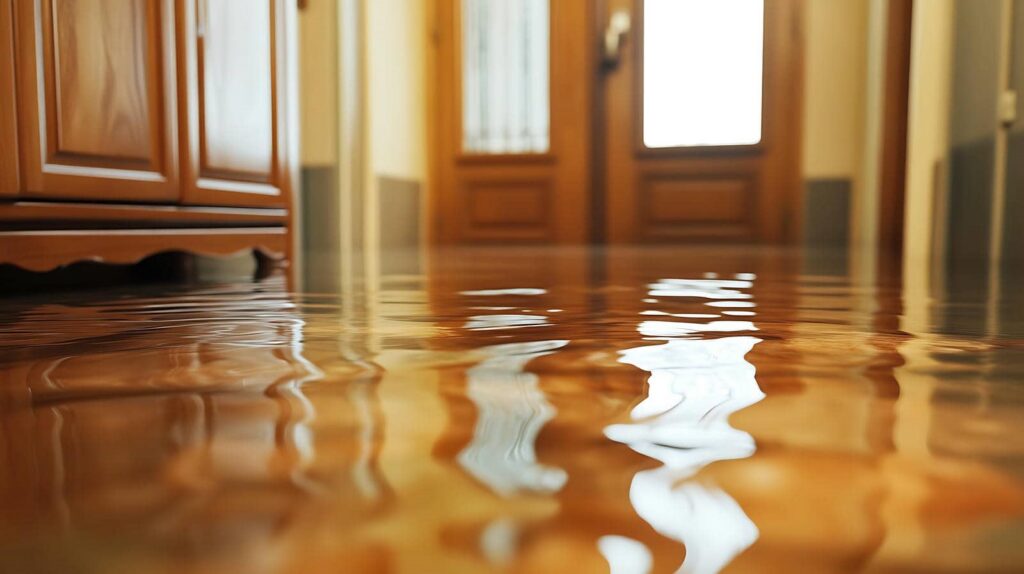
Water damage can be both a sudden disaster and a slow, creeping issue. For homeowners like you, having water damage repair insurance isn’t just a safety net; it’s an essential part of protecting your investment. Without it, you’re left vulnerable to hefty repair costs and potential property devaluation. Understanding how this insurance works and its broader implications can greatly affect your financial security and peace of mind. What complexities should you consider when evaluating your options?
Key Takeaways
- Water damage repair insurance covers unexpected leaks, preventing significant financial burdens from sudden repairs and restoration costs.
- It provides peace of mind, ensuring homeowners are protected against various water-related disasters.
- Insurance encourages proactive measures, promoting responsible homeownership and investment in preventive strategies.
- Mold remediation is included if moisture is prolonged, safeguarding health and property value.
- Understanding coverage limits helps homeowners avoid gaps and ensures adequate protection against potential water damage.
What You Need to Know About Water Damage
Water damage can be a significant issue for homeowners, often leading to costly repairs and potential health risks. Understanding the common causes, like leaky pipes, roof damage, or flooding, is essential for effective prevention.
Regularly inspecting your home helps you catch these problems early. Consider investing in waterproofing solutions and ensuring proper drainage around your property.
Simple prevention tips, such as cleaning gutters and maintaining appliances, can save you from extensive damage later. Additionally, be aware of moisture levels in your home, as high humidity can promote mold growth.
How Water Damage Repair Insurance Functions
While you may think your home is safe from unexpected water damage, understanding how water damage repair insurance functions is vital for effective financial planning.
This insurance typically covers various water types, including:
- Sudden leaks from pipes or appliances.
- Overflow from sinks or bathtubs.
- Flood damage from natural disasters (may require additional coverage).
- Mold remediation caused by prolonged exposure to moisture.
Each policy has specific coverage limits, which determine the maximum amount you can claim.
Familiarizing yourself with these limits helps you assess whether your policy meets your needs.
Be proactive by reviewing your coverage regularly to ensure you’re adequately protected against potential water damage risks in your home.
Benefits of Water Damage Insurance
Understanding the benefits of water damage insurance is essential for homeowners, especially since unexpected incidents can lead to significant repair costs. This type of insurance covers repairs and supports preventive measures you may take to mitigate future risks.
With the right policy coverage, you can protect your home from various water-related issues, such as leaks or floods, without facing financial strain. Additionally, having this insurance fosters peace of mind, knowing you’re safeguarded against potential disasters.
It also encourages responsible homeownership, as it incentivizes you to invest in preventative strategies. Ultimately, water damage insurance is a crucial component of your overall home protection plan, ensuring your investment remains secure and your living space comfortable.
Busting Myths About Water Damage Insurance
Many homeowners hold misconceptions about water damage insurance that can lead to confusion and inadequate coverage. Understanding these flood myths and coverage misconceptions is essential for protecting your home.
Here are four common myths:
Homeowners insurance covers all water damage: Many believe their policy includes everything, but that’s not always true.
Flood damage is covered under standard policies: Most homeowners insurance doesn’t cover flood damage; you often need separate flood insurance.
Basement damage is always covered: Damage in basements can be subject to different rules and may not be included.
Claims are easy to file: The process can be complex, and understanding your policy is critical.
Steps to File a Water Damage Repair Insurance Claim
Filing a water damage repair insurance claim involves several critical steps to ensure a smooth process and maximize your benefits.
First, document the damage thoroughly with photos and detailed notes, as this claim documentation will support your case.
Next, report the incident to your insurance provider promptly to establish a clear claim timeline. Be prepared to provide all necessary information, including your policy number and a description of the damage.
Once you submit your claim, follow up regularly to check its status. If an adjuster visits, be present to answer questions and clarify any points.
Finally, keep copies of all correspondence and documents for your records. This organized approach can greatly enhance your chances of a favorable outcome.
Frequently Asked Questions
How Can I Prevent Water Damage in My Home?
To prevent water damage, focus on water leak prevention and moisture control. Regularly inspect pipes, seal cracks, and maintain gutters. Use dehumidifiers in damp areas, ensuring your home stays dry and protected against potential issues.
Is Basement Flooding Covered by Water Damage Insurance?
Yes, basement flooding can be covered by water damage insurance, but you’ll need flood insurance specifically. Additionally, investing in basement waterproofing can greatly reduce risks and potentially lower your premiums, protecting your home effectively.
What Types of Water Damage Are Not Covered?
You won’t find coverage for water damage resulting from flood zones or policy exclusions. Many standard policies exclude damage from natural disasters, leaving you vulnerable unless you invest in separate flood insurance for extensive protection.
How Long Does It Take to Process a Claim?
Claim duration can feel like an eternity, but processing timelines usually range from a few days to several weeks. Factors like documentation and the insurer’s workload considerably impact how quickly your claim gets resolved.
Can I Switch Insurance Providers After Filing a Claim?
You can switch insurance providers after filing a claim, but it may affect your current claim’s processing. Compare providers carefully to ensure you’re making a choice that benefits your overall coverage and future claims.
Wrap-Up
In the unpredictable landscape of homeownership, water damage repair insurance acts as your safety net, catching you before you fall into a financial abyss. It shields you from the storm of unexpected costs and ensures your home remains a sanctuary rather than a burden. By investing in this coverage, you’re not just protecting your property; you’re safeguarding your peace of mind, enabling you to focus on what truly matters—creating memories in a secure, thriving environment.