
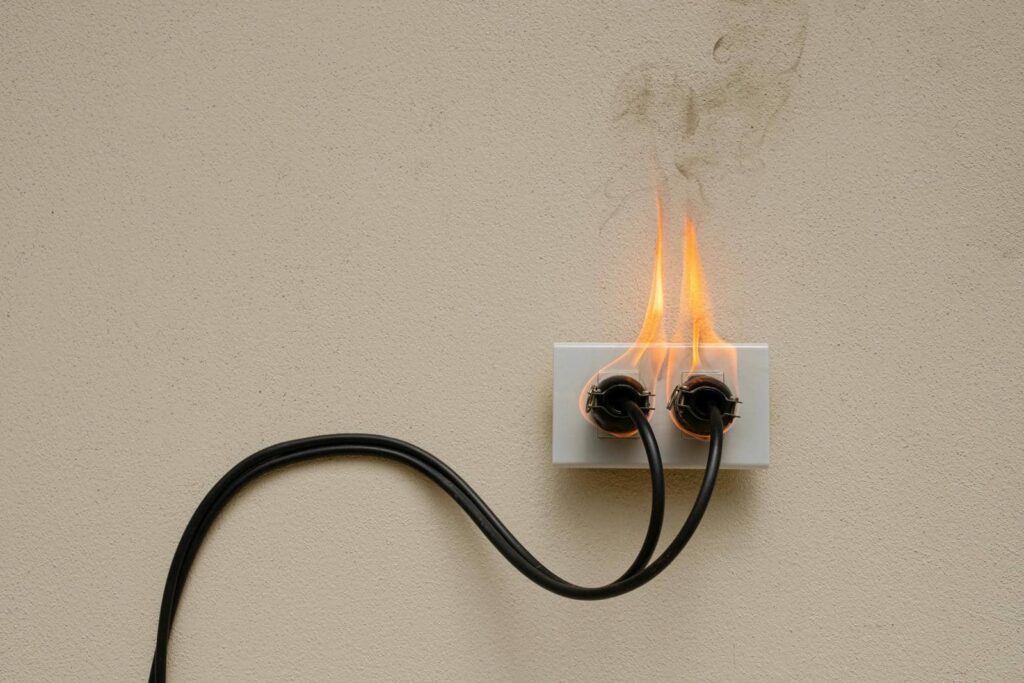
Following a smoke damage cleanup guide is vital for restoring your home effectively. It helps you identify the extent of the damage, prioritize areas needing attention, and mitigate health risks associated with harmful residues. By adhering to a structured process, you protect your property and ensure a thorough recovery. However, understanding how to navigate each step can be challenging, and knowing when to seek professional help is pivotal. Let’s explore the key elements of this process.
Key Takeaways
- Following a smoke damage cleanup guide ensures thorough assessment and prioritization of affected areas, preventing further deterioration.
- Timely action mitigates health risks from harmful smoke residues and promotes a safer living environment.
- A structured cleanup process reduces the likelihood of overlooking hidden residues that can cause lingering odors and health issues.
- Professional guidance in the cleanup ensures comprehensive restoration and identification of potential structural concerns.
- Adhering to safety measures protects individuals from health risks during the cleanup process, enhancing overall safety.
Identifying the Types of Smoke Damage in Your Home
Identifying the types of smoke damage in your home is essential, especially if you want to address the issue efficiently.
Start by identifying sources of smoke, which can include burnt materials, electrical malfunctions, or kitchen fires. Each source produces different types of smoke residue, affecting how you’ll tackle cleanup.
Next, assess the severity of the damage. Light smoke damage typically involves minor discoloration, while heavy damage can lead to structural issues and lingering odors.
Focus on affected areas, checking walls, ceilings, and furnishings for signs of residue. Understanding these factors allows you to prioritize your cleanup efforts effectively, ensuring a thorough restoration process.
Why Is Smoke Damage Cleanup Crucial for Your Home?
Smoke damage cleanup is essential for your home to mitigate health risks from harmful residues and particulates.
It also helps preserve the structural integrity of your property, preventing further deterioration.
Additionally, effective cleanup eliminates persistent odors that can affect your living environment.
Health Risks Involved
When a fire occurs in your home, the lingering effects of smoke damage can pose significant health risks that shouldn’t be overlooked. The smoke contains toxic substances that can lead to serious health implications, particularly for vulnerable populations such as children and the elderly.
Ignoring the cleanup can result in long-term effects, including respiratory concerns and mental health issues.
Contamination risks: Smoke particles can infiltrate various surfaces, leading to ongoing exposure.
Allergy triggers: Residual smoke can exacerbate allergies and asthma symptoms.
Toxic substances: Chemicals in smoke can remain in your environment, posing ongoing health threats.
Addressing these risks promptly is essential for safeguarding your well-being and that of your loved ones.
Structural Integrity Preservation
Ignoring smoke damage can compromise your home’s structural integrity, leading to further complications down the line. Conducting thorough structural assessments after a fire is essential.
Smoke can weaken materials, such as wood and metal, making them more susceptible to failure. If you skip this step, you risk the safety of your home and the well-being of those inside it.
Implementing reinforcement techniques, like installing additional supports or replacing damaged materials, can restore strength and stability. These measures help ensure your home remains safe and livable.
Odor Elimination Importance
Although you might think the visible damage is the only concern after a fire, the lingering odors from smoke can drastically affect your home’s air quality and overall livability.
Identifying odor sources is essential for effective cleanup. Smoke particles can settle in walls, furniture, and carpets, creating an environment that’s both uncomfortable and unhealthy.
To tackle this issue, consider the following:
Thorough cleaning: Use appropriate cleaning agents to remove smoke residues.
Deodorization techniques: Employ methods like ozone treatment or thermal fogging to neutralize odors.
Air purification: Invest in air purifiers to improve indoor air quality.
Addressing smoke odors restores comfort and promotes a healthier living space for you and your loved ones.
Top Safety Tips for Smoke Damage Cleanup
Before you begin smoke damage cleanup, it’s essential to prioritize safety to protect yourself from potential hazards.
Start by wearing protective gear, including gloves, masks, and goggles, to shield against harmful particles. Ensure proper ventilation; open windows and use fans to circulate air.
Familiarize yourself with fire safety protocols, especially if structural damage is present. Check for hidden flames or smoldering materials before starting any cleanup techniques.
Use non-combustible tools and store flammable substances away from the work area. Keep a fire extinguisher handy and know how to use it.
Finally, if the damage is extensive, consider consulting professionals to ensure a thorough and safe cleanup. Your safety is paramount in restoring your space effectively.
Follow This Step-by-Step Guide for Smoke Damage Cleanup
With safety precautions in place, you’re ready to tackle the smoke damage cleanup process.
Follow this structured step-by-step guide to ensure effective restoration. Your cleanup timeline starts with evaluating the damage, followed by removing debris and soot.
- Identify affected areas to prioritize your efforts.
- Use appropriate restoration techniques for surfaces and materials.
- Document the process for future reference and insurance claims.
Essential Tools for Smoke Damage Cleanup
Having the right tools at your disposal is essential for effective smoke damage cleanup. Start with quality cleaning equipment like vacuum cleaners with HEPA filters for soot removal.
Utilize protective gear, including masks and gloves, to safeguard against harmful residues. You’ll also need odor neutralizers to tackle lingering smells and air purifiers to improve indoor air quality.
Familiarize yourself with restoration techniques and consider chemical treatments specifically designed for smoke damage. Document the process thoroughly, as this will aid in your insurance claims.
Don’t Make These Common Smoke Damage Cleanup Mistakes
When addressing smoke damage cleanup, you can easily fall into common pitfalls that hinder effective restoration.
Ignoring proper safety gear, skipping a professional assessment, and overlooking hidden residues can lead to greater issues down the line.
Stay vigilant to ensure a thorough and safe cleanup process.
Ignoring Proper Safety Gear
Ignoring proper safety gear during smoke damage cleanup can lead to serious health risks.
You might think it’s just a minor task, but neglecting safety protocols can expose you to harmful substances and irritants.
Always prioritize your well-being by using the right protective equipment.
- Respirators: Protects your lungs from inhaling toxic smoke particles.
- Gloves: Shields your skin from chemicals and contaminants.
- Goggles: Prevents eye irritation from soot and debris.
Skipping Professional Assessment
How can you ensure a thorough smoke damage cleanup without a professional assessment? Skipping assessment can lead to significant oversights that affect your health and property.
Professionals identify visible damage and potential hidden issues that you might miss. Without their expertise, you risk incomplete cleanup, which can lead to lingering odors and health risks from smoke residue.
Moreover, the cost implications of a rushed cleanup can be staggering. You might think you’re saving money initially, but inadequate cleaning could necessitate more extensive repairs later.
Overlooking Hidden Residues
Skipping a professional assessment often leads to the oversight of hidden smoke residues that can linger long after the visible damage is addressed.
These residues pose hidden hazards that can affect both your health and the integrity of your property. It’s vital to recognize various residue types during cleanup to ensure thorough restoration.
Soot Residue: Often invisible, it can embed itself in materials and surfaces.
Odor Residue: Persistent smells can indicate deeper residues that need targeted treatment.
Chemical Residue: Toxic substances may remain, requiring specialized removal methods.
When to Call Professionals for Smoke Damage Restoration?
When should you consider calling in professionals for smoke damage restoration? If you notice persistent odors, visible soot, or discoloration in your home, it’s time to act.
Professionals use advanced restoration techniques to address these issues effectively. When evaluating the damage, they can identify hidden residues that you might miss, ensuring a complete cleanup.
Additionally, if the smoke damage affects structural integrity or requires specialized equipment, it’s essential to enlist experts. They’ll conduct an extensive damage assessment, providing you with a clear plan for restoration.
Don’t wait until the problem worsens; reaching out to professionals can save you time, money, and stress, giving you peace of mind that your home is safe and restored properly.
Preventing Future Smoke Damage in Your Home
After addressing smoke damage, it’s important to implement strategies that prevent future incidents. Prioritizing fire prevention protects your home and fosters a sense of belonging within your community.
Here are some key measures to contemplate:
Install smoke detectors: Verify these devices are placed in every room and regularly tested.
Upgrade ventilation systems: Proper airflow minimizes smoke buildup and enhances indoor air quality.
Schedule regular property inspections: Identify potential hazards and address them promptly.
Incorporate air purifiers to reduce residual smoke particles and evaluate insulation upgrades for better heat retention.
Don’t forget to review your insurance coverage to ensure adequate protection against fire-related damages. A proactive approach to home maintenance is essential for your peace of mind.
Frequently Asked Questions
How Can Smoke Damage Affect Indoor Air Quality?
Smoke damage introduces indoor pollutants that degrade air quality. You’ll need effective air purification to remove these contaminants, ensuring a healthier environment. Regular monitoring helps maintain ideal air quality and promotes well-being in your space.
What Are the Long-Term Effects of Smoke Damage on Health?
Long-term exposure to smoke damage can increase your risk of lung conditions while also causing psychological effects like anxiety and depression. Protecting your health is vital, so prioritize proper cleanup to mitigate these risks.
Can I Clean Smoke Damage Without Professional Help?
Yes, you can clean smoke damage without professional help. Use effective DIY techniques and appropriate cleaning products. Start by ventilating the area, then scrub surfaces with specialized cleaners to eliminate residue and odors effectively.
How Does Insurance Cover Smoke Damage Cleanup?
Insurance typically covers smoke damage cleanup costs, but you’ll need to file claims carefully. Think of it as stitching together a frayed tapestry—each detail matters for a complete recovery. Review your policy for specific coverage.
What Are Common Odors Associated With Smoke Damage?
Common odors associated with smoke damage include burnt wood, charred fabric, and lingering chemical scents. Identifying odor sources helps you target effective odor removal methods, ensuring your space returns to a comfortable, welcoming environment.
Review
In the aftermath of smoke damage, think of your home as a wounded warrior, needing careful tending to heal and regain strength. By following a smoke damage cleanup guide, you act as the skilled healer, addressing each wound with precision. This structured approach restores your home and protects your family. Remember, timely action and proper techniques are your tools; they’ll help you transform a smoky aftermath into a safe, welcoming haven once more.