
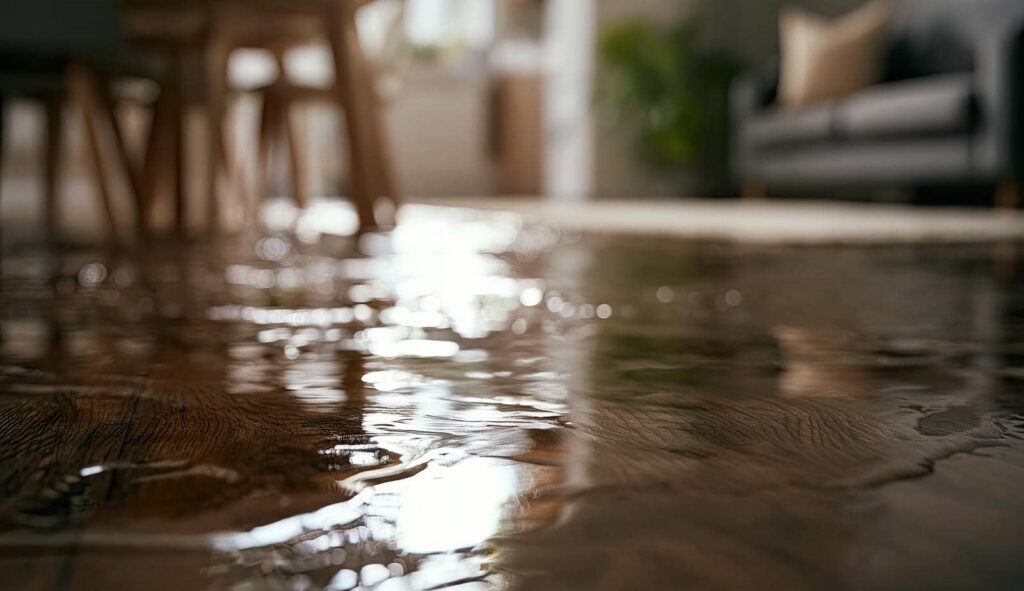
Restore Your Home After Flooding by taking a safe, systematic approach to minimize damage and speed up the recovery process. Begin by ensuring the property is safe to enter, checking for electrical and structural hazards, and documenting all damage for insurance purposes. Remove standing water as quickly as possible, thoroughly dry the affected areas, and clean and disinfect surfaces to help prevent mold growth and further deterioration. Following the proper restoration steps helps protect your home, preserve salvageable belongings, and restore your property safely and efficiently after a flood.
Key Takeaways
- Assess flood damage by documenting with photos and creating a detailed list of affected items for insurance claims.
- Prioritize safety by wearing protective gear and avoiding contaminated areas until professionals assess them.
- Remove standing water using wet/dry vacuums, and ventilate the space to control moisture levels.
- Inspect electrical and plumbing systems for damage, ensuring safety before using any appliances or fixtures.
- Implement mold prevention strategies and consider moisture-resistant materials for repairs to safeguard against future flooding.
Assessing Flood Damage: What to Look For
How can you effectively assess flood damage to your home? Start by documenting everything. Take clear photos of affected areas, focusing on walls, floors, and any damaged belongings.
Check for structural issues like cracks in the foundation or warped beams. It’s essential to know if your flood insurance covers specific damages, so review your policy carefully.
Make a detailed list of items affected, including their condition. This damage assessment will help you when filing a claim.
Don’t hesitate to reach out to professionals if you feel overwhelmed; they can offer valuable insights. Remember, you’re not alone in this—many are facing similar challenges, and together, you can navigate the recovery process effectively.
Prioritizing Safety and Health First
After evaluating the flood damage, the next step is to prioritize your safety and health. Start by gathering your emergency supplies—first aid kits, water, and non-perishable food are essential.
Make sure you wear protective gear, like masks and gloves, to safeguard against contaminants. Floodwaters can carry harmful bacteria, so taking health precautions is vital.
If you notice mold or sewage, it’s best to avoid those areas until professionals can assess them. Stay informed about local advisories and follow guidance from health officials.
Remember, your well-being comes first. Lean on neighbors and community resources for support; you’re not alone in this.
Documenting Damage for Insurance Claims
Once the immediate safety concerns are addressed, it’s essential to document the damage for your insurance claim.
Start by taking clear photographs of affected areas and items, then create a detailed list of everything that’s been damaged.
Gathering repair estimates will also strengthen your case and help you get the support you need to restore your home.
Take Clear Photographs
To ensure a smooth insurance claim process, taking clear photographs of the damage is essential. Start by documenting every affected area, ensuring you capture the extent of the water damage. Use natural light, if possible, to enhance visibility; this helps your photographic evidence stand out.
Focus on key details, like soaked carpets or damaged walls, as these will strengthen your flood documentation. Don’t forget to include wider shots for context, showing entire rooms or affected outdoor spaces.
Organize your photos chronologically, and consider labeling them for clarity. This method aids your insurance claim and provides a visual record of your journey toward recovery.
List Damaged Items
Documenting the damage goes beyond just taking photos; you’ll also need to create a detailed list of all the items affected by the flood. This process is essential for your insurance claims and helps you understand the extent of the loss.
Here are four key areas to focus on:
Furniture Assessment: List all damaged furniture, noting any mold growth or structural integrity issues.
Appliance Inspection: Document any appliances that were affected, as these can be costly to replace.
Sentimental Items: Don’t forget personal belongings that hold emotional value.
Document Recovery: Keep track of important documents that may need restoration.
Gather Repair Estimates
As you begin the recovery process, gathering repair estimates is essential for your insurance claims and overall restoration efforts.
Start by documenting all damage, as this will help you communicate effectively with contractors. Reach out to multiple contractor options to compare their assessments and repair costs. Look for professionals who’ve experience with flood damage; their expertise can save you time and money.
Don’t hesitate to ask for references or reviews to ensure you’re choosing someone trustworthy. Keep all estimates organized, as you’ll need them for your insurance claim.
How to Remove Water and Moisture?
Removing water and moisture quickly is essential to prevent further damage to your home after flooding. Here are some effective steps you can take:
Use Water Extraction Methods: Start with a wet/dry vacuum to remove standing water.
Employ Moisture Detection Tools: Use a moisture meter to identify hidden damp areas.
Ventilate the Space: Open windows and doors to promote airflow, helping moisture evaporate.
Dehumidify: Set up dehumidifiers to remove excess humidity from the air.
Cleaning and Sanitizing Affected Areas
Once you’ve tackled the water removal, it’s essential to assess the extent of the damage in your home.
You’ll need to remove any contaminated materials and thoroughly disinfect the surfaces to prevent health risks.
Taking these steps ensures a safer environment as you begin the restoration process.
Assess Water Damage Extent
When you face the aftermath of flooding, evaluating the extent of water damage is essential for effective recovery.
Start with a detailed damage assessment to understand what’s affected. This will help you navigate your next steps and, if you have flood insurance, support your claims process.
Here are four key areas to focus on:
Walls and Ceilings: Check for discoloration, warping, or mold.
Flooring: Determine if carpets, hardwood, or tiles are salvageable.
Electrical Systems: Inspect outlets and wiring for water exposure.
HVAC Systems: Verify they’re functioning and free of contamination.
Taking these steps not only aids your recovery but helps restore your sense of safety and comfort at home.
Remove Contaminated Materials
Start by clearing out any contaminated materials to prevent further damage and health risks. Focus on items like carpets, drywall, and furniture, which can harbor mold and bacteria.
As you sort through your belongings, separate those that can’t be salvaged from those that can. Use proper disposal methods for hazardous materials, like sealing them in plastic bags and following local guidelines.
Don’t forget to wear protective gear, such as gloves and masks, to keep yourself safe.
Once you’ve removed the contaminated materials, you’ll take an essential step toward restoring your home.
Disinfect Surfaces Thoroughly
Disinfecting surfaces thoroughly is essential for preventing mold growth and ensuring a safe environment after flooding. After removing contaminated materials, focus on sanitizing areas that water touched. Here’s how:
Wear protective gear: Use gloves, masks, and goggles to shield yourself from harmful contaminants.
Choose the right disinfectant: Opt for EPA-approved products effective against bacteria and viruses.
Clean before disinfecting: Remove dirt and debris to enhance the effectiveness of your disinfectant.
Sanitize equipment: Don’t forget to clean tools and appliances that came in contact with floodwater.
Assessing Structural Damage After Flooding
After a flood, evaluating structural damage is essential to ensuring your home’s safety. Start with a thorough foundation inspection to assess the structural integrity of your home.
Look for cracks in load-bearing walls and check support beams for signs of weakness. Document any damage for a complete damage assessment, noting potential safety hazards. This information will guide your repair timelines and help you understand what needs immediate attention.
Familiarize yourself with local building codes to ensure compliance during repairs. When selecting a contractor, choose someone experienced with flood damage repairs and able to provide a clear plan.
Fixing Electrical and Plumbing Issues Post-Flood
After a flood, it’s essential to assess any electrical damage and repair plumbing systems to ensure your home is safe and functional.
Start by checking for exposed wires and waterlogged outlets, as these can pose serious hazards.
Next, focus on fixing any plumbing issues to prevent further water damage and secure a reliable water supply.
Assess Electrical Damage
While you might feel overwhelmed after a flood, evaluating electrical damage is essential for your safety and the integrity of your home.
Start by confirming electrical safety before touching anything. Here’s what you should do:
Turn Off Power: Immediately shut off the main circuit breaker to eliminate any risk of shock.
Inspect Outlets and Wiring: Look for visible damage, such as frayed wires or burnt outlets.
Check Appliances: Verify that all electrical appliances haven’t been submerged and are safe to use.
Conduct a Circuit Inspection: If you notice any issues, it’s important to contact a licensed electrician for a thorough inspection and repairs.
Taking these steps protects you and helps restore your home with care and confidence.
Repair Plumbing Systems
Restoring your plumbing systems is vital after a flood, as water can cause significant damage to pipes and fixtures. Start with a thorough plumbing inspection to identify any leaks, corrosion, or damage.
You’ll want to check all visible pipes, faucets, and appliances to ensure they’re functioning properly. If you find damaged sections, don’t hesitate to contemplate pipe replacement—it’s essential for preventing future issues.
After addressing immediate concerns, verify your plumbing is adequately cleaned and disinfected to eliminate mold risks.
If you’re unsure about any repairs, reaching out to a professional can provide peace of mind. Remember, taking these steps now helps create a safer, healthier environment for you and your loved ones.
You’re not alone in this; support is available.
Mold Prevention Strategies and Remediation Techniques
When flooding occurs, the threat of mold can quickly escalate, making it essential to act promptly and effectively.
Understanding mold types and implementing prevention methods can safeguard your home and health.
Follow these steps:
Control Humidity: Keep indoor humidity below 60% using dehumidifiers.
Enhance Air Circulation: Open windows and use fans to promote airflow.
Choose Remediation Products: Use mold-resistant paints and cleaning agents during cleanup.
Consult Professional Services: If mold is extensive, seek expert help to ensure thorough remediation.
Don’t forget to refer to cleanup checklists to stay organized.
Addressing mold risks protects your home and fosters a healthier living environment for you and your loved ones.
Replacing Damaged Flooring and Drywall
After a flood, tackling damaged flooring and drywall is essential for restoring your home’s safety and comfort. Start by evaluating the extent of the damage.
For flooring, consider options like laminate, vinyl, or tile, which are more water-resistant than traditional wood. Choose a flooring type that complements your home’s style and meets your practical needs.
Next, focus on drywall. Opt for moisture-resistant drywall types, especially in areas prone to flooding. Remove any wet or damaged sections, and verify the studs are dry before replacing them.
While this process can feel overwhelming, remember you’re not alone. Replacing flooring and drywall revitalizes your space and reinforces a sense of belonging and security within your home.
Tips for Long-Term Flood Preparedness
Once you’ve addressed the immediate damage from flooding, it’s time to think about how to protect your home in the future.
Preparing now can make a real difference when the next storm hits. Here are some tips for long-term flood preparedness:
Create emergency kits with essentials, including first aid supplies and important documents.
Review flood insurance to ensure it meets your needs and understand local regulations.
Develop evacuation plans for your family, including routes and communication methods.
Invest in drainage systems and landscape design that directs water away from your home.
Incorporating these mitigation strategies, along with regular weather monitoring, can help safeguard your home and foster a sense of community resilience.
Frequently Asked Questions
How Long Does It Take to Fully Restore a Flooded Home?
Restoring your flooded home typically takes several weeks to months, depending on the flood duration and the extent of damage. Staying organized and communicating with your restoration team can help streamline the restoration timeline, ensuring a smoother process.
Can I Live in My Home During the Restoration Process?
“Better safe than sorry.” You shouldn’t live in your home during restoration due to safety concerns. Consider temporary housing instead; it’ll keep you safe while the work’s done, allowing you to return to a secure environment.
What Items Are Typically Not Salvageable After Flooding?
After flooding, personal items like mattresses, carpets, and upholstery typically suffer irreparable flood damage. Sentimental belongings like photographs might also be ruined. It’s tough to let go, but safety and health come first.
How Do I Choose a Reliable Restoration Contractor?
Choosing a reliable restoration contractor is like finding a lighthouse in a storm. Check their credentials, ask about their restoration experience, and trust your instincts. Your home deserves a skilled hand to guide its recovery.
Are There Grants Available for Flood Recovery Assistance?
Yes, there are grants available for flood recovery assistance. You can explore options through FEMA, local organizations, and state programs. These financial assistance resources can help ease your burden and support your recovery journey.
Final Thoughts
In the grand saga of home restoration post-flood, you’ve emerged victorious—armed with dehumidifiers and a newfound appreciation for mold-resistant materials. As you navigate the delightful chaos of repairs, remember that your home might just be plotting its next watery adventure. So, while you’re busy fixing leaks, consider keeping a snorkel handy. After all, who needs a swimming pool when you’ve got a basement? Stay prepared, stay dry, and let’s hope for sunny days ahead!