
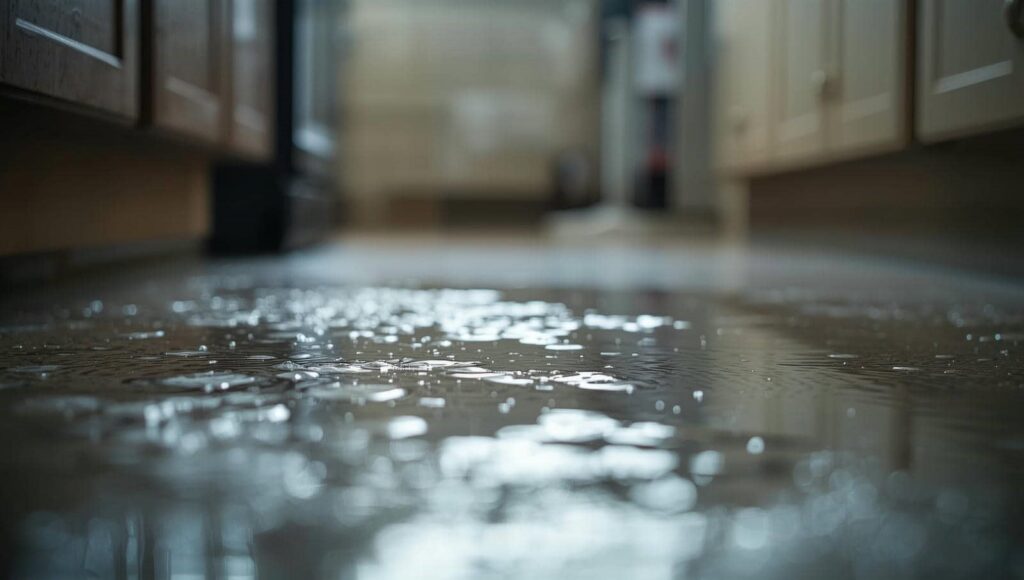
Flood Damage Recovery begins with protecting your safety before any cleanup starts. Make sure the property is safe to enter by checking for electrical hazards, structural damage, and contaminated floodwater, then wear appropriate protective equipment while assessing the affected areas. Document all damage for insurance purposes, remove standing water as quickly as possible, and begin thorough drying and disinfection to reduce the risk of mold growth and further structural damage. Following a safe, organized recovery process helps protect your health, preserve salvageable materials, and restore your property more efficiently after a flood.
Key Takeaways
- Prioritize safety by wearing protective gear and avoiding flood-damaged buildings until assessed by professionals.
- Conduct thorough inspections for water damage, mold, and structural integrity in your home.
- Document all damages with timestamped photos and detailed lists for insurance claims.
- Engage experienced flood recovery professionals to guide you through the restoration process.
- Implement preventative measures, like elevating structures and maintaining drainage systems, to reduce future flood risks.
How to Keep Safe During Flood Recovery
When you begin the recovery process after a flood, it’s vital to prioritize your safety. Start by gathering your emergency supplies, including first aid kits, flashlights, and bottled water. Familiarize yourself with safety protocols—these are your lifelines.
Make sure you wear protective gear like gloves and boots to shield yourself from contaminants. Avoid entering flood-damaged buildings until they’re deemed safe by professionals; hidden dangers like unstable structures lurk within.
Keep your phone charged and close at hand for emergencies. It’s essential to stay informed through local news updates and community resources.
Assessing Flood Damage: What to Look For
Once you’ve ensured your safety and gathered supplies, it’s time to start evaluating the flood damage.
Begin with visual inspections, focusing on walls, floors, and ceilings for signs of water intrusion or mold. Use flood assessment techniques, like looking for discoloration or warped surfaces, to gauge the extent of damage.
Next, conduct structural integrity checks by examining beams and foundations for cracks or instability. Don’t overlook electrical systems; if you notice any frayed wires or water exposure, it’s essential to call a professional.
Document your observations thoughtfully, as this helps you connect with others facing similar challenges. Remember, you’re not alone in this journey; your community is here to support you as you navigate recovery.
Documenting Flood Damage for Insurance
Accurate documentation of flood damage is essential for a successful insurance claim. Begin your damage assessment by taking clear, timestamped photos of all affected areas. Capture both wide shots for context and close-ups of specific damages, like water stains or structural issues.
Make a detailed list of damaged items, including descriptions, purchase dates, and estimated values; this will reinforce your claim. Keep receipts or records of repairs to further substantiate your losses. If possible, get a professional’s assessment to provide expert insight into the damages.
This thorough documentation strengthens your insurance claims and helps you feel more in control during a chaotic time. You’re not alone in this; many are facing similar challenges, and support is available.
Choose the Right Professionals for Flood Recovery
After documenting the flood damage, the next step is finding the right professionals to aid in your recovery. You’ll want to seek out flood recovery experts who specialize in restoration services tailored to your specific needs.
Look for those with proven experience and positive reviews, as their expertise can greatly ease your burden during this challenging time.
Don’t hesitate to ask questions about their methods, timelines, and costs; transparency is key. Engaging professionals who understand your emotional and physical challenges fosters a sense of belonging and support.
Tips to Prevent Future Flood Damage
While flood recovery is essential, taking proactive steps to prevent future damage is equally important. Start by implementing effective flood proofing techniques, such as elevating your home and using waterproof materials for basements. These measures not only protect your property but also foster a sense of security within your community.
Next, focus on drainage improvements. Verify gutters and downspouts are well-maintained, directing water away from your home. Consider installing a French drain or rain garden to manage excess water effectively.
Lastly, stay informed about local flood zones and participate in community planning initiatives. By taking these steps, you’re not just protecting your own home; you’re contributing to a resilient community that can withstand future floods together.
Frequently Asked Questions
How Long Does Flood Recovery Typically Take?
Flood recovery typically takes weeks to months. Your flood recovery timeline depends on factors like damage severity, insurance processing, and local resources. Patience and support from community can help you navigate this challenging process.
Can I Recover Without Insurance Coverage?
Yes, you can recover without insurance, but it’ll strain your personal finances. Prioritize emergency preparedness to access resources, community support, and relief programs. Connecting with others in similar situations can also provide invaluable assistance and encouragement.
What Items Are Most Vulnerable to Flood Damage?
What would you do if your cherished belongings were at risk? Water-damaged electronics, furniture, and documents are particularly vulnerable, affecting their value and your home’s structural integrity. Make informed decisions to protect them.
Are There Government Assistance Programs for Flood Recovery?
Yes, you can find federal aid and local resources to help with flood recovery. Check with FEMA for assistance programs, and reach out to community organizations that often provide additional support during these tough times.
How Can I Help My Neighbors During Recovery?
You can help your neighbors by offering community support, sharing recovery resources, and exploring volunteer opportunities. Don’t underestimate the power of emotional assistance; your kindness can foster a strong sense of belonging during this difficult time.
Wrap-Up
In the aftermath of a flood, rebuilding can feel overwhelming, yet it’s also a chance for renewal. As you navigate the recovery process—balancing safety with the hustle of restoration—remember that each step taken isn’t just about repairing damage, but about crafting a more resilient future. By staying vigilant and proactive, you’re restoring your space and fortifying your community against the unpredictable nature of floods. Embrace this journey, and let it inspire growth and strength.