
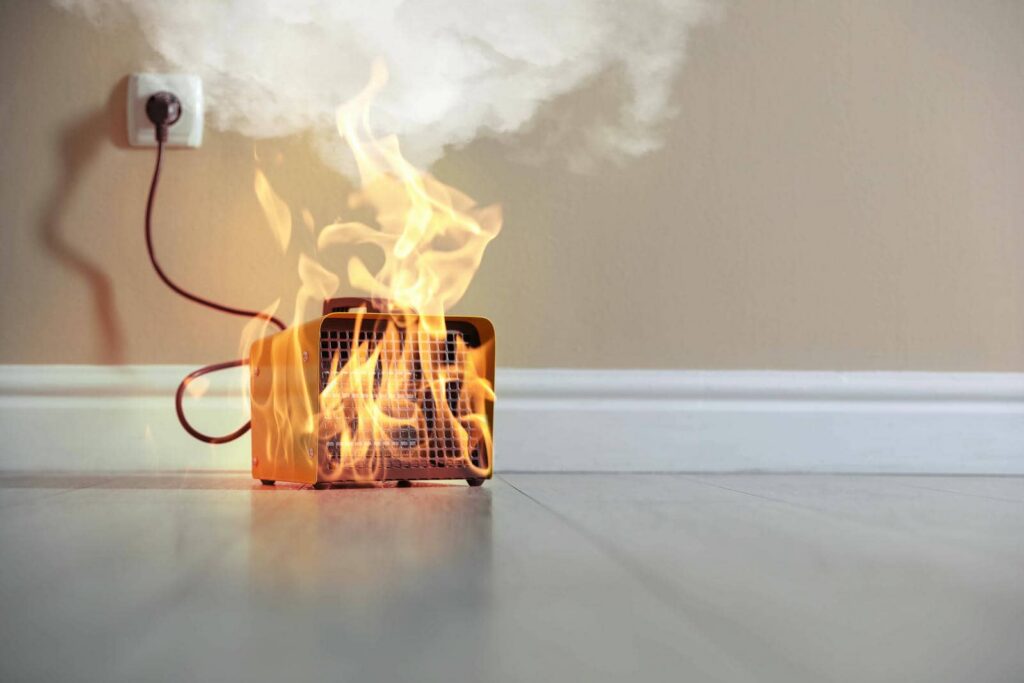
Smoke damage can be insidious, affecting your property and health in ways you might not immediately recognize. You need to understand its causes and effects to tackle the cleanup effectively. Evaluating the extent of the damage is vital, as is taking the right safety precautions. Knowing how to clean up and restore items properly can make a significant difference. Let’s explore these essential steps to ensure you’re fully prepared for the task ahead.
Key Takeaways
- Assess smoke damage through visual inspection and odor detection to prioritize cleanup efforts effectively.
- Use appropriate safety gear and ventilation methods to ensure a safe cleanup environment.
- Employ specialized cleaners and techniques tailored to different surfaces for thorough smoke residue removal.
- Consider professional services for extensive damage, complex insurance claims, and specialized equipment access.
- Implement fire prevention measures and regular maintenance to reduce future smoke damage risks.
Understanding Smoke Damage: Causes and Effects
Smoke damage is a complex issue that arises from the combustion of materials in a fire. When materials burn, they produce a variety of byproducts, including particulate matter, volatile organic compounds (VOCs), and toxic gases.
Understanding smoke composition is vital, as it directly affects the health impacts on individuals exposed to it. Inhalation of smoke can lead to respiratory issues, headaches, and even long-term complications like chronic bronchitis.
The combination of carbon monoxide and other chemicals can impair cognitive function and overall well-being. Recognizing these risks is fundamental for anyone dealing with smoke damage, as it underscores the importance of prompt cleanup and restoration efforts to ensure a safe environment for you and your loved ones.
Assessing the Extent of Smoke Damage in Your Property
To effectively assess smoke damage in your property, start with a thorough visual inspection to identify visible residues and discoloration.
Next, utilize odor detection methods to pinpoint lingering smoke smells that may indicate hidden damage.
Finally, evaluate the structural integrity of affected areas to ensure safety and determine necessary repairs.
Visual Inspection Techniques
While evaluating the extent of smoke damage in your property, a detailed visual inspection is essential. Start by looking for visual cues like discoloration on walls, ceilings, and furniture.
Soot residue often settles in corners or on surfaces, indicating areas that need focused attention. Use inspection tools such as flashlights to illuminate dark spaces and magnifying glasses for a detailed examination of materials.
Pay close attention to HVAC systems, as they can harbor hidden smoke particles. Document any findings with photographs, noting the severity and location of damage.
This meticulous approach not only helps in evaluating the situation but also guides your cleanup efforts effectively, ensuring you address all affected areas thoroughly.
Odor Detection Methods
Although visual inspection is essential, odor detection plays an important role in evaluating smoke damage.
You can utilize thermal imaging to identify hidden pockets of smoke residue that mightn’t be visible to the naked eye. This technology highlights temperature differences, revealing areas where smoke may have penetrated.
Next, conduct air quality tests to analyze the presence of volatile organic compounds (VOCs) and particulate matter. These tests provide crucial data on how smoke has affected your indoor environment.
Be sure to employ specialized odor detection tools, such as electronic noses or ozone generators, to quantify and mitigate lingering odors.
Structural Integrity Assessment
Evaluating the structural integrity of your property after smoke damage is vital, as it determines the safety and viability of the space.
Begin with a thorough structural examination, focusing on load-bearing walls, beams, and ceilings. Inspect for signs of warping, charring, or cracks, which could indicate compromised strength.
Next, conduct a damage evaluation by reviewing the extent of smoke infiltration in materials like drywall, insulation, and wood. Utilize specialized tools, such as moisture meters and thermal imaging, to identify hidden issues.
Engage professionals if you encounter significant damage or uncertainty; their expertise can ensure a detailed analysis.
Top Safety Precautions to Take Before Cleaning Smoke Damage
Before diving into smoke damage cleanup, it’s crucial to prioritize safety. Start by donning appropriate safety gear, including gloves, masks, and goggles, to protect yourself from harmful particles and irritants.
Make sure you have a high-quality respirator to maintain air quality, as smoke residue can contain toxic compounds.
Next, ventilate the area thoroughly by opening windows and using fans to circulate fresh air. This step minimizes inhalation risks and helps disperse lingering odors.
Additionally, check for structural hazards before entering. If you’re unsure about the stability, consult a professional.
How to Effectively Clean Up Smoke Damage
Once you’ve confirmed your safety and the area is properly ventilated, it’s time to tackle the smoke damage head-on.
Follow these effective cleanup techniques to ensure thorough restoration:
Assess the Damage: Identify affected areas and materials to prioritize your efforts.
Use Appropriate Cleaning Supplies: Gather specialized cleaners for soot removal and protective gear to minimize health risks.
Consider DIY Methods: For minor damage, employ methods like vinegar solutions or baking soda to neutralize odors.
Evaluate Professional Services: For extensive damage, consult experts who can handle insurance claims and provide advanced restoration strategies.
How to Remove Smoke Odors
To effectively remove smoke odors, you first need to identify the sources of the smoke, as lingering particles can embed themselves in various materials.
Next, you’ll employ specific cleaning techniques tailored to different surfaces, ensuring thorough removal of soot and residues.
Finally, incorporate odor neutralization methods that target persistent smells and restore fresh air quality.
Identify Smoke Sources
Identifying smoke sources is essential for effectively removing smoke odors from your space, especially after a fire or prolonged exposure to cigarette smoke. By pinpointing the origins of smoke, you can implement effective prevention strategies and improve air quality.
Fire sources: Look for areas where fires may have originated.
Smoke types: Differentiate between cigarette smoke and fire-related smoke; each requires unique approaches.
Ventilation: Check for areas where smoke may linger due to poor airflow.
Materials: Identify materials that absorb smoke, such as upholstery or carpets.
Understanding these factors allows you to target specific areas, ensuring thorough odor removal and enhancing your living environment.
Cleaning Techniques Overview
After pinpointing the sources of smoke, it’s time to focus on effective cleaning techniques to eliminate those persistent odors.
Start by wearing appropriate safety gear, including gloves and masks, to protect yourself from harmful residues. Use specialized cleaning agents designed for smoke damage; these can penetrate surfaces and break down odor-causing compounds.
For porous materials like fabrics and carpets, consider steam cleaning, which helps extract trapped odors.
Non-porous surfaces should be scrubbed with a mixture of water and vinegar or baking soda, both of which are effective in neutralizing odors.
Don’t forget to ventilate the area during the process, ensuring fresh air circulates. Each step matters in restoring your space to its original comfort and safety.
Odor Neutralization Methods
While smoke odors can cling stubbornly to surfaces, several effective neutralization methods can help restore your space. Here are some techniques you can implement:
Activated charcoal: Place it in containers around your home to absorb odors naturally.
Ozone generators: Use these cautiously; they can eliminate smoke odors but require proper ventilation.
Vinegar solutions: Mix equal parts of vinegar and water in a spray bottle to neutralize odors on surfaces.
Baking soda: Sprinkle it on carpets and upholstery, let it sit, then vacuum to absorb smells.
Other options include essential oils, enzyme cleaners, air purifiers, and thermal fogging.
Each method can contribute greatly to creating a fresh, welcoming environment in your home.
How to Restore Smoke-Damaged Items
Restoring smoke-damaged items requires immediate action to prevent further deterioration.
Start by evaluating the damage; prioritize items based on their material and value.
For porous materials like fabric or wood, utilize restoration techniques such as vacuuming with a HEPA filter to remove soot.
Consider using specialized cleaners designed for smoke residue.
For glass or metal, a mixture of vinegar and water can effectively lift grime.
Employ salvage strategies like soaking items in a gentle detergent solution or using ultrasonic cleaners for intricate objects.
Make sure you thoroughly dry everything to prevent mold growth.
Document your efforts for insurance claims, and remember, quick and systematic action is key to preserving your belongings.
When Should You Call in the Pros for Smoke Damage?
Determining when to call in professionals for smoke damage can be essential for effective restoration. If you encounter significant smoke damage, it’s vital to act promptly.
Here are some indicators that you should consider professional services:
Extent of Damage: If the damage is extensive, a damage assessment by restoration specialists can ensure proper care.
Health Risks: Smoke can pose health risks; professionals follow safety protocols to mitigate these.
Insurance Claims: Managing insurance claims can be complex; experts can assist with documentation.
Cleanup Equipment: Professionals use specialized cleanup equipment that you mightn’t have access to.
Tips to Prevent Future Smoke Damage
Once you’ve addressed any smoke damage, it’s important to take proactive steps to prevent future incidents. Start by implementing effective fire prevention measures, such as installing smoke detectors and regularly checking their batteries.
Create a fire escape plan and practice it with your family to ensure everyone knows what to do in case of an emergency.
Incorporating air filtration systems can greatly reduce smoke particles in your home. Invest in high-efficiency particulate air (HEPA) filters to improve indoor air quality.
Regularly vacuum and clean surfaces to minimize residue buildup. Avoid using candles or smoking indoors, as these can contribute to smoke damage.
Frequently Asked Questions
Can Smoke Damage Affect My Health Long-Term?
Yes, smoke damage can lead to long-term effects, including respiratory issues. Prolonged exposure to smoke particulates may cause chronic bronchitis or other lung conditions, potentially impacting your overall health and quality of life considerably.
Will Insurance Cover Smoke Damage Cleanup Costs?
Yes, insurance can cover smoke damage cleanup costs, but it depends on your insurance policies and their coverage limits. Always review your policy details to understand what’s included and any potential exclusions.
How Long Does Smoke Odor Linger in Materials?
Smoke odor can cling like glue for weeks, depending on material types. You’ll need effective odor removal techniques, like deep cleaning or ozone treatments, to eliminate it and restore your space to its original comfort.
What Are the Best Products for Smoke Damage Cleanup?
For smoke damage cleanup, use enzyme-based cleaners, activated charcoal, and ozone generators. Combine these with effective cleaning techniques like deep scrubbing and sealing surfaces to eliminate odors and restore materials. You’ll achieve the best results this way.
Can I Clean Smoke Damage Myself Safely?
Yes, you can safely tackle smoke damage with DIY cleanup. Ensure you wear protective gear, use proper cleaning agents, and ventilate the area. Follow safety precautions closely to minimize health risks and achieve effective results.
Final Thoughts
Effectively addressing smoke damage is essential for health and property restoration. For instance, imagine a family returning home after a small kitchen fire; they find their belongings coated in soot and permeated by lingering odors. By following the outlined steps—assessing damage, ensuring safety, and using the right cleaning techniques—they can reclaim their space. Remember, timely action and professional help when needed can greatly improve outcomes and prevent future issues. Prioritize safety and thoroughness in your cleanup efforts.