
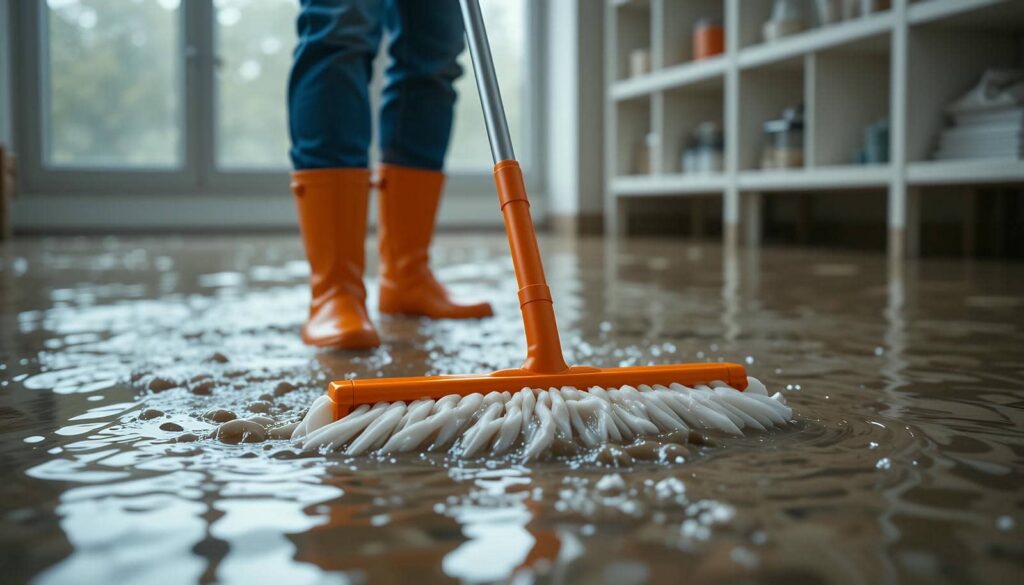
When you face water damage, quick action is essential. Start by evaluating the situation and shutting off utilities to prevent further issues. Document everything for insurance claims. You’ll need to remove standing water and improve air circulation to dry affected areas. Understanding the extent of the damage is key. What steps should you take next to ensure your space is safe and sound? Let’s explore effective techniques for a thorough cleanup.
Key Takeaways
Shut Off Utilities: Immediately turn off electricity and water supply to prevent further damage and ensure safety during cleanup.
Remove Standing Water: Use pumps, buckets, or wet vacuums to eliminate standing water quickly from affected areas.
Maximize Airflow: Open windows and set up fans or dehumidifiers to enhance air circulation and speed up drying.
Inspect for Mold: Regularly check for mold growth and apply a vinegar solution or baking soda to affected areas for small infestations.
Document Damage: Take photos and notes of the damage for insurance claims and future reference.
Immediate Steps to Take After Water Damage
When water damage occurs, taking immediate action can greatly reduce long-term effects.
First, assess the situation and identify the source of the water. If it’s safe, shut off the electricity and water supply to prevent further damage.
Next, contact your emergency contacts, such as a plumber or restoration service. Document the damage by taking photos, which will be essential for insurance claims.
Remove any standing water using a wet/dry vacuum, and start drying affected areas with fans and dehumidifiers.
Prioritize salvaging important items while being cautious of mold growth.
Finally, notify your insurance provider as soon as possible to initiate claims.
A quick response helps restore your space and provides peace of mind in a stressful situation.
Safety Precautions Before Starting Cleanup
Before you start cleanup, make certain to wear appropriate protective gear, including gloves, goggles, and masks.
Assess any potential electrical hazards by turning off power to affected areas to prevent shock.
Taking these precautions ensures your safety as you tackle the water damage.
Wear Protective Gear
To ensure your safety while tackling water damage cleanup, it’s essential to wear appropriate protective gear. Start with protective clothing, including waterproof gloves and durable boots, to shield yourself from contaminants and excess moisture.
A mask is vital to prevent inhalation of mold spores and other harmful particles. Consider wearing goggles to protect your eyes from splashes and debris. If the area is particularly hazardous, invest in a respirator for added respiratory protection.
Assess Electrical Hazards
After ensuring you’re equipped with the right protective gear, it’s essential to assess any electrical hazards in the affected area.
Start with a thorough circuit inspection; check for exposed wires or damaged outlets. If you see any signs of electrical damage, turn off the power at the main circuit breaker before proceeding. This step is vital for your electrical safety.
Use a voltage tester to confirm that outlets and switches are de-energized. Keep in mind that water can conduct electricity, increasing the risk of shock.
If you’re unsure about the safety of any electrical components, consult a professional electrician.
Prioritizing these precautions will help you create a safer environment for effective water damage cleanup.
How to Tell How Bad the Water Damage Is?
How can you accurately evaluate the severity of water damage in your home? Start with water source identification; pinpoint where the water came from—whether it’s a leak, flood, or overflow.
Next, employ damage assessment techniques to evaluate affected areas. Check for discoloration, warping, or mold growth, which indicate more severe damage. Use a moisture meter to gauge humidity levels in walls and floors; this helps determine how deep the damage extends.
Inspect insulation and structural elements, as hidden damage can escalate problems. Take detailed notes and photographs to document findings, aiding in any necessary insurance claims.
Effective DIY Techniques for Drying Out Areas
Once you’ve assessed the severity of the water damage, it’s time to focus on drying out affected areas. Start by maximizing air circulation; open windows and doors to promote airflow.
Consider using a dehumidifier to extract moisture efficiently, placing it in the most affected areas.
To further enhance your drying efforts, try these techniques:
- Set up fans to create a strong breeze.
- Use towels to soak up standing water.
- Remove carpets and upholstery for separate drying.
- Elevate furniture on blocks to prevent water absorption.
- Keep the HVAC system running to aid air circulation.
Implementing these methods will help you dry out the space effectively, reducing the risk of mold and further damage.
Cleaning Water-Damaged Surfaces
Once you’ve assessed the extent of surface damage, you’ll need to choose appropriate cleaning solutions tailored to the materials involved.
Understanding the right drying techniques is critical to prevent further issues like mold growth. This process ensures that your cleanup is thorough and effective.
Assessing Surface Damage
Before you plunge into the cleaning process, it’s essential to assess the extent of surface damage caused by water exposure. This surface evaluation helps you identify damage indicators that can guide your cleanup efforts effectively.
As you inspect the affected areas, look for:
Peeling paint that signals moisture retention
Warped wood revealing structural compromise
Mold growth indicates prolonged water exposure
Stains or discoloration on surfaces
Soft spots in drywall suggest hidden damage
Choosing Cleaning Solutions
Choosing the right cleaning solutions is essential for effective water damage cleanup. Start by evaluating the type of surfaces you’re cleaning; different materials require specific products.
For hard surfaces, a mixture of water and mild detergent usually works well. If you’re looking for eco-friendly options, consider vinegar or baking soda, which are both safe and effective.
Always check the solution’s effectiveness against mold and mildew, as these can develop quickly after water exposure. Remember, any cleaner you use should be safe for your environment, especially if you have pets or children.
Finally, don’t forget to wear protective gear to keep yourself safe while cleaning. Your health is just as important as restoring your space.
Drying Techniques Explained
Effective drying techniques are crucial for preventing further damage after water exposure. Implementing the right strategies can greatly enhance dehumidifier effectiveness and ensure thorough drying.
Here are some quick methods you can use:
Utilize a dehumidifier to extract moisture from the air.
Open windows and doors to improve ventilation strategies, promoting air circulation.
Use fans to direct airflow towards damp surfaces.
Remove soaked materials, like carpets and rugs, to speed up drying.
Target hard-to-reach areas with a moisture meter to confirm all spots are dry.
Mold Prevention and Effective Remediation Techniques
Mold can become a serious issue in water-damaged areas, but with the right prevention and remediation techniques, you can minimize its impact.
First, control moisture levels by using dehumidifiers and ensuring proper ventilation. Inspect your home regularly to catch potential mold growth early.
If you find mold, act quickly. Use a solution of water and detergent or a commercial mold remover to scrub affected areas. For larger infestations, consider professional remediation strategies.
Seal any leaks to prevent future moisture intrusion and maintain humidity below 60%. After cleanup, monitor the area closely for signs of regrowth.
With these proactive measures, you can safeguard your home and foster a healthy living environment.
Fixing Water-Damaged Walls and Floors
Water-damaged walls and floors can lead to structural issues if not addressed promptly.
Start by evaluating the damage and gathering your tools. For effective wall repair and floor replacement, follow these steps:
- Remove any wet drywall, exposing the underlying structure.
- Dry the area thoroughly to prevent mold growth.
- Replace damaged insulation and install new drywall, ensuring a secure fit.
- Use a level to check for structural integrity and evenness.
- Finish with paint or flooring that matches your existing decor.
Natural Odor Removal for Water Damage
To effectively combat odors from water damage, you can utilize a vinegar and water solution or apply baking soda.
Mix equal parts vinegar and water in a spray bottle and apply it to affected areas.
For baking soda, sprinkle it generously on surfaces, let it sit for a few hours, then vacuum it up to absorb lingering smells.
Vinegar And Water Solution
A simple yet effective solution for tackling odors caused by water damage involves mixing equal parts vinegar and water. This vinegar-and-water solution neutralizes unpleasant smells and offers vinegar benefits, such as antibacterial properties.
To make the most of this cleaning ratio, follow these steps:
- Combine equal parts vinegar and water in a spray bottle.
- Spray the affected areas generously.
- Allow it to sit for 10-15 minutes.
- Wipe down surfaces with a clean cloth.
- Repeat as needed until odors are eliminated.
This method is efficient, budget-friendly, and natural, making it an ideal choice for anyone looking to restore their space.
Don’t underestimate the power of this simple mixture in your cleanup efforts!
Baking Soda Application
Baking soda is a powerful ally in natural odor removal, especially after water damage. Its chemical properties make it effective for odor neutralization, absorbing unwanted smells from carpets, furniture, and other affected areas.
To use baking soda, sprinkle a generous amount on the impacted surfaces and let it sit for at least 15 minutes. This allows the baking soda to penetrate and absorb odors. Afterward, vacuum thoroughly to remove the baking soda and the trapped odors.
For persistent smells, consider mixing baking soda with essential oils for added fragrance, enhancing its effectiveness. This simple, cost-effective approach helps eliminate odors and promotes a fresher, cleaner living environment.
Embrace this natural solution to reclaim your space.
When to Call Professionals for Help?
How can you determine when it’s time to call in the experts for water damage cleanup? If you’re facing significant issues, don’t hesitate to seek professional assessment.
Here are some signs it’s time to reach out to emergency services:
- Water pooling in hard-to-reach areas
- Persistent mold growth despite your efforts
- Structural damage or warping in walls and floors
- Stagnant water that’s unmanageable
- Unpleasant odors indicate hidden moisture
Ignoring these signs can lead to greater damage and health risks.
Professionals have the equipment and expertise to handle extensive water damage safely and efficiently, ensuring your home is restored to its original condition.
Don’t wait—your peace of mind is worth it.
Tips for Future Water Damage Prevention
To effectively prevent future water damage, it’s crucial to regularly inspect and maintain your home’s plumbing and drainage systems. Check for leaks, corrosion, and blockages at least quarterly.
Make sure your gutters and downspouts are clear to direct water away from your foundation. Consider investing in water-resistant materials for areas prone to moisture, like basements and bathrooms; these can greatly reduce damage risk.
Additionally, install sump pumps and backflow valves to manage excess water effectively. If you live in a flood-prone area, elevate appliances and utilities.
Finally, keep an emergency kit handy, including tools for quick repairs. By staying proactive with plumbing maintenance and material choices, you’ll create a safer, more resilient environment for your home and family.
Frequently Asked Questions
What Types of Water Cause Different Levels of Damage?
Different water types cause varying damage levels. Flood damage, often clean or gray water, can lead to structural issues. Sewage cleanup involves hazardous waste, resulting in severe contamination and health risks. Act promptly to mitigate effects.
Can I Use a Regular Vacuum for Water Cleanup?
No, you can’t use a regular vacuum for water cleanup. For effective water extraction, use a wet/dry vacuum specifically designed for handling liquids, ensuring safety and efficiency in your cleanup efforts.
How Long Does It Typically Take to Dry Out Water Damage?
How long does it usually take to dry out water damage? With proper drying equipment and effective drying methods, you can expect noticeable results in 24 to 48 hours. Don’t underestimate the importance of efficient techniques!
Will Insurance Cover My Water Damage Cleanup Costs?
Yes, your insurance may cover water damage cleanup costs, but it depends on your policy’s coverage limits. You’ll need to follow the claim process, documenting damages and expenses to ensure proper reimbursement.
What Are the Signs of Hidden Water Damage?
You might notice a musty smell or see discoloration on the walls. In a friend’s basement, hidden water damage caused mold growth, threatening structural integrity. Check for damp spots, peeling paint, or warped floors to catch issues early.
Recap
In the face of unexpected water damage, your quick actions can make all the difference. By evaluating the situation and implementing effective DIY techniques, you mitigate immediate risks and set the stage for long-term safety. Ironically, the very chaos of water damage can lead to a more resilient space, reminding you to stay vigilant. With regular inspections and preventative measures, you can coincide preparedness with peace of mind, ensuring a safer environment for the future.