
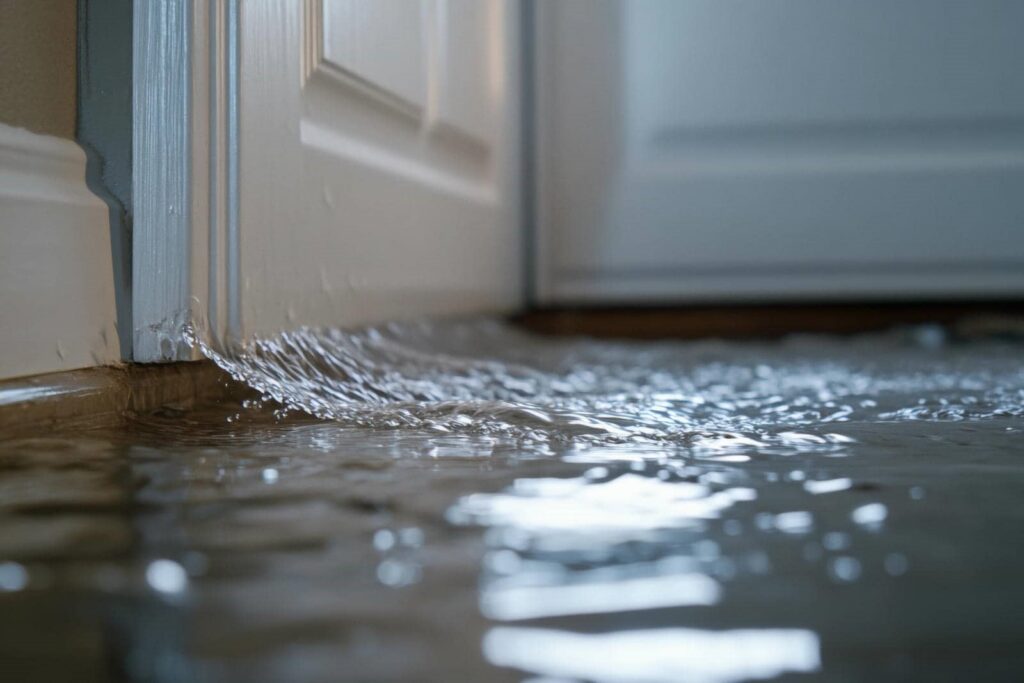
When you’re faced with filing a water damage insurance claim, knowing how to navigate the claims process can make all the difference. By carefully documenting the damage, understanding your policy’s nuances, and maintaining communication with your adjuster, you can greatly improve your chances of a successful claim. Let’s explore these essential tips to ensure you’re adequately prepared.
Key Takeaways
- Document all damage thoroughly with clear photographs and a detailed inventory of affected items, including their estimated value and condition.
- Review your insurance policy to understand coverage limits and exclusions specific to water damage claims.
- Stay proactive by regularly checking claim status and maintaining open communication with your claims adjuster.
- Keep a record of all interactions and documentation to strengthen your claim and facilitate the process.
- Be prepared for potential negotiations by having all relevant evidence and details organized for discussion.
Document Damage Before Filing
Before you file a water damage insurance claim, it’s essential to document the damage thoroughly. Start by taking clear photographic evidence of all affected areas. Make sure your photos capture details from various angles, highlighting the extent of the damage.
Next, create a detailed damage inventory that lists all items affected, including their estimated value and condition. This inventory supports your claim and helps you stay organized during the process.
Don’t forget to note any repairs you’ve attempted or costs incurred; this information can be pivotal in negotiations. By collecting this documentation, you strengthen your case and facilitate a smoother claims process, increasing your chances of receiving the compensation you deserve.
Understand Your Policy’s Coverage and Exclusions
How well do you understand your insurance policy’s coverage and exclusions? Knowing your policy limits is essential when filing a water damage claim.
Start by reviewing the coverage details to see what damages are included. Many policies have common exclusions, such as flooding from outside sources or neglect-related damage, which can catch you off guard. Understanding these exclusions helps you set realistic expectations for your claim.
Additionally, familiarize yourself with the limits of what your insurer will pay out; this can vary considerably between different policies. By thoroughly understanding your coverage, you empower yourself to navigate the claims process more effectively and reduce potential frustration when faced with water damage.
Follow Up on Your Water Damage Insurance Claim
Following up on your water damage insurance claim is essential to ensure a smooth process and timely resolution. Start by regularly checking your claim status; this keeps you informed and demonstrates your commitment.
Don’t hesitate to reach out to your adjuster for updates. Clear, consistent adjuster communication can help clarify any questions and streamline the process. When you contact them, be prepared with relevant details, such as your policy number and dates of damage.
Document all interactions to maintain a record of your follow-ups. This proactive approach fosters a sense of belonging in the claims process and helps ensure that your needs are met efficiently.
Stay engaged, and you’ll navigate your claim more effectively.
Frequently Asked Questions
How Long Do I Have to File a Water Damage Claim?
You typically have one to two years to file a water damage claim, depending on your policy. Be sure to gather all necessary documentation quickly to adhere to the claim timeline and avoid potential issues.
Can I File a Claim for Existing Water Damage?
You can’t file a claim for existing water damage unless your policy coverage specifically includes that. It’s essential to understand your existing conditions and policy details to navigate potential claims successfully. Make sure you’re informed!
What if My Claim Is Denied?
If your claim’s denied, review the denial reasons carefully. You can initiate the claim appeal process by gathering supporting documents and clarifying any misunderstandings. Persistence often leads to successful resolutions in these situations.
Will My Premiums Increase After Filing a Claim?
Yes, your premiums might increase after filing a claim. Studies show that filing a claim can raise premium rates, especially if claim frequency increases, impacting your overall insurance costs considerably.
Can I Hire a Public Adjuster for Assistance?
Yes, you can hire a public adjuster. They’ll navigate the claim process, ensuring you understand your rights and maximizing benefits. Their expertise often results in better settlements, making them a valuable ally during stressful times.
Recap
Filing a water damage insurance claim can feel overwhelming, but a little preparation goes a long way. Imagine documenting your damage only to discover your policy doesn’t cover it—what a coincidence that could be! By understanding your coverage and staying in touch with your adjuster, you can navigate the claims process more effectively. Keep these tips in mind, and you’ll increase your chances of receiving the compensation you deserve when unexpected water damage strikes.