
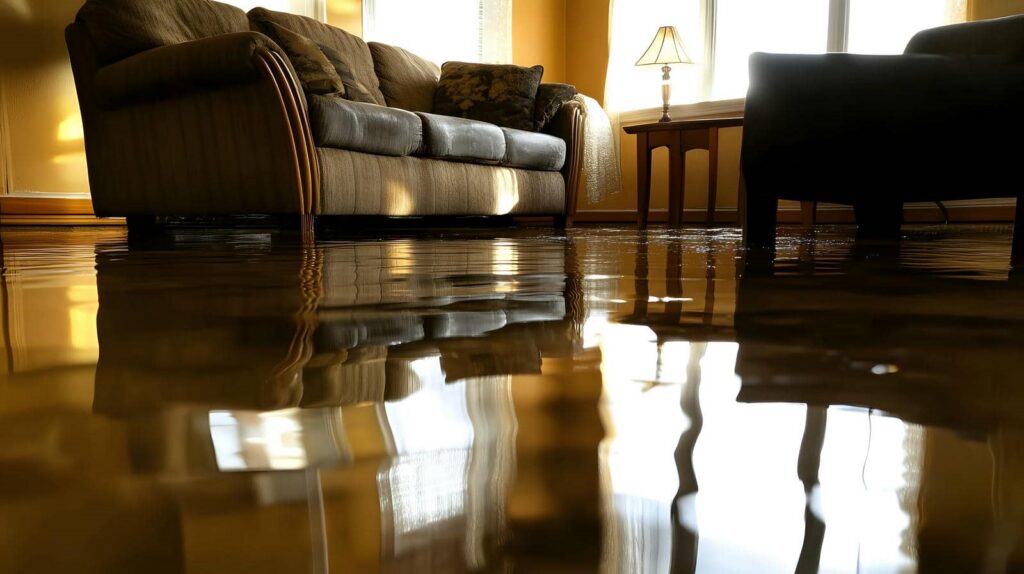
Restoring Your Home After Flooding begins with a safe, organized response to minimize damage and speed up recovery. Before starting cleanup, check for structural and electrical hazards, document the damage for insurance purposes, and stop the source of the water if possible. Remove standing water promptly, dry the affected areas with professional equipment, and clean and disinfect all surfaces to help prevent mold growth and further deterioration. Following the proper restoration process helps protect your home, preserve salvageable belongings, and restore your property safely and efficiently after a flood.
Key Takeaways
- Quickly assess flood damage and document it for insurance claims before entering the home.
- Ensure safety by turning off utilities and wearing protective gear during the restoration process.
- Use sump pumps and wet/dry vacuums for effective water removal from affected areas.
- Dry and sanitize impacted spaces promptly to prevent mold growth and structural damage.
- Implement preventive measures, such as installing flood barriers and maintaining drainage systems, for future protection.
How to Assess Flood Damage and Prioritize Repairs
After a flood, evaluating the damage quickly is essential for effective restoration. Start by taking photos and notes to create thorough damage documentation. This will be important for filing your flood insurance claim.
Walk through your home, focusing on areas like the basement, walls, and electrical systems. Look for signs of mold or structural issues, as these can escalate if not addressed promptly.
Prioritize repairs based on safety and health risks; for instance, addressing electrical hazards should come first. Once you’ve assessed the damage, consult with professionals if needed.
Stay Safe: What to Do Before Entering Your Flooded Home?
Before you step inside your flooded home, assess the structural integrity first to verify it’s safe.
Turn off utilities immediately to prevent any electrical hazards or gas leaks.
Always wear protective gear to shield yourself from contaminants and sharp debris.
Assess Structural Integrity First
When you’re ready to enter your flooded home, evaluating the structural integrity is essential for your safety.
Start with a thorough foundation inspection and structural assessments. Here are key steps to follow:
Check for cracks: Look for visible cracks in walls or the foundation that could indicate serious damage.
Inspect beams and supports: Confirm that load-bearing beams are intact; any sagging can signal instability.
Examine the roof: Look for water damage or sagging, which could lead to collapse.
Assess the flooring: Test for soft spots or warping that may suggest hidden issues beneath the surface.
Taking these steps helps you ensure a safe environment for your loved ones as you begin the restoration journey together.
Turn Off Utilities Immediately
Turning off utilities is essential for your safety as you prepare to enter your flooded home. Before stepping inside, make sure to shut off the main power supply and gas lines. This step prevents potential hazards like electric shocks and gas leaks.
If you’re unsure how to do this, contact your utility company or refer to your emergency contacts for guidance.
Additionally, check your flood insurance policy to understand your coverage and any claims you may need to file later. Document the damage for your insurance provider.
Wear Protective Gear Always
Wearing protective gear is vital for your safety as you prepare to enter a flooded home. The risks are real, and you want to ensure you’re fully protected. Here’s what you need:
Protective clothing: Wear long sleeves and pants to shield your skin from contaminants.
Waterproof boots: These keep your feet dry and protect against sharp objects.
Gloves: Use heavy-duty gloves to prevent cuts and exposure to harmful substances.
Mask: A mask can help you avoid inhaling mold spores or other pollutants.
Taking these precautions safeguards you and gives you peace of mind.
Your home is important, and by prioritizing your safety with proper safety equipment, you’re taking a significant step in the restoration process.
Remove Standing Water Quickly and Effectively
Once you’ve confirmed it’s safe to enter, act quickly to remove standing water.
Use sump pumps for large amounts and wet/dry vacuums for smaller areas, and don’t forget to open windows for better airflow.
The sooner you start, the less damage you’ll face down the line.
Use Sump Pumps Efficiently
Choose the Right Pump: Consider submersible or pedestal models based on your needs.
Position Wisely: Place the pump in the lowest area to capture the most water.
Check the Power Supply: Confirm you have a reliable power source; consider a generator for emergencies.
Inspect Regularly: Maintain your pump by checking for clogs and testing it monthly.
Employ Wet/Dry Vacuums
When flooding occurs, having a wet/dry vacuum on hand can make a significant difference in removing standing water quickly and effectively. These powerful tools offer numerous benefits, including the ability to handle both wet and dry debris, making them versatile for your restoration efforts.
To use a wet vacuum properly, make sure it’s suited for the amount of water you’re dealing with and check that it’s in good working condition. Start by removing any furniture or obstacles, then vacuum the water from the floors.
It’s crucial to empty the tank frequently to maintain suction efficiency. With a wet/dry vacuum, you’ll reclaim your space faster, helping your home return to normal and creating a safe environment for your loved ones.
Open Windows For Airflow
To effectively reduce moisture levels in your home after flooding, opening windows can greatly enhance airflow. Fresh air helps improve air quality and promotes drying.
Here are some practical steps to take into account:
Open all windows: Let the breeze in to push out stale, humid air.
Use fans: Direct them toward the windows to circulate air effectively.
Create cross-ventilation: Open windows on opposite sides of your home for ideal airflow.
Monitor humidity: Keep an eye on levels; aim for below 60% to discourage mold growth.
Next Steps: Drying Your Home After Flooding
Once the floodwaters recede, your immediate priority should be drying your home to prevent further damage.
Start by using fans to enhance air circulation throughout the affected areas. Open windows to let in fresh air, but if humidity is high outside, keep them closed.
Dehumidifier usage is essential; set it up in the dampest rooms to extract moisture effectively.
Check for hidden pockets of water in walls and floors, and use moist towels to wipe down surfaces.
If possible, remove wet carpets and furniture to speed up the drying process.
Remember, the faster you act, the less likely you’ll face long-term issues like mold.
Stay focused and methodical—you’re on the right path to restoring your home.
Sanitize Affected Areas Effectively
As you begin the sanitization process, it’s essential to tackle all affected areas promptly to minimize health risks. This can be overwhelming, but taking these steps will help ensure your home is safe and welcoming again:
Remove contaminated materials: Get rid of wet drywall, carpet, and furniture to prevent mold growth.
Use effective disinfectants: Apply solutions specifically designed for flood damage to kill germs and bacteria.
Thoroughly clean surfaces: Scrub all surfaces, focusing on corners and crevices where moisture can linger.
Promote mold prevention: Ensure proper ventilation and use dehumidifiers to keep humidity levels low.
Repair or Replace Damaged Structures
Evaluating the damage is essential before deciding whether to repair or replace compromised structures in your home.
Start by examining areas like walls, flooring, and ceilings for signs of mold or structural instability. If you find extensive damage or mold growth, consider mold remediation services to ensure a safe environment.
For minor issues, repairing might be the best option, but always weigh the long-term benefits. Document all damage for your insurance claims, as this can help cover repair or replacement costs.
Prevent Future Flooding With Strategic Improvements
To effectively prevent future flooding, you’ll want to implement strategic improvements that enhance your home’s resilience. Consider these essential upgrades:
Upgrade drainage systems to efficiently manage stormwater.
Implement landscape grading to direct water away from your foundation.
Install flood barriers to protect entry points during heavy rains.
Integrate rain gardens to absorb excess water naturally.
Additionally, consider using waterproof materials in vulnerable areas and installing a sump pump for extra protection.
Employ elevation techniques to raise critical components above potential flood levels.
Frequently Asked Questions
What Insurance Coverage Is Available for Flood Damage?
You’ve got several flood insurance options, like the National Flood Insurance Program, which offers specific coverage limits. Check your policy details to ensure you’re protected against potential damages and understand any exclusions that might apply.
How Long Does It Take to Fully Restore a Flooded Home?
It typically takes three to six months to fully restore a flooded home. Effective drying techniques and mold prevention are essential during this time to ensure a safe, healthy environment for you and your loved ones.
Can I Claim Flood Damage on My Taxes?
Yes, you can claim flood damage on your taxes if you itemize deductions. Keep records of your expenses and consult a tax professional to ensure you maximize your tax deductions related to the damage.
What Personal Items Should I Keep After Flooding?
You should keep sentimental items like family photos, heirlooms, and cherished mementos. Focus on restoration priorities by salvaging items that hold emotional value, ensuring they’re protected or restored as you rebuild your space.
How Can I Find Reliable Contractors for Repairs?
Finding reliable contractors feels like searching for a needle in a haystack! Focus on contractor qualifications, ask for recommendations, and follow a thorough vetting process to ensure you’re making the best choice for your home.
Final Thoughts
Restoring your home after flooding can feel overwhelming, but taking it step by step makes it manageable. By prioritizing safety, removing water quickly, and addressing repairs effectively, you can reclaim your space. Don’t forget to implement preventive measures to safeguard against future flooding. After all, wouldn’t you rather be prepared than face the same issues again? With diligence and care, you can restore not just your home, but your peace of mind too.