
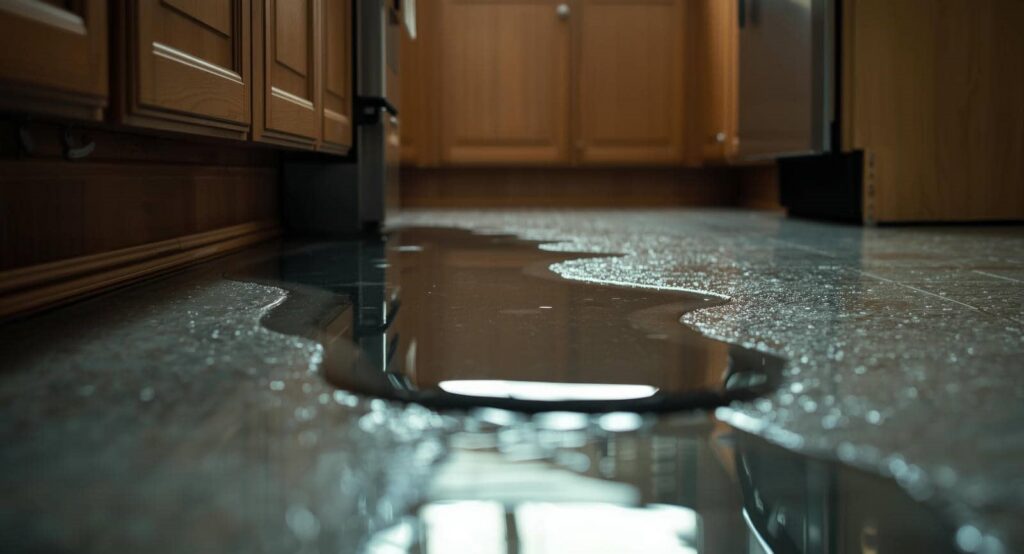
If you find yourself facing water damage, it’s vital to know how to navigate the insurance claim process effectively. Understanding what to do immediately after the damage, what your policy covers, and how to submit your claim can make a significant difference in your recovery. Let’s explore these essential steps to ensure you’re prepared for the unexpected.
Key Takeaways
Assess and Document Damage: Take clear photos of the damage and create a detailed list of affected items with their descriptions and values.
Review Your Insurance Policy: Understand your coverage, including what’s included and excluded, to prepare for the claims process effectively.
Contact Your Insurance Adjuster: Communicate openly with your adjuster to clarify any questions and ensure all necessary documentation is included.
Submit Your Claim Promptly: Organize evidence and submit your claim as soon as possible to expedite processing and minimize delays.
Follow Up Regularly: Keep in touch with your insurance company to ensure your claim is being processed in a timely manner.
What to Do Immediately After Water Damage?
When you discover water damage, act quickly to minimize its impact. First, turn off the water source to stop further damage.
Next, contact your emergency contacts, such as a plumber or restoration service, to assess the situation. While waiting for help, gather your cleanup supplies.
Use mops and towels to soak up excess water, and if safe, use a wet/dry vacuum for quicker removal. Open windows to promote airflow and dry out the area.
Don’t forget to document the damage with photos for your insurance claim later. Prioritize safety; avoid electrical hazards and structural risks.
Following these cleanup tips can greatly reduce the damage and make the recovery process smoother.
What Your Water Damage Insurance Covers and Excludes?
Understanding what your water damage insurance covers and excludes is vital for effective claims processing.
Generally, your policy may cover sudden and accidental water damage, like burst pipes or appliance leaks, but it’s important to check your coverage limits.
Additionally, certain types of damage, such as those caused by floods or long-term leaks, typically fall under policy exclusions.
Familiarizing yourself with these details can prevent surprises when you file a claim.
You might find that while structural damage is covered, personal belongings may not be fully included, depending on your plan.
Always read your policy carefully to ensure you know what you can expect during the claims process.
This knowledge empowers you to advocate for your needs effectively.
How to Submit Your Claim for Faster Processing?
Knowing what your policy covers is just the first step; the next is submitting your claim efficiently.
To ensure faster processing, follow these claim documentation tips:
Gather Evidence: Take clear photos of the damage from multiple angles.
List Damaged Items: Document everything affected, including descriptions and values.
Contact Your Adjuster: Establish open lines of communication with your insurance adjuster to clarify any questions.
Submit Promptly: Send your claim as soon as possible, including all necessary documentation.
Frequently Asked Questions
How Long Do I Have to File a Water Damage Claim?
You typically have between 30 to 90 days to file a claim, but it varies based on your policy specifics. Always check your policy for exact claim timeframes to ensure you don’t miss deadlines.
What Documentation Is Needed for My Claim?
You’ll need necessary forms like your insurance policy, photos of the damage, repair estimates, and any receipts. This documentation streamlines the claim process, helping your insurer assess and process your claim efficiently.
Will My Premium Increase After Filing a Claim?
Yes, filing a claim can impact your premium rates. Insurers often adjust rates based on claim history, so it’s possible you’ll see an increase after submitting a water damage claim. Consider this when deciding.
Can I Hire My Own Contractor for Repairs?
Yes, you can hire your own contractor for repairs. Just ensure they provide detailed estimates for repair costs. Your insurer may need to approve the contractor selection to cover expenses under your policy.
How Will My Claim Be Evaluated?
Your claim’s like a puzzle; the insurance adjuster pieces it together using claim assessment criteria. They’ll evaluate damages, costs, and coverage, ensuring you get a fair resolution. Stay informed and engaged throughout this process.
Summary
In the aftermath of water damage, staying swift and strategic is essential. By documenting damage diligently, deciphering your policy’s details, and submitting your claim speedily, you’ll set yourself up for success. Don’t forget to foster frequent follow-ups with your adjuster for seamless processing. With these steps, you’ll navigate the claims process with confidence, ensuring that your losses are lessened and your recovery is on the right track. Act now, and reclaim your peace of mind!