
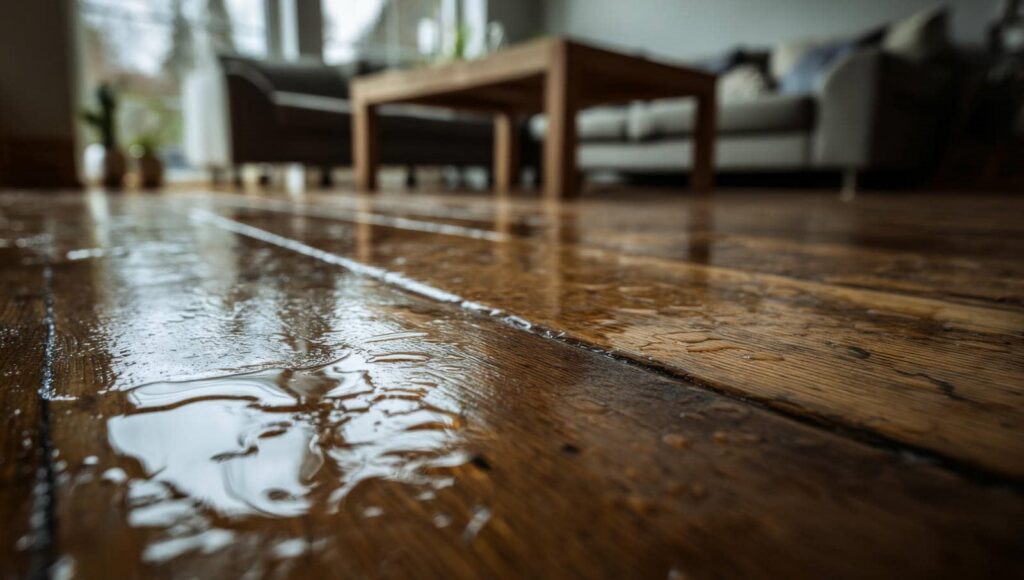
Recovering from flood damage is like piecing together a shattered mirror; every fragment needs careful attention. You might feel overwhelmed by the chaos, but understanding the right steps can guide you through. First, evaluating the damage is essential, as it sets the stage for effective cleanup. Then, knowing how to prevent mold can save you from future headaches. What happens next might surprise you, especially when it comes to knowing when to seek professional help.
Key Takeaways
- Assess visible damage and structural integrity immediately to understand the extent of the flood impact.
- Extract standing water quickly using pumps or wet vacuums to prevent further damage.
- Dry out affected areas thoroughly using fans and dehumidifiers to minimize mold growth.
- Clean surfaces with water and detergent, applying mold inhibitors to prevent future issues.
- Consult flood cleanup experts for professional assistance and to navigate insurance claims effectively.
Assessing Flood Damage: What to Look For
When you evaluate flood damage, it’s essential to approach the situation methodically, as this will help you identify the extent of the impact on your property.
Start by documenting visible damage, including water stains and warped materials. Check your walls, floors, and foundation for signs that could compromise structural integrity.
Look for mold growth, which can pose health risks if not addressed quickly. If you have flood insurance, review your policy to understand coverage for repairs.
Remember, evaluating the damage isn’t just about the immediate impact; it’s about ensuring your home remains a safe haven.
With a careful evaluation, you can make informed decisions and take meaningful steps toward recovery, fostering a sense of stability and belonging in your community.
Cleanup Steps: Water Removal and Mold Prevention
After evaluating the flood damage, the next step is to focus on cleanup, particularly water removal and mold prevention.
Begin with water extraction; use pumps or wet vacuums to remove standing water efficiently. This initial step is essential in preventing further damage and minimizing mold growth.
Once the water’s gone, dry out your space thoroughly by opening windows and using fans or dehumidifiers.
Next, prioritize mold remediation. Clean any affected surfaces with a mixture of water and detergent, and consider using specialized mold inhibitors.
Be vigilant about moisture levels in your home; maintaining a dry environment is key to preventing future mold issues.
Know Your Limits: When to Hire Flood Cleanup Experts
Guiding through the aftermath of a flood can be overwhelming, and knowing when to call in professionals can make all the difference.
If you’re facing extensive damage, like structural issues or significant water contamination, it’s time to contemplate expert help. Flood cleanup specialists not only expedite the restoration timeline but also ensure your home is safe and compliant with local regulations.
They can assist with insurance claims, helping you navigate the paperwork and maximize your coverage. If you feel uncertain about the extent of the damage or lack the necessary tools, hiring professionals can alleviate that burden.
Frequently Asked Questions
How Can I Prevent Future Flood Damage in My Home?
To prevent future flood damage, invest in effective drainage systems, install sump pumps, explore waterproofing solutions, and make landscaping improvements. These steps help protect your home and create a safer, more secure environment for you.
What Should I Do if I Have Flood Insurance?
Think of flood insurance as a safety net. Start the claims process immediately, documenting damage and understanding your coverage limits. This ensures you navigate recovery with clarity, support, and a sense of community. You’re not alone.
Are There Any Government Assistance Programs for Flood Recovery?
Yes, you can access federal grants and local resources for flood recovery. Reach out to your local government or FEMA for assistance programs tailored to your needs. You’re not alone in handling this challenging situation.
How Long Does the Flood Recovery Process Typically Take?
Flood recovery can feel like an eternity, but it typically takes weeks to months. Your flood recovery timeline depends on various factors, including damage severity, resources available, and community support throughout the recovery process.
What Health Risks Are Associated With Floodwaters?
Floodwaters pose serious health risks, including waterborne diseases like cholera and leptospirosis. Additionally, the emotional toll can strain your mental health. It’s essential to seek support and stay informed as you navigate these challenges together.
Review
In the aftermath of flood damage, think of your home as a phoenix, ready to rise anew. By evaluating the destruction, conducting thorough cleanup, and preventing mold, you’re not just restoring a space; you’re nurturing resilience. Each step you take symbolizes hope and renewal, transforming despair into strength. Remember, when the waters recede, it’s your determination and care that will rebuild not just walls, but a safe haven for you and your loved ones.