
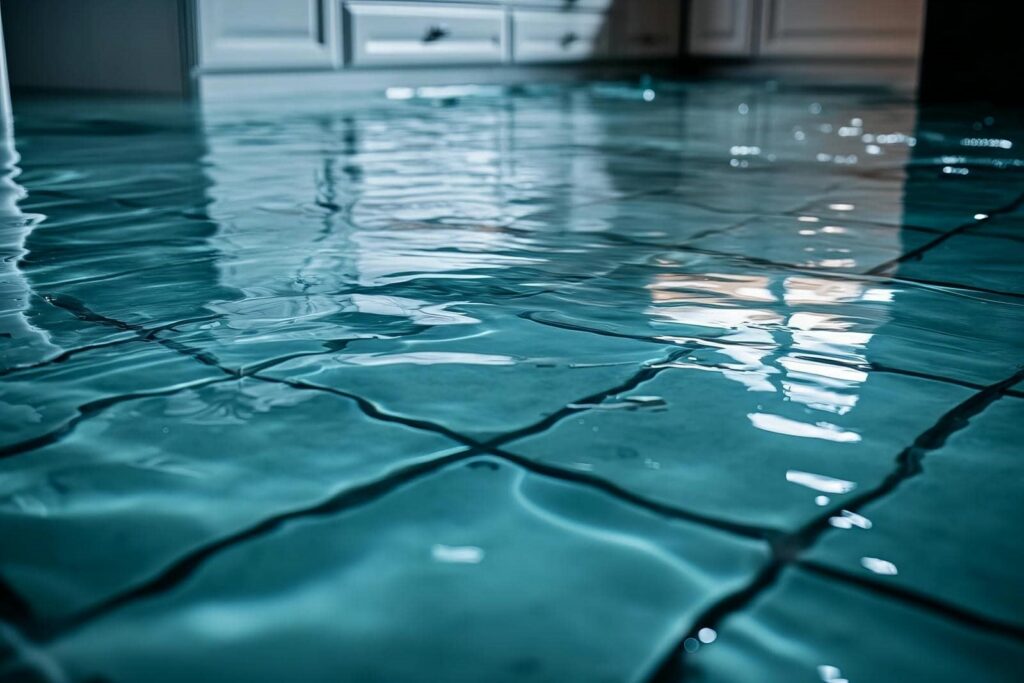
Restore Your Home After Flood by taking immediate action to reduce damage and protect your property. Before beginning any cleanup, make sure the home is safe to enter by checking for electrical and structural hazards, then document the damage for insurance purposes. Remove standing water as quickly as possible, thoroughly dry all affected areas, and clean and disinfect surfaces to help prevent mold growth and further deterioration. Following a structured restoration process helps protect your home, preserve salvageable materials, and restore your property safely and efficiently after flooding.
Key Takeaways
Assess Damage Thoroughly: Conduct visual inspections, document findings with photos, and use moisture meters to evaluate the extent of flood damage.
Prioritize Safety: Ensure structural integrity before entering, avoid standing water, and gather emergency supplies for personal safety.
Remove Water Promptly: Use sump pumps and wet/dry vacuums within 24-48 hours to eliminate standing water and prevent mold growth.
Inspect Electrical Systems: Turn off the main power, check for visible damage, and consult a licensed electrician for necessary repairs.
Implement Long-Term Solutions: Install flood barriers, improve drainage, and maintain gutters to prevent future flooding and protect your home.
How to Assess Flood Damage Effectively
When you’re faced with the aftermath of a flood, evaluating the damage is essential for effective restoration. Start by using flood assessment techniques, such as visual inspections and moisture meters, to identify affected areas.
Look for water stains, warped floors, and mold growth, as these are indicators of deeper issues. Utilize damage evaluation tools like infrared cameras to detect hidden moisture behind walls.
Document everything with photos and notes; this will aid in insurance claims and future repairs. Don’t forget to assess the condition of your appliances, electrical systems, and structural integrity.
Prioritize Safety: Your First Steps
Although the floodwaters may have receded, prioritizing safety is essential before you begin any restoration efforts.
First, verify your home is safe to enter; check for structural damage and avoid any standing water. Gather your emergency supplies—like flashlights, batteries, and first aid kits—as you might need them.
If you haven’t already, establish an evacuation plan for your family, just in case conditions worsen. Communicate openly with your loved ones about safety measures, confirming everyone knows their roles.
Keep children and pets away from hazardous areas. Remember, rushing into restoration without considering safety can lead to injuries or worsen the damage.
Your well-being is the top priority as you work toward restoring your home.
Document Everything: The Importance of Evidence
After ensuring your safety, it’s essential to document everything related to the flood damage.
Start with evidence collection; take clear photos and videos of affected areas, including walls, furniture, and personal belongings. This visual proof will be invaluable later.
Use a notepad or your phone to jot down details—dates, descriptions, and conditions of items. Don’t forget to keep receipts for any repairs or services you hire.
Documentation tips include organizing your materials chronologically and maintaining a backup on cloud storage.
This thorough record helps in rebuilding your home and strengthens your case if you pursue assistance or compensation.
How to Contact Your Insurance Provider for Flood Claims
When you’re ready to contact your insurance provider for flood claims, start by gathering all necessary documentation, including photos and receipts.
It’s essential to understand your policy coverage so you know what’s included and what isn’t. This preparation will make the claims process smoother and more efficient.
Gather Necessary Documentation
To successfully navigate the claims process after a flood, you’ll need to gather all necessary documentation to support your case. This preparation helps streamline communication with your insurance provider and ensures you’re well-equipped to file your flood insurance claim.
Here’s what you should collect:
Home inventory list: Document all damaged items, including photos and receipts.
Insurance policy details: Have your flood insurance policy on hand for reference.
Damage photos: Take clear pictures of affected areas to illustrate the extent of the damage.
Repair estimates: Get professional estimates for the cost to restore your home.
Correspondence records: Keep a log of all communications with your insurance provider for accountability.
These steps will strengthen your claim and help you feel more in control during this challenging time.
Understand Your Policy Coverage
Having gathered the necessary documentation, the next step is to understand your policy coverage.
Start by reviewing your flood insurance policy to identify any policy limitations and coverage exclusions. This will help you know what’s covered and what isn’t, ensuring you won’t be caught off guard later.
Contact your insurance provider directly; they can clarify any confusing terms or conditions. When you reach out, have your policy number handy and be ready to discuss the specifics of your claim.
This proactive approach streamlines the process and fosters a sense of community, as your provider is there to support you through recovery.
Understanding your coverage is essential for managing the next steps effectively.
Best Methods to Remove Standing Water
Swiftly tackling standing water is crucial to preventing further damage in your home after a flood. You have several effective water extraction methods at your disposal, and selecting the right one can make all the difference.
Here are some practical options to take into account:
Use a sump pump to efficiently remove large amounts of water.
Employ wet/dry vacuums for smaller areas or residual water.
Utilize a submersible pump for deeper water levels.
Think about hiring professional water removal services if the situation is overwhelming.
Always ensure proper drainage and ventilation to prevent future issues.
Effective Techniques to Dry Your Home Thoroughly
To dry your home thoroughly after a flood, you need to act quickly and efficiently.
Start by removing any standing water.
Then use dehumidifiers to reduce moisture levels effectively.
Finally, ensure proper ventilation to promote air circulation and speed up the drying process.
Remove Standing Water Quickly
When faced with standing water after a flood, every moment counts. To protect your home and belongings, act quickly using effective techniques. Start by utilizing pumping equipment to remove water efficiently.
Here are some practical steps:
Assess the Area: Identify the deepest areas where water has pooled.
Use Pumping Equipment: A submersible pump can effectively extract large volumes of water.
Implement Drainage Solutions: Direct water away from your home’s foundation to prevent future flooding.
Create Airflow: Open windows and doors to facilitate natural drying.
Inspect for Hazards: Check for electrical hazards or structural damage before entering.
Use Dehumidifiers Effectively
Dehumidifiers are essential tools for restoring your home after a flood, as they help eliminate excess moisture that can lead to mold and structural damage.
To use them effectively, set your dehumidifier settings to the recommended level, typically around 30-60% humidity control. Position the unit in the most affected areas, like basements or rooms with standing water.
Open doors between rooms to promote airflow and maximize effectiveness. Regularly empty the water reservoir or connect a hose for continuous drainage.
Monitor the humidity levels with a hygrometer to ensure ideal drying conditions.
Ventilate Your Space Properly
Proper ventilation is essential in drying your home effectively after a flood, as it helps remove damp air and introduces fresh air, speeding up the drying process.
To ensure ideal air circulation and moisture control, follow these practical steps:
- Open windows and doors when weather permits to promote natural airflow.
- Use fans strategically to direct air toward wet areas.
- Install exhaust fans in bathrooms and kitchens to expel humid air.
- Keep interior doors open to enhance airflow between rooms.
- Consider using a combination of dehumidifiers and ventilators for maximum effectiveness.
How to Clean and Disinfect After a Flood to Prevent Mold
After a flood, tackling the cleanup and disinfection process is essential to prevent mold growth.
Start by gathering your cleaning supplies checklist: gloves, masks, buckets, sponges, and disinfectants like bleach or vinegar.
Remove any standing water and thoroughly dry out the affected areas within 24-48 hours.
Focus on materials like carpets and drywall—these can trap moisture.
Use mold prevention strategies like applying a mold inhibitor to surfaces after cleaning.
Don’t forget to wash fabrics and clothing in hot water.
For porous items that can’t be cleaned, consider discarding them.
Finally, keep the space well-ventilated to promote drying.
Taking these steps will help ensure your home remains a safe and welcoming environment.
Inspect Electrical Systems for Safety
After a flood, it’s essential to check your power supply status before re-energizing your home.
Make certain that all wiring is intact, as water can damage electrical systems, leading to potential hazards.
Prioritizing these inspections safeguards your property and protects your family from electrical dangers.
Check Power Supply Status
Inspecting your electrical systems is essential after a flood, as water damage can compromise safety and functionality.
Before attempting any power restoration, make sure you follow these guidelines for electrical safety:
- Turn off the main power supply to prevent further hazards.
- Check for visible damage to outlets, switches, and wiring.
- Look for signs of moisture in electrical panels and devices.
- Use a voltage tester to confirm that power is off before touching any wires.
- Consult a licensed electrician for a thorough inspection and necessary repairs.
Taking these steps helps protect you and your loved ones from electrical hazards, making certain your home is safe for reoccupation.
Assess Wiring Integrity
Once you’ve confirmed the power supply is turned off, it’s time to assess the integrity of your wiring. Start with a thorough wiring inspection, looking for visible damage like frayed wires or corrosion.
If you notice any issues, don’t hesitate to consult a professional electrician—your safety is paramount.
Check outlets, switches, and junction boxes for moisture or debris, as these can pose serious risks. Remember, even if everything looks fine externally, water can cause hidden damage.
Verify all connections are secure and consider upgrading to water-resistant materials if you live in flood-prone areas.
Prioritizing electrical safety isn’t just smart; it’s essential for protecting your home and loved ones from potential hazards post-flood.
When Should You Call in the Pros for Structural Repairs?
How can you determine when it’s time to call in professionals for structural repairs after a flood? Ensuring your home’s structural integrity is essential, and a professional assessment can help identify hidden damage.
Here are some signs that indicate it’s time to reach out to experts:
- Significant cracks in walls or foundation
- Doors and windows that stick or won’t close properly
- Noticeable sagging in ceilings or floors
- Water pooling around the foundation
- Mold growth that extends beyond surface areas
If you notice any of these issues, don’t wait. A timely intervention from professionals can prevent further complications and keep your home safe and secure.
Trust the experts to restore your sense of belonging in your home.
Long-Term Solutions to Prevent Future Flooding
While dealing with the aftermath of a flood can be overwhelming, implementing long-term solutions to prevent future flooding is essential for your peace of mind.
Start by installing flood barriers around your property to redirect water away from your home. These barriers can considerably reduce the risk of water intrusion during heavy rains.
Additionally, consider landscape grading; shaping your yard to slope away from your foundation helps channel water away effectively. Planting native vegetation can also soak up excess moisture, further protecting your home.
Regularly inspect and maintain gutters to ensure they’re clear and functioning properly.
Frequently Asked Questions
How Long Does It Take to Completely Dry a Flooded Home?
It typically takes several days to weeks to completely dry a flooded home. Utilizing effective drying techniques and regularly checking moisture measurement can speed up the process, ensuring your space feels comfortable and safe again.
What Types of Mold Are Common After Flooding?
After flooding, you might encounter common molds like black mold, which thrives in water-damaged areas. It’s vital to address these issues quickly to protect your home and health from potential long-term damage. Stay vigilant!
Can I Claim for Temporary Relocation Expenses?
Yes, you can claim temporary relocation expenses if your insurance coverage includes relocation benefits. Check your policy details, gather necessary documentation, and submit your claim to ensure you get the support you need during this challenging time.
How Do I Choose a Reliable Restoration Contractor?
To choose a reliable restoration contractor, check their qualifications and restoration experience. Ask for references, read reviews, and verify they’re licensed and insured. A trustworthy contractor will communicate clearly and prioritize your needs throughout the process.
What Personal Items Should I Salvage First?
You should salvage personal items that hold emotional support first, like photos and keepsakes. Check your insurance coverage too; it can help with costly replacements. Prioritize what means the most to you during this tough time.
Recap
Restoring your home after a flood can feel like steering through a stormy sea, but with these steps, you’ll find your way to calmer waters. By prioritizing safety, documenting damage, and implementing long-term solutions, you not only rebuild your space but also fortify it against future storms. Remember, recovery isn’t just about repairs; it’s about resilience. Embrace the journey, and soon, your home will be a symbol of strength and renewal.