
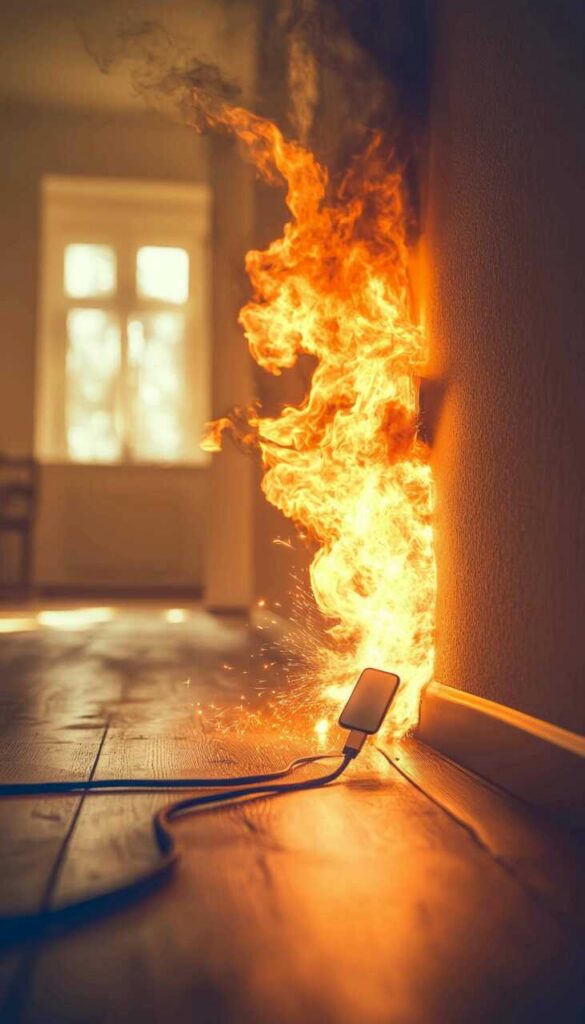
Smoke damage can feel like a relentless beast, leaving behind a trail of destruction that’s tough to conquer. You need to grasp the different types of smoke damage and understand the health risks involved. Evaluating the severity is essential, as is knowing which tools can effectively tackle soot and odor. Let’s explore the critical steps and expert strategies that can turn your smoke-damaged home back into a safe haven.
Key Takeaways
- Identify smoke damage types—wet, dry, and fuel-based—to tailor restoration techniques effectively and address health risks.
- Utilize specialized tools like air scrubbers and HEPA vacuums for thorough soot removal and odor neutralization.
- Consult professionals for advanced techniques such as thermal fogging and ozone treatment to ensure comprehensive restoration.
- Implement preventative measures like smoke alarms and fire safety drills to minimize future smoke damage risks.
- Understand insurance policies and document damage meticulously to streamline the claims process and cover restoration costs.
Understanding Smoke Damage: Types and Effects
Smoke damage is often more complex than it appears, with various types affecting structures and materials differently. Understanding smoke types—like wet, dry, and fuel-based—helps you identify potential health risks, including respiratory issues.
Each type presents unique restoration challenges, from stubborn soot stains to lingering odors. Implementing effective prevention strategies, such as installing smoke detectors and using fire-retardant materials, can greatly reduce risks.
Be aware of the long-term effects smoke can have on your property and health, which may complicate restoration efforts. Additionally, knowing the insurance implications is essential; some policies may cover smoke damage while others don’t.
Assessing the Severity of Smoke Damage
How can you effectively gauge the severity of smoke damage in your property? Start with smoke source identification; knowing where the fire originated helps in understanding the extent of the damage.
Next, apply damage assessment criteria, which include evaluating surfaces, materials, and air quality. Look for discoloration, lingering odors, and residue on walls and furnishings.
Check for structural integrity, as deeper damage may impact safety. Use a systematic approach to document your findings thoroughly, as this will guide your restoration plan.
Prioritize areas requiring immediate attention, and don’t hesitate to consult professionals if the damage seems extensive. By being methodical in your assessment, you can take informed steps toward restoring your home effectively.
Key Tools for Smoke Restoration
When tackling smoke damage restoration, having the right tools at your disposal is essential. First, invest in effective smoke containment solutions like heavy-duty plastic sheeting and duct tape to isolate affected areas. This prevents further contamination and helps maintain a clean workspace.
Next, equip yourself with specialized restoration equipment, such as air scrubbers and ozone generators, to eliminate lingering odors and improve air quality. Don’t forget a powerful vacuum with HEPA filters to remove soot particles from surfaces.
Additionally, consider tarps and drop cloths to protect your belongings during the process. By using these tools, you’ll enhance your restoration efforts and create a safer, healthier environment for yourself and your loved ones.
Step-by-Step Guide to Cleaning Smoke Residue
Before you start cleaning smoke residue, you need to assess the extent of the damage to prioritize your efforts effectively.
Understanding the right cleaning techniques and tools is essential for tackling different surfaces and materials.
Let’s break down the steps to ensure a thorough and efficient restoration process.
Assessing Smoke Damage Extent
Determining the extent of smoke damage requires a keen eye and methodical approach. Start by conducting thorough smoke detection throughout your home, checking walls, ceilings, and hidden areas like behind appliances. Note any discoloration or residue, as these indicators help gauge severity.
Assess all materials—fabrics, wood, and metals—since each reacts differently to smoke.
Next, create a restoration timeline; this will help you prioritize tasks and manage expectations. Document your findings with photos for insurance claims and to track progress.
Finally, engage with professionals if the damage seems extensive. Their expertise ensures you’re not overwhelmed and can restore your home efficiently, fostering a sense of belonging and safety in your living space.
Cleaning Techniques and Tools
Cleaning smoke residue effectively hinges on using the right techniques and tools to break down stubborn particles.
Start by wearing safety gear, including gloves and a mask, to protect yourself from harmful residues.
For porous materials like upholstery and carpets, use a vacuum with a HEPA filter to capture fine particles.
Non-porous surfaces benefit from a mixture of water and a mild detergent; scrub gently with a soft brush.
Always consider material compatibility—test any cleaning solution on a small, inconspicuous area first.
Utilize enzyme cleaners for lingering odors, and don’t forget to clean air ducts to remove trapped smoke particles.
Following these steps ensures a thorough restoration, bringing your space back to a clean and welcoming environment.
Proven Methods for Eliminating Smoke Odor
To effectively eliminate smoke odor, you need to use specialized cleaning solutions that target stubborn residues.
Additionally, employing odor absorption techniques can considerably reduce lingering smells in your space.
If the problem persists, don’t hesitate to consult professional restoration services for thorough assistance.
Effective Cleaning Solutions
While smoke damage can feel overwhelming, effective cleaning solutions can greatly mitigate the lingering odors. Start by using eco-friendly solutions like vinegar and baking soda, which neutralize smoke odors without harmful chemicals.
For surfaces, opt for specialized smoke removal products designed to break down residue and eliminate smells effectively. Make sure to scrub walls, ceilings, and furniture thoroughly, as smoke particles cling to these surfaces.
Don’t forget to clean fabrics; using a steam cleaner can refresh upholstery and carpets. Always ventilate the area by opening windows, allowing fresh air to circulate.
Odor Absorption Techniques
After addressing the visible residue from smoke damage, tackling the persistent odors is the next critical step.
Start by using odor neutralizers and absorbent materials like activated charcoal or baking soda. These effective agents can capture lingering scents.
Implement air purifiers equipped with smoke filters to enhance air quality and eliminate particles causing odor.
Additionally, consider natural remedies such as vinegar or citrus solutions for a more organic approach.
Ventilation strategies, like opening windows and using fans, also help disperse stale air.
For immediate relief, you might resort to scent masking techniques, but remember, they’re temporary.
Focus on long-term solutions that involve thorough cleaning agents and consistent maintenance to ensure your home regains its fresh atmosphere.
Professional Restoration Services
When smoke damage occurs, enlisting professional restoration services can make all the difference in eliminating stubborn odors. Experts use specialized restoration equipment to ensure complete cleaning, reducing the environmental impact of smoke residues effectively.
They understand fire safety protocols and can guide you through your home insurance claims, ensuring you maximize your insurance coverage.
Here are three proven methods they often employ:
- Advanced Smoke Detection: Identifying hidden odor sources to address them effectively.
- Thermal Fogging: A technique that penetrates surfaces, neutralizing odors at the molecular level.
- Ozone Treatment: Utilizing ozone generators to eliminate odors, often part of a thorough restoration timeline.
While DIY methods exist, professional services ensure thoroughness and safety, providing peace of mind.
When to Hire Experts for Smoke Damage Restoration
How can you determine the right moment to call in professionals for smoke damage restoration? If you notice persistent odors, visible soot, or structural damage, it’s time to seek expert consultations.
Professionals can assess the extent of the damage and develop a tailored restoration plan that adheres to industry standards. Additionally, if you’re unsure about the safety of your home’s air quality, expert input is essential.
They’ve the equipment and expertise to handle complex situations, often speeding up restoration timelines considerably. Remember, early intervention can prevent further deterioration and costly repairs.
Trusting professionals ensures a thorough restoration and provides peace of mind, allowing you to focus on restoring your home’s comfort and safety.
Preventing Future Smoke Damage in Your Home
To effectively prevent future smoke damage in your home, it’s vital to implement proactive measures that address potential fire hazards.
Start by verifying you have properly installed smoke alarms, as these are critical for early detection. Next, maintain your ventilation systems and confirm they’re functioning efficiently to reduce smoke accumulation.
Regular inspections of your home’s insulation and building materials can help identify vulnerabilities that could lead to smoke damage.
Here are three key preventative measures:
- Install air purifiers to improve indoor air quality and reduce smoke particles.
- Conduct regular fire safety drills with your family to ensure everyone knows what to do in case of a fire.
- Replace outdated building materials with fire-resistant options for added safety.
Insurance Considerations for Smoke Damage Claims
What steps should you take to ensure a smooth smoke damage claim process? First, review your policy coverage to understand deductible limits and common exclusions.
Document everything—photos of the damage, repair estimates, and any related costs. This thorough documentation will support your claim and help communicate effectively with your insurer.
Be clear about your timeline expectations; prompt reporting can expedite the process. If you need temporary accommodations, inquire about additional living expenses coverage.
Stay proactive in your insurer communication to avoid claim denials. Understand the restoration costs involved and verify they align with your policy.
Frequently Asked Questions
Can Smoke Damage Affect My Health Long-Term?
Yes, smoke exposure can pose long-term health risks. It may lead to respiratory issues, cardiovascular problems, and other serious conditions. Addressing smoke damage promptly helps mitigate these risks and protect your health.
How Can I Tell if Smoke Damage Is Hidden?
Most smoke damage remains hidden. Check for hidden signs like discoloration on walls or ceilings, and inspect for smoke residue behind appliances. Use a professional assessment to ensure thorough detection and restoration.
Is Smoke Damage Covered by Homeowners Insurance?
Yes, smoke damage is typically covered by homeowners’ insurance, but you’ll need to check your policy for specific coverage limits. Reviewing your documentation helps ensure you understand your rights and financial protection during restoration.
What Materials Are Most Vulnerable to Smoke Damage?
Furniture, textiles, and porous materials are most vulnerable to smoke damage. For effective furniture restoration and odor removal, focus on deep cleaning and specialized treatments to eliminate residues, ensuring your home feels fresh and welcoming again.
How Long Does It Take to Restore Smoke-Damaged Property?
Restoration timelines can vary, but after a thorough damage assessment, you’re typically looking at several days to weeks. Prioritize prompt action to minimize lingering odors and further deterioration, ensuring your home feels welcoming again.
Conclusion
Mastering smoke damage restoration is essential for a safe home. Imagine finding a hidden soot stain just as you uncover a lingering odor—both require your attention. With the right tools and techniques, you can tackle these issues effectively. Whether you’re DIYing or calling in professionals, being proactive ensures your space stays healthy. Remember, investing time in restoration now protects your home and enhances your peace of mind for the future.