
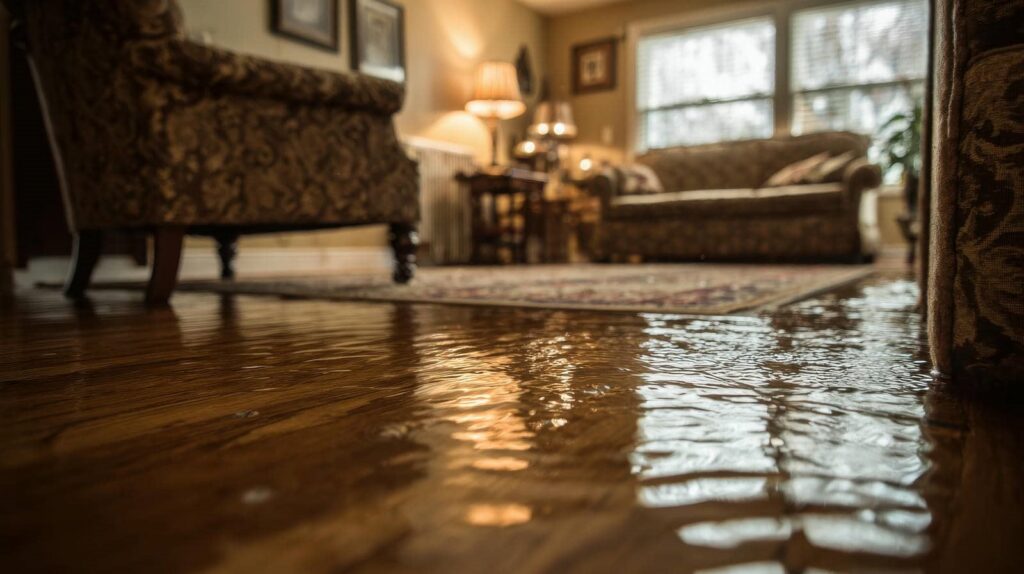
When you face flood damage, maneuvering the insurance claims process can feel overwhelming. You need to understand your policy, document the damage meticulously, and file your claim correctly. Each of these steps plays an essential role in ensuring you receive the compensation you deserve. However, many homeowners overlook key details that can impact their claims. What are the common pitfalls? Understanding these can make a significant difference in your recovery journey.
Key Takeaways
- Ensure safety first and document all damage with photos and notes to support your insurance claim.
- Understand your flood insurance policy, including coverage types, limits, and exclusions.
- Gather necessary documentation, including repair estimates and receipts, to streamline the claim filing process.
- Communicate regularly with your insurance adjuster and maintain records of all interactions for clarity.
- Consider hiring a public adjuster for expert assistance and to negotiate a fair settlement on your behalf.
Essential Steps to Take After Flood Damage
When flood damage occurs, it’s essential to act quickly to minimize impact and facilitate insurance claims. First, confirm your safety and that of your family; turn off utilities if it’s safe.
Document the damage with photos and notes, as this will support your claims process. Next, refer to your emergency contact list for local services, like restoration companies. They can help with immediate cleanup, preventing further damage.
Additionally, review your flood preparedness tips to stay proactive in the future. Keep records of all communications with your insurer, and don’t hesitate to ask questions.
The more organized you are, the smoother the claims process will be, helping you regain a sense of normalcy.
Understanding Your Flood Damage Insurance Policy
To effectively navigate your flood damage insurance policy, it’s essential to understand the types of coverage available.
You’ll also want to pay close attention to policy limits and exclusions, as these can greatly impact your claim.
Finally, familiarize yourself with the claim-filing process to ensure you meet all necessary requirements for a successful payout.
Coverage Types Explained
Understanding the various coverage types in your flood damage insurance policy is vital, especially since different policies can greatly affect your financial recovery.
You’ll typically encounter two main flood insurance types: building coverage and personal property coverage. Building coverage protects your home’s structure, while personal property coverage safeguards your belongings.
It’s important to review coverage exclusions, as these can limit your recovery. For instance, standard policies often don’t cover damage from sewer backups or mold.
Knowing these specifics helps you make informed decisions about additional endorsements or riders to enhance your protection.
Policy Limits and Exclusions
While managing your flood damage insurance policy, it’s crucial to pay close attention to policy limits and exclusions. Understanding these aspects can be the difference between financial relief and unexpected costs.
Policy limits define the maximum amount your insurer will pay for covered damages, so you’ll want to verify your coverage aligns with potential repair costs. Be cautious of coverage limitations that might restrict your claim based on factors like the type of property or specific events.
Additionally, policy exclusions outline what isn’t covered, such as damage from neglect or certain natural disasters. Familiarizing yourself with these details will empower you to make informed decisions and advocate effectively for your needs.
Claim Filing Process
Steering the claim filing process for flood damage insurance can feel overwhelming, but knowing the steps can simplify it considerably.
First, check your policy for claim eligibility; this helps you understand what damages are covered.
Next, gather necessary documentation requirements, such as photographs of the damage, repair estimates, and any relevant receipts. Documenting everything thoroughly will strengthen your claim.
After you’ve compiled your information, contact your insurance company to initiate the claim. They’ll guide you on the specific forms and details needed. Don’t hesitate to ask questions; clarity is key to a successful claim.
Finally, keep a record of all communications for future reference. This organized approach can make the process smoother and more manageable.
Documenting Flood Damage: What You Need to Capture
When documenting flood damage, you need to capture essential photos that clearly show the extent of the destruction.
Creating a detailed inventory checklist of damaged items will support your claim considerably.
Don’t forget to timestamp all evidence, as this adds credibility to your documentation.
Essential Photos to Take
To effectively document flood damage for your insurance claim, it’s crucial to capture clear, thorough photos that tell the full story of the destruction.
Start by photographing the overall scene to illustrate the flood impact, then move in for close-ups of specific damages, such as ruined furniture, appliances, and structural issues.
Make sure you capture different angles and distances to provide context. Follow photo guidelines by including timestamps, if possible, and avoid clutter in the frame.
Document any visible water lines, mold growth, or debris.
Finally, don’t forget to photograph personal items and valuables that were affected.
These detailed images will strengthen your claim and help you convey the total extent of the damage.
Detailed Inventory Checklist
A thorough inventory checklist is essential for documenting flood damage and ensuring you capture every affected item. Start by listing all damaged belongings, including furniture, electronics, and personal items.
For effective inventory management, note the brand, model, and estimated value of each item. Take detailed photographs to support your claims and enhance loss valuation.
Don’t forget to include any structural damage, like drywall or flooring, as these can greatly impact your overall claim. Organize your list by room to simplify the review process.
This meticulous approach helps in your insurance claims and fosters a sense of belonging as you work toward restoring your home and life after the flood.
Timestamp All Evidence
Capturing flood damage accurately is essential for your insurance claim, and timestamping all evidence plays an important role in this process. By documenting the date and time of each photo or video, you enhance evidence preservation, ensuring your claim reflects the extent of damage at its peak.
When you timestamp your evidence, you provide a clear timeline that supports your narrative, making it easier for adjusters to understand the situation.
Make sure to use your smartphone’s camera features or a digital timestamp tool to keep everything in order. This step isn’t just a formality; it emphasizes the timestamp importance in validating your claim.
The more organized your documentation, the stronger your case will be, fostering a sense of belonging to a community that advocates for fair treatment.
How to File a Flood Damage Insurance Claim
Filing a flood damage insurance claim can seem challenging, yet it’s essential for recovering your losses. Start by reviewing your policy to understand coverage limits and exclusions. Document everything—take photos and keep receipts.
Next, contact your insurer promptly; adhering to claim timelines is vital to avoid delays. When filling out your claim, be thorough and honest, as incomplete information can lead to common pitfalls.
Maintain records of all correspondence with your insurance company, and follow up regularly to track your claim’s progress.
Finally, if your claim is denied or underpaid, don’t hesitate to ask for clarification or appeal the decision. Being proactive can greatly enhance your chances of a successful outcome.
Top 5 Mistakes to Avoid When Filing Flood Damage Claims
When maneuvering the complexities of flood damage claims, avoiding common pitfalls can make a significant difference in your recovery process.
First, don’t delay your claim; each insurance policy has specific claim timelines that you must adhere to.
Second, be careful not to underestimate damages; a thorough assessment ensures you receive fair compensation.
Third, failing to document everything can lead to issues; take photos and keep receipts for all repairs and expenses.
Fourth, don’t overlook your policy details; understanding your coverage prevents surprises later.
Finally, avoid communicating only verbally; always follow up with written correspondence to keep a clear record.
How Adjusters Help With Your Flood Claim
While maneuvering the aftermath of a flood, adjusters play an essential role in streamlining your claims process. They assess the damage, evaluate your policy, and determine what’s covered, ensuring you receive the compensation you deserve.
Their expertise in claim negotiations can be invaluable. Adjusters communicate directly with your insurance company, advocating for your best interests and working to expedite your claim.
They’ll document everything meticulously, from the extent of damage to repair estimates, providing you with a solid foundation for negotiations.
Expectations for the Claims Process
What should you expect during the claims process after a flood? Steering through this journey can feel overwhelming, but knowing what lies ahead makes it easier. Here’s what you can anticipate:
Claim Timelines: Understand that processing your claim typically takes a few weeks, but complex situations may extend this period.
Communication Expectations: Keep in mind that your adjuster will reach out for additional documentation, so stay responsive to expedite the process.
Ongoing Updates: Expect regular updates from your insurance company about your claim status, helping you feel connected throughout the process.
Tips for Maximizing Your Flood Damage Insurance Payout
To maximize your flood damage insurance payout, it’s vital to approach the claims process with a strategic mindset. Start by documenting all damage thoroughly—photos and detailed lists are important.
Next, engage in strategic negotiation with your insurer; don’t accept initial offers without question. Often, they’re less than what you deserve. Consider expert consultation, such as hiring a public adjuster, to help evaluate your claim and advocate on your behalf. They understand the nuances of insurance policies and can greatly enhance your payout potential.
Keep communication clear and prompt, responding to any requests for information swiftly. By taking these steps, you’ll better position yourself to receive the compensation you need to recover fully from flood damage.
Frequently Asked Questions
What Types of Flood Damage Are Typically Covered by Insurance?
Most insurance policies cover structural damage, personal property loss, and certain flood-related expenses. However, specific flood damage types and insurance coverage can vary, so it’s essential you review your policy for details.
How Long Do I Have to File a Flood Damage Claim?
Filing a flood claim’s like racing against the clock; you typically have 30 days to submit your claim. Keep an eye on deadlines, as each policy might vary regarding the flood claim timeline.
Can I Use My Insurance Payout for Temporary Housing?
Yes, you can use your insurance payout for temporary housing, but it depends on your insurance policy details. Review your coverage options to ensure you’re fully informed about available temporary housing options during your recovery.
Will My Premium Increase After Filing a Flood Claim?
Filing a flood claim can feel like opening a floodgate; yes, your premium might rise. Insurers often make premium adjustments based on claims. Understanding your flood coverage helps you navigate these waters with clarity.
What if My Insurance Claim Is Denied?
If your claim’s denied, you can initiate the claim appeal process. Gather evidence and documentation, and explore denied claims strategies to strengthen your case. Stay persistent; many successfully overturn denials through diligent follow-up and negotiation.
Conclusion
Steering through the nuances of flood damage claims can feel overwhelming, but don’t let disorganization derail your efforts. By diligently documenting damages, deftly understanding your policy, and directly communicating with your adjuster, you can greatly streamline the claims process. Remember, preparation is key to securing a satisfactory settlement. Stay proactive and persistent, and you’ll pave the way for a positive payout. Your home deserves the best possible recovery after the storm.