
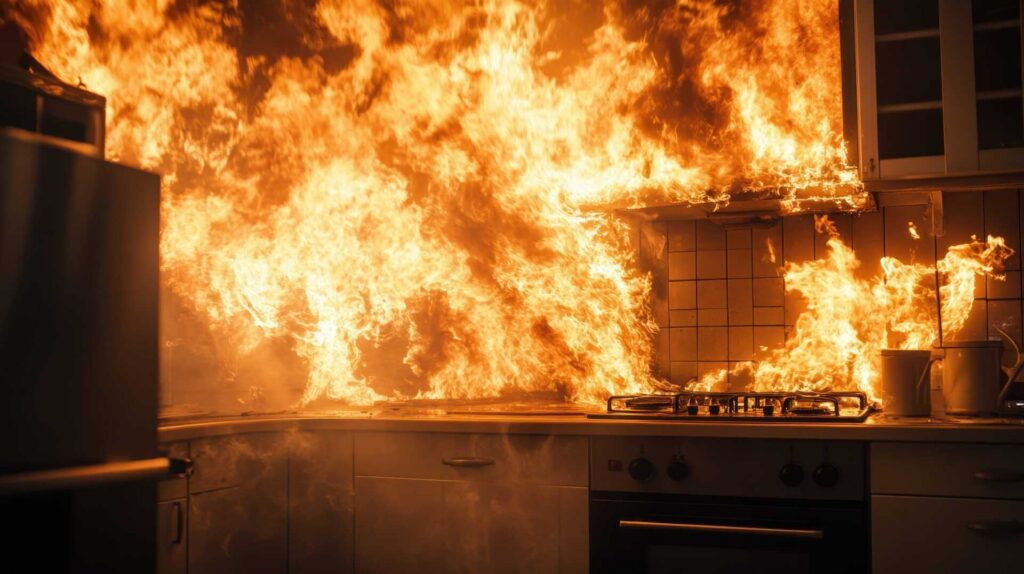
Many businesses underestimate the importance of a rapid response to fire damage repair, which can greatly impact recovery time and costs. You need to act quickly, evaluating damage and prioritizing repairs to minimize losses. By forming a dedicated response team and utilizing professional restoration services, you can streamline the recovery process. But how do you guarantee that your strategies not only address immediate needs but also set the stage for long-term stability?
Key Takeaways
- Conduct a swift fire damage assessment to identify risks and prioritize repairs for efficient recovery.
- Form a rapid response team with defined roles, ensuring regular training for effective action during crises.
- Engage professional restoration services to expedite cleanup and restore operations swiftly while minimizing losses.
- Maintain transparent communication with stakeholders about recovery progress to rebuild trust and support.
- Ensure adequate insurance coverage to facilitate timely claims processing and financial recovery post-incident.
How to Assess Fire Damage Quickly
When a fire strikes, evaluating the damage quickly is essential to mitigate further loss.
Start with a thorough fire assessment to identify the extent of damage and potential risk factors. Use an inspection checklist to guide your damage evaluation, focusing on structural integrity and safety measures.
Assess the response evaluation to determine how effective your previous protocols were. Consider your recovery timeline to prioritize repairs and resource allocation efficiently.
Don’t overlook insurance considerations; documenting everything can aid in claims.
Create a Rapid Response Team for Fire Emergencies
Creating a Rapid Response Team for fire emergencies is essential for effective damage control.
You need to clearly define team roles and responsibilities, ensuring each member knows their part during a crisis.
Regular training and drills, along with established communication protocols, will enhance your team’s readiness and efficiency.
Team Roles and Responsibilities
Establishing a Rapid Response Team for fire emergencies requires a clear understanding of team roles and responsibilities to guarantee effective action.
To foster strong team dynamics, you’ll want to define specific role assignments. Each member should know their duties—whether it’s evaluating damage, coordinating with emergency services, or communicating with employees.
Designate a team leader to streamline decisions and maintain focus during crises. Support roles, such as logistics and communication, ensure everyone stays informed and organized.
Regular check-ins help reinforce accountability and build trust among team members. By clearly defining these roles, you create a cohesive unit ready to tackle fire emergencies, enhancing your business’s resilience and fostering a sense of belonging within the team.
Training and Drills
Effective training and drills are essential for your Rapid Response Team, as they guarantee members are prepared to act decisively during fire emergencies.
Prioritizing fire safety and emergency preparedness, regular training exercises enhance drill effectiveness. Engage your team in realistic simulation training to evaluate their responses under pressure.
This hands-on approach allows for accurate risk assessment, ensuring everyone understands potential hazards. Focus on team coordination, as seamless collaboration can greatly improve response times.
After each drill, conduct a thorough response evaluation to identify strengths and areas for improvement.
Communication Protocols Established
While you might’ve a capable Rapid Response Team, without clear communication protocols, their effectiveness can diminish during fire emergencies.
Establishing streamlined communication is essential for effective crisis communication and stakeholder engagement. Here’s how you can set up these protocols:
- Designate Communication Roles: Assign specific team members to relay information clearly.
- Create a Centralized Communication Hub****: Use a reliable platform for sharing updates and coordinating efforts.
- Develop Pre-Approved Messaging****: Prepare templates for quick dissemination of information to stakeholders.
- Conduct Regular Reviews: Schedule periodic evaluations of your communication strategies to guarantee they’re effective and up-to-date.
Implement Effective Fire Damage Cleanup Protocols
To effectively implement fire damage cleanup protocols, you need to assess the damage quickly to understand the extent of the situation.
Prioritizing safety is essential, ensuring everyone’s well-being before proceeding.
Engaging professional services can streamline the process and mitigate further risks, allowing for a more efficient recovery.
Assess Damage Quickly
When evaluating fire damage, swift action is essential to minimize losses and initiate recovery. A rapid assessment helps you understand the extent of the damage and prioritize your next steps.
Here’s how to effectively conduct your damage evaluation:
- Inspect the Area: Identify affected zones and note visible damage.
- Document Findings: Take photos and write detailed notes for insurance purposes.
- Assess Structural Integrity: Check for any hazards that could pose risks during cleanup.
- Engage Professionals: Consult fire damage experts for specialized insights and support.
Prioritize Safety First
After evaluating the fire damage, your next priority should be safety. Start by conducting a thorough risk assessment, identifying hazards that could threaten your team.
Guarantee your emergency preparedness plan includes clear evacuation plans tailored to your facility. Equip your employees with the necessary safety equipment and conduct regular fire drills to reinforce procedures.
Employee training is vital; everyone should understand their roles during an emergency and be familiar with hazard identification.
By prioritizing fire safety, you create a culture of awareness and readiness, fostering a sense of belonging among your staff.
Engage Professional Services
Engaging professional services is essential for effective fire damage cleanup, as they bring expertise that assures a thorough and efficient restoration process.
To guarantee you’re making the right choice, consider these critical steps:
- Risk Assessment: Identify potential hazards and prioritize safety inspections to protect your team.
- Damage Evaluation: Evaluate the extent of fire damage to guide your fire restoration efforts accurately.
- Vendor Coordination: Collaborate with specialists for efficient resource allocation and streamlined operations.
- Crisis Management: Develop a contingency plan that includes handling insurance claims and emergency preparedness.
Use Professional Services for Quick Restoration
While you might consider tackling damage repairs on your own, using professional services guarantees a faster and more effective restoration.
Professionals have established vendor relationships that streamline emergency contacts and expedite damage assessments. They’re equipped to handle insurance claims, ensuring you maximize your coverage while minimizing out-of-pocket expenses.
Their expertise allows for accurate restoration timelines, reducing downtime considerably. With ready access to specialized equipment, they enhance equipment readiness for swift recovery.
Additionally, they conduct thorough safety inspections to prevent future issues. By prioritizing recovery planning, you position your business for resilience, fostering a sense of belonging within your community as you demonstrate commitment to swift recovery.
Relying on professionals ultimately strengthens your recovery efforts.
Communicate With Stakeholders During Recovery
Effective communication with stakeholders is essential during the recovery process. To foster trust and guarantee everyone is aligned, focus on these key strategies:
- Stakeholder Updates: Regularly share progress on recovery timelines to keep everyone informed.
- Communication Channels: Utilize various platforms to reach all stakeholders effectively, guaranteeing message consistency.
- Impact Assessment: Clearly outline how the fire has affected operations and what steps are being taken to mitigate these impacts.
- Ongoing Engagement: Create feedback loops and maintain transparent reporting to engage stakeholders emotionally and rebuild trust.
How to Prevent Future Fire Damage?
To avoid future fire damage, it’s vital to implement proactive measures that address potential risks before they escalate. Start with a thorough risk assessment to identify vulnerabilities in your facility.
Conduct regular safety audits to guarantee compliance with fire prevention regulations. Prioritize employee training and schedule fire drills to instill a culture of safety.
Regular equipment maintenance is imperative—check fire alarms and verify that emergency exits are accessible and clearly marked. Use fire-resistant building materials to minimize damage potential.
Don’t overlook adequate insurance coverage to safeguard against financial loss. By fostering a commitment to fire prevention, you not only protect your assets but also create a safer environment for everyone involved in your business.
Long-Term Fire Damage Recovery Strategies
After implementing fire prevention measures, your focus should shift to long-term recovery strategies following a fire incident.
To guarantee a smooth recovery, consider these essential steps:
- Review Insurance Coverage: Verify your policy includes all necessary aspects for thorough protection.
- Financial Planning: Create a budget to cover expenses such as equipment replacement and operational costs during recovery.
- Emotional Support: Provide resources for your employees’ well-being, helping them cope with the aftermath.
- Utilize Community Resources: Engage local support networks to assist with regulatory compliance and rebuilding efforts according to building codes.
Frequently Asked Questions
What Insurance Coverage Is Essential for Fire Damage Recovery?
To guarantee effective fire damage recovery, you need extensive fire insurance and well-structured recovery plans. These protect your assets and streamline your return to normalcy, fostering a sense of community and resilience amidst challenges.
How Can We Train Staff for Fire Emergencies?
Think of fire drills as your team’s armor; they prepare you for the unexpected. Regularly practice emergency protocols, fostering confidence and unity. When you train together, you build resilience, ensuring everyone knows their role in a crisis.
What Are the Costs Associated With Fire Damage Repair?
Fire restoration costs can vary greatly, often influenced by the extent of damage and smoke damage expenses. You’ll want to budget for both structural repairs and content restoration to guarantee a thorough recovery plan.
How Do We Document Fire Damage for Insurance Claims?
To document fire damage for insurance claims, conduct a thorough damage assessment, take clear photos, and keep records of expenses. This proactive approach streamlines the claim process and strengthens your position with the insurance company.
What Emotional Support Resources Are Available for Affected Employees?
You’ve got access to various emotional support resources, like peer support groups and counseling services. Building emotional resilience through shared experiences helps foster a sense of belonging, encouraging connection and healing among affected employees.
Wrap-Up
In the aftermath of a fire, acting swiftly can greatly impact your business’s recovery. Did you know that nearly 50% of businesses never reopen after a disaster? By implementing rapid fire damage repair strategies and prioritizing communication, you not only safeguard your assets but also preserve your team’s morale. Taking proactive steps today can make all the difference tomorrow, ensuring you’re prepared to bounce back stronger and more resilient than ever. Don’t wait act now to protect your future.