
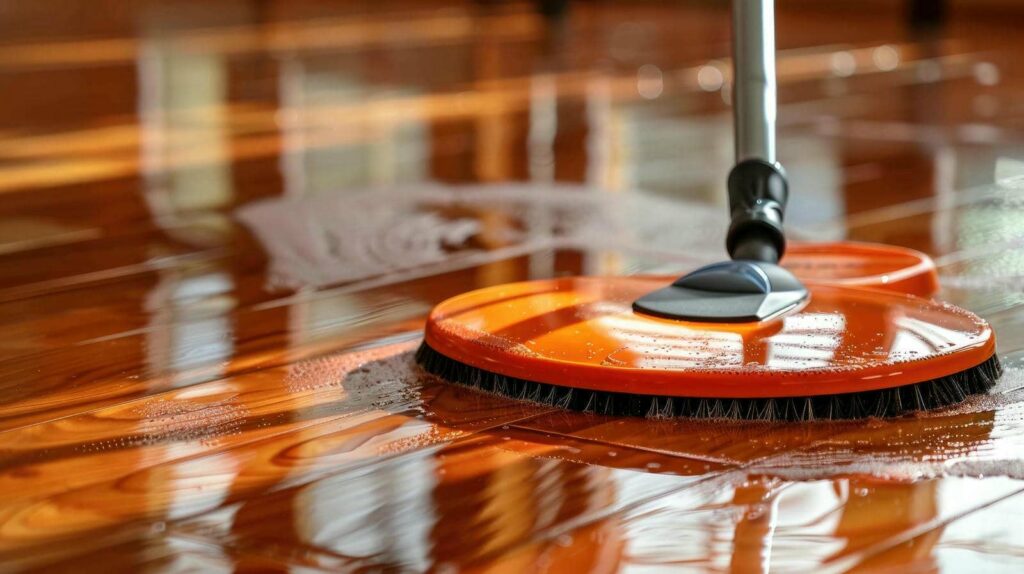
You might think that water extraction is as simple as mopping up a spill, but it’s far more complex than that. Effective techniques require a precise approach, utilizing advanced tools and strategic planning. By understanding the critical steps involved, you can enhance your efficiency and reduce risks. What essential methods and tools can elevate your water extraction efforts? Let’s explore the nuances that make all the difference in achieving superior results.
Key Takeaways
- Master timing and technique to optimize water extraction while minimizing environmental impact and ensuring quality.
- Utilize high-quality suction pumps paired with moisture meters for efficient and thorough extraction.
- Assess the affected area for hazards and determine the best extraction methods based on water volume.
- Monitor humidity levels and adjust extraction methods to prevent mold growth and promote effective drying.
- Implement a clear emergency response plan to streamline future extraction efforts and minimize damage.
Why Water Extraction Matters: Key Techniques to Know
Water extraction is essential for maintaining environmental balance and for various industrial applications, so understanding key techniques can greatly enhance efficiency.
Effective moisture control is vital; it ensures that you extract the right amount of water without compromising the surrounding ecosystem. You’ll want to pay attention to extraction timing, as it greatly influences the quality and quantity of the water you obtain.
Timing affects the moisture levels in different materials, impacting overall extraction success. By mastering these techniques, you can optimize your processes, reduce waste, and enhance productivity.
Embracing these principles fosters a sense of community among professionals who prioritize sustainable practices, making your efforts more impactful in both industrial and environmental contexts.
Essential Tools for Water Extraction
Effective water extraction relies heavily on the right tools, which can greatly enhance both efficiency and accuracy. One of the most essential pieces of equipment you’ll need is a high-quality suction pump. These pumps effectively remove standing water, making them critical for rapid response in emergencies.
Additionally, moisture meters are essential for evaluating the moisture levels in materials post-extraction. They help ensure that all excess moisture is removed, preventing mold growth and structural damage.
When you combine suction pumps with moisture meters, you create a powerful toolkit that ensures thorough water extraction. By investing in these tools, you streamline the process and promote a safer, healthier environment for everyone involved.
Execute Your Water Extraction Process Effectively
Begin the extraction process by evaluating the affected area for standing water and potential hazards. Identify the best water extraction methods suited for your situation to ensure a swift and effective response.
Use the right tools and techniques to facilitate efficient drying and minimize damage.
Prioritize safety by wearing appropriate gear and checking for electrical hazards.
Select equipment based on water volume; consider pumps for large areas and wet vacuums for smaller spaces.
Monitor humidity levels during the drying process to adjust methods as needed.
Top 5 Challenges in Water Extraction and Effective Solutions
While tackling water extraction, you’ll encounter several challenges that can hinder progress and amplify damage. One major issue is inadequate flood management, which can lead to prolonged water exposure. To combat this, establish effective drainage systems and utilize pumps promptly.
Another challenge is poor moisture control, resulting in mold growth. Implement dehumidifiers and monitor humidity levels consistently.
Additionally, structural damage may complicate the extraction process; you should assess and reinforce areas before beginning. The presence of contaminants can also pose health risks, so always wear protective gear and test water quality.
Finally, time constraints can pressure your efforts. Prioritize tasks and develop a clear timeline to streamline your extraction process and ensure thoroughness.
Best Practices for Cleanup and Restoration
Once you’ve completed water extraction, extensive cleanup and restoration are essential to prevent further damage and ensure safety. Addressing flood damage promptly protects your property and helps prevent mold growth.
Begin with a thorough moisture assessment to identify hidden water pockets that could lead to complications later.
- Document the damage for insurance claims.
- Maintain clear restoration timelines to keep everyone informed.
- Implement an effective emergency response plan for future incidents.
Frequently Asked Questions
How Do I Identify Hidden Water Damage in My Home?
To identify hidden water damage, check for hidden leaks using moisture detection tools. Inspect walls, ceilings, and floors for discoloration or dampness. Don’t forget to monitor musty odors—these signs can reveal underlying issues.
What Are the Health Risks Associated With Water Damage?
Water damage can lead to mold growth, which poses serious health risks like respiratory issues and allergies. It can also compromise your home’s structural integrity, increasing repair costs and affecting your living environment’s safety and comfort.
Can I Perform Water Extraction Without Professional Help?
Yes, you can perform water extraction without professional help. With the right DIY methods and equipment essentials, you’ll navigate the challenge like a skilled sailor steering through a storm—just ensure you’re prepared for the journey ahead.
How Long Does the Water Extraction Process Typically Take?
The water extraction duration typically ranges from several hours to a few days, depending on the process efficiency, area size, and water volume. You’ll achieve better results with proper equipment and techniques for quicker outcomes.
What Insurance Coverage Is Available for Water Extraction Services?
Your homeowner’s insurance often covers water damage, allowing you to file insurance claims for extraction services. Review your policy to understand coverage limits, exclusions, and necessary documentation to ensure a smooth claims process.
Wrap-Up
Mastering expert techniques for effective water extraction is essential for ensuring safety and efficiency. Did you know that improper water extraction can lead to increased restoration costs? By utilizing the right tools and strategies, you can considerably reduce waste and enhance productivity. Embracing these practices benefits your immediate project and supports sustainable community efforts, making you a key player in effective water management.