
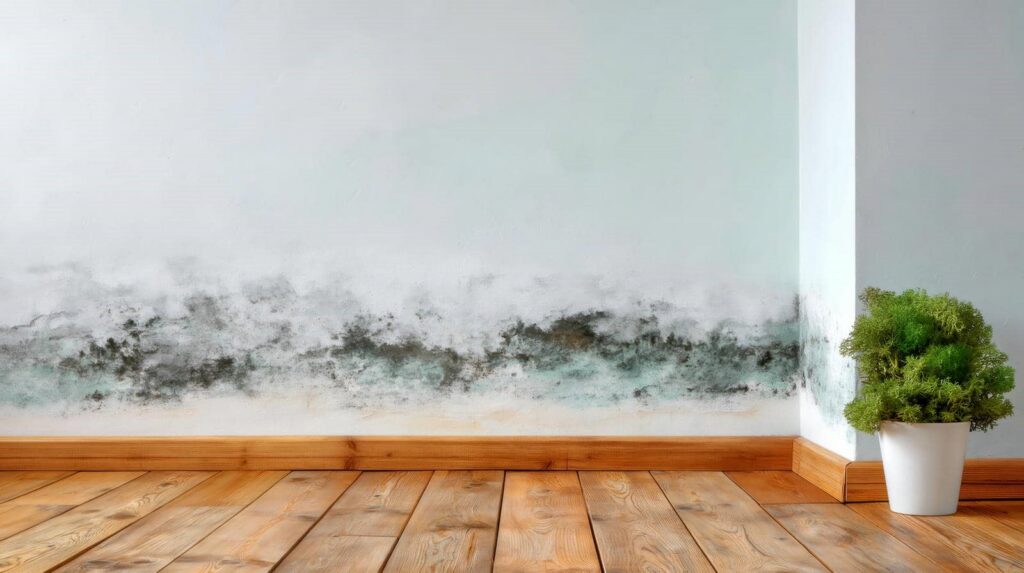
Like a detective uncovering hidden clues, your approach to mold control after water removal requires keen observation and decisive action. It’s vital to identify moisture sources and act quickly to prevent growth. By maintaining low humidity levels and ensuring thorough cleaning, you set the foundation for a mold-free environment. But what specific steps can you take to ensure long-term protection? Let’s explore effective strategies that can safeguard your space.
Key Takeaways
- Conduct thorough moisture detection in affected areas to identify any lingering sources of humidity or leaks.
- Clean and disinfect surfaces with soap and water, followed by a bleach solution to eliminate mold spores.
- Replace damaged materials, opting for mold-resistant options to prevent future growth.
- Improve airflow by creating cross-breezes and using fans to facilitate faster drying of wet surfaces.
- Regularly inspect for mold and consider professional assistance for extensive issues or health concerns.
How to Identify Moisture Sources That Lead to Mold Growth
To effectively combat mold growth, you first need to pinpoint the moisture sources in your environment.
Start with thorough moisture detection around areas like basements, bathrooms, and kitchens. Check for leaks in pipes or faucets, as even minor drips can create ideal conditions for mold.
Assess humidity levels; ideally, they should stay below 60%. Use a hygrometer for precise measurements.
Inspect your roof and gutters for any water accumulation that could seep indoors. Don’t forget to evaluate windows and doors for drafts that might let in moisture.
By identifying these sources, you can take proactive steps for mold prevention, ensuring a healthier living space for you and your loved ones.
This vigilance fosters a sense of belonging in a safe, mold-free environment.
Clean and Disinfect Affected Surfaces Immediately
Once you’ve identified the moisture sources contributing to mold growth, addressing the affected surfaces promptly is essential.
Start by using effective cleaning techniques—soap and water can remove visible mold, but consider a solution of one cup of bleach to a gallon of water for disinfecting.
Make sure you wear protective gear like gloves and masks to safeguard yourself.
After cleaning, dry the surfaces thoroughly, as moisture promotes mold regrowth.
Incorporating preventative measures, such as improving ventilation and using dehumidifiers, will help maintain a dry environment.
Regularly inspect these areas to catch potential mold issues early.
Inspect Damaged Materials for Mold and Replace as Needed
Once you’ve cleaned affected surfaces, it’s essential to inspect any damaged materials for mold.
Identify which items show signs of contamination and assess the severity of the mold growth.
If the damage is extensive, timely replacement can prevent further spread and maintain a healthy environment.
Identify Affected Materials
Identifying affected materials is vital in controlling mold growth effectively. You need to inspect various surfaces to determine where mold might thrive.
Utilize mold identification techniques to pinpoint problem areas, especially on:
- Wood and drywall, which can absorb moisture easily
- Carpets and upholstery, where mold can grow undetected
- Insulation, which can trap moisture and promote growth
Once you’ve identified these affected surface types, assess their condition. If materials are heavily damaged or mold-infested, it’s important to replace them promptly.
This proactive approach prevents further mold proliferation band creates a safer environment for you and your loved ones. Taking these steps ensures that your home remains a healthy place to belong.
Assess Mold Severity
To effectively manage mold growth, evaluating the severity of mold damage is vital. Start by using mold detection methods, such as visual inspections and moisture meters, to identify affected areas.
Look closely at materials like drywall, insulation, and wood; if they show signs of extensive mold growth or deterioration, they likely need replacement. Ignoring these damaged materials can lead to significant health risks, including respiratory issues and allergic reactions.
It’s important to document your findings throughout this assessment, as this will inform your next steps and help you stay on track.
Timely Replacement Options
While evaluating damaged materials for mold, it’s crucial to act swiftly to prevent further deterioration.
Timely upgrades enhance your space and protect your health.
Here are some material alternatives to reflect upon:
Mold-resistant drywall: This can help prevent future growth in moisture-prone areas.
Waterproof flooring: Options like vinyl or tile are less susceptible to mold damage.
Insulated windows: These can reduce condensation and minimize moisture buildup.
Improve Airflow to Promote Faster Drying
Improving airflow is essential for promoting faster drying and preventing mold growth in damp areas. To achieve effective air circulation, consider implementing several ventilation strategies.
Open windows and doors to create a cross-breeze, which can help disperse moisture-laden air. Utilize fans to boost airflow, directing them towards wet surfaces to expedite drying.
If possible, elevate furniture and belongings to allow air to circulate beneath them. You might also want to keep interior doors open to enhance airflow throughout your home.
Control Humidity With Dehumidifiers
A dehumidifier can be a powerful tool in controlling indoor humidity levels, which is essential for preventing mold growth.
Proper moisture control protects your home and enhances your comfort. To maximize its effectiveness, consider these tips:
- Adjust dehumidifier settings based on the season and humidity levels.
- Position the unit in areas prone to dampness, like basements or bathrooms.
- Regularly empty the water reservoir or connect a drain hose for continuous operation.
How to Regularly Check for Mold Growth in Your Home?
Mold can often go unnoticed, making regular checks essential for maintaining a healthy home environment. Start with routine inspections in areas prone to moisture, like bathrooms and basements.
Use mold detection methods, such as visual checks for discoloration and musty odors. Consider investing in a moisture meter to identify damp spots before they become a problem.
Pay attention to hidden spaces, like behind cabinets or under sinks, where mold may thrive. If you notice any signs, act quickly to address the underlying moisture issue.
Also, ensure proper ventilation in high-humidity areas to prevent mold growth. By making these inspections a habit, you’ll create a safer, more inviting home for yourself and your loved ones.
When to Call in the Pros for Mold Remediation?
Knowing when to call in the pros for mold remediation can save you time, money, and health risks.
If you notice any of the following situations, it’s wise to seek a professional assessment:
Widespread Mold Growth: If mold covers an area larger than 10 square feet, it’s time for a mold inspection.
Unresolved Water Issues: If you can’t identify or fix the source of water intrusion, professionals can help.
Health Concerns: If you or your family experience unexplained respiratory issues, a professional can address potential mold impacts.
Don’t hesitate to reach out for expert help; mold can lead to serious health risks if not managed properly.
Prioritizing a safe environment for yourself and your loved ones is essential.
Frequently Asked Questions
Can Mold Cause Health Issues After Water Removal?
Yes, mold exposure can cause health symptoms like respiratory issues. Your immune response may react negatively, leading to discomfort or illness. It’s essential to address any remaining mold to protect your health and well-being.
How Long Does It Take for Mold to Grow?
Mold can start growing within 24 to 48 hours under ideal conditions. The mold growth timeline depends on environmental factors like humidity and temperature, so act quickly to prevent potential health issues and protect your space.
What Are the Signs of Hidden Mold?
You can spot hidden mold by looking for musty odors, water stains, or discoloration on walls. Regular mold detection checks in damp areas like basements and bathrooms can help you catch problems early. Stay proactive!
Is Bleach Effective for Mold Removal?
Bleach isn’t always effective against all mold types, with studies showing it fails to penetrate porous surfaces. Consider bleach alternatives like vinegar or hydrogen peroxide for better results in mold removal and prevention.
How Can I Prevent Future Mold Growth?
To prevent future mold growth, implement effective ventilation strategies and maintain moisture control. Regularly check for leaks, use dehumidifiers, and ensure proper airflow in your spaces to create an environment less conducive to mold development.
Wrap-Up
In your quest to keep mold at bay, envision a refreshing atmosphere filling your home, free from the musty scent of dampness. By diligently addressing moisture sources, cleaning surfaces, and enhancing airflow, you create a fortress against mold. Regular checks and the strategic use of dehumidifiers act as your vigilant sentinels. And if you ever feel overwhelmed, calling in the professionals can ensure your sanctuary remains a safe, healthy haven for you and your loved ones.