
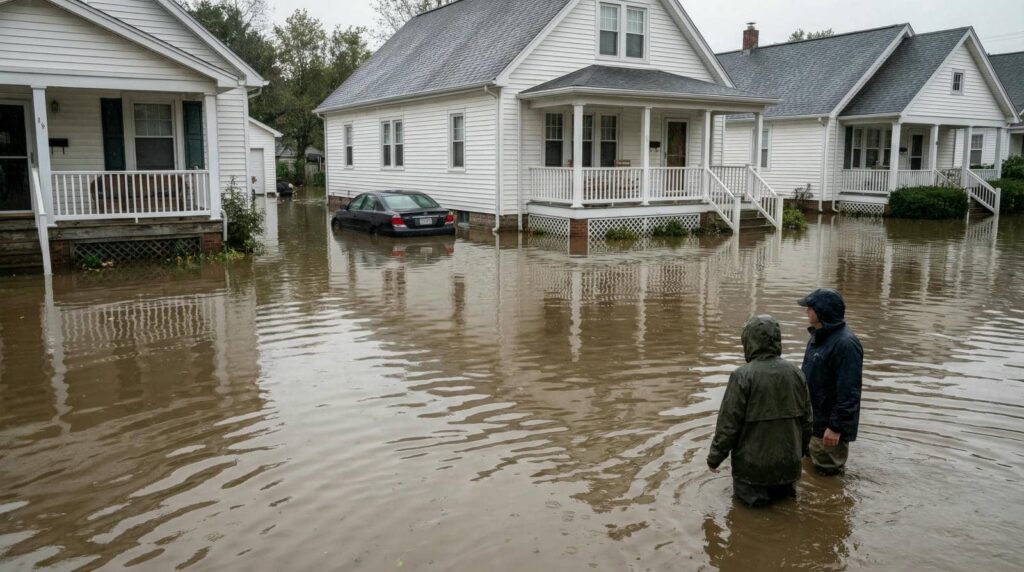
Most flood damage is not immediately visible. It’s essential to assess the aftermath carefully to prevent further complications. By recognizing the subtle signs of water exposure and documenting every detail, you can protect your investments and ensure proper recovery. Understanding the steps to take can greatly influence your safety and the restoration process. Let’s explore how to navigate this challenging situation effectively.
Key Takeaways
- Inspect for water stains, discoloration, and peeling paint to identify moisture intrusion and potential mold growth.
- Document all damage with clear photographs and an inventory list for insurance claims.
- Assess structural integrity by checking foundations, walls, and floors for cracks or weaknesses.
- Evaluate belongings and appliances for water damage, corrosion, and mold risk to support recovery efforts.
- Seek professional help for thorough assessments and effective flood restoration guidance.
Recognize the Signs of Flood Damage in Your Home
When you walk through your home after a flood, it’s essential to recognize the signs of damage early. Start by checking for water stains on walls and ceilings; these are indicators of moisture intrusion.
Pay close attention to areas where the water might’ve pooled, as they’re prone to mold growth. Look for any discoloration or peeling paint, which can signal deeper issues.
Don’t ignore musty odors, as they often accompany hidden mold. Inspect flooring, especially in corners and beneath furniture, where water can linger unnoticed.
Document the Flood Damage for Insurance Claims
Documenting flood damage is essential for securing the insurance claims you need to recover. Start by taking clear, detailed photographs of all affected areas, focusing on structural damage and personal belongings.
Make sure to capture the extent of the water intrusion and any visible mold. Create an inventory list of damaged items, including descriptions and approximate values. This thorough insurance documentation is vital for streamlining the claim process.
Don’t forget to note any repairs you’ve made to prevent further damage, as this shows your proactive efforts. Keep all receipts and correspondence related to your claims, as they’ll support your case.
Assess Structural Integrity and Safety Risks
Before entering your home after a flood, it’s important to assess its structural integrity and identify any safety risks. Start with a foundation assessment to check for cracks, shifts, or other damage.
Look for signs of weakness in walls, ceilings, and floors. If you notice any instability, it’s vital to avoid entering until a professional evaluates the situation.
Conduct a thorough safety evaluation by checking for exposed electrical wires, gas leaks, or mold, which can pose serious health threats.
Remember, your safety comes first. Relying on experts for these assessments can provide peace of mind.
Connecting with your community for support and resources can also help you navigate this challenging time. Your well-being matters.
Evaluate Your Belongings and Appliances for Flood Damage
As you begin to assess your belongings and appliances for flood damage, it’s important to approach the task methodically to minimize loss.
Start with a thorough furniture assessment; check for water exposure and structural integrity. Pay special attention to upholstery and wooden pieces, as both can absorb moisture and develop mold.
Next, conduct an appliance inspection. Unplug any affected devices and check for signs of corrosion or water intrusion. Document everything for insurance purposes.
Don’t forget personal items like photographs or documents; drying them quickly can prevent irreparable damage.
While it’s tough to face potential losses, a careful evaluation helps you prioritize what can be salvaged and what needs replacement, ensuring you can rebuild your life with confidence.
Get Help From Flood Damage Restoration Experts
When faced with the aftermath of a flood, seeking help from restoration experts can make all the difference in your recovery process.
These professionals bring specialized knowledge and tools to assess the extent of the damage accurately. Their expert assessment identifies hidden issues, such as mold or structural weaknesses, and guides you through the flood restoration process efficiently.
You don’t have to navigate this challenging time alone; their support can provide peace of mind and a clearer path forward.
By collaborating with these experts, you ensure every step is informed and effective, helping you reclaim your space and restore your sense of belonging in your home.
Don’t hesitate to reach out for the help you deserve.
Frequently Asked Questions
How Can I Prevent Future Flood Damage in My Home?
To prevent future flood damage, you should implement floodproofing techniques like sealing cracks and installing sump pumps. Also, consider effective drainage solutions to divert water away from your home, creating a safer, more secure environment.
What Types of Insurance Cover Flood Damage?
Flood insurance is essential; it’s your safety net against nature’s fury. Check policies for coverage limits, like the difference between a puddle and an ocean. Understanding these details helps you protect what matters most.
How Long Does Flood Restoration Typically Take?
Flood restoration typically takes one to three weeks, depending on the severity. Understanding the flood restoration timeline involves phases like assessment, drying, and repairs, ensuring you’re not alone during this challenging process.
Can I Stay in My Home During Restoration?
You can’t always stay in your home during restoration; it depends on the damage. Consider temporary housing for your safety and peace of mind. Prioritize your well-being while the restoration team works diligently to restore your space.
What Are the Health Risks Associated With Floodwater?
Floodwater poses serious health risks, including exposure to waterborne pathogens and chemical contaminants. You might also face electrical hazards, mold growth, and mental health challenges. It’s essential to prioritize safety and seek support during recovery.
Review
In the aftermath of a flood, your home can feel like a shipwreck—overwhelmed and disoriented. By recognizing damage signs, documenting everything meticulously, and evaluating structural safety, you can navigate the recovery process with confidence. Don’t underestimate the importance of professional help; their expertise is like a lighthouse guiding you through the storm. Remember, every step you take is a move toward restoring your haven and reclaiming your peace of mind.