
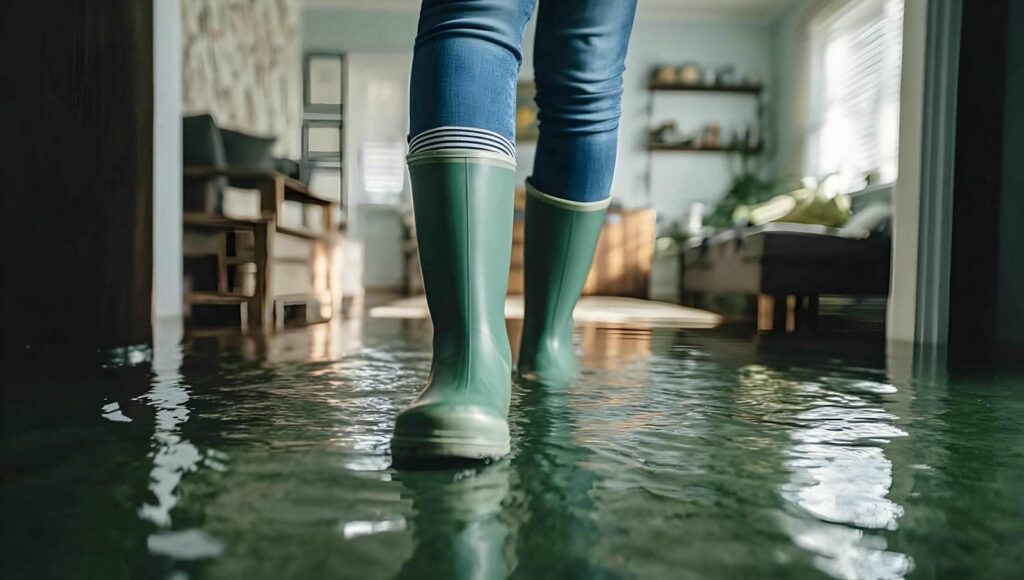
Imagine the unsettling sight of water pooling on your floor, threatening your belongings and home. You need a plan to tackle this quickly. Identifying the source of the water is your first step, but knowing what tools to grab and how to act can make all the difference. Let’s explore effective DIY methods that can save your space from further water damage and keep mold at bay. Are you ready to take control?
Key Takeaways
- Act quickly: Begin cleanup immediately to minimize damage and prevent mold growth by using fans and dehumidifiers for rapid drying.
- Remove standing water: Use a wet/dry vacuum or mop to eliminate excess water from floors and surfaces promptly.
- Inspect and clean: Check for discoloration and dampness; clean affected areas with a mixture of water and dish soap to sanitize.
- Monitor humidity: Utilize a moisture meter to track humidity levels and ensure effective drying throughout the affected space.
- Wear safety gear: Protect yourself with gloves, N95 respirators, and goggles to safeguard against debris and potential mold spores during cleanup.
How to Quickly Identify Water Damage Sources?
Have you ever wondered how to quickly spot the source of water damage in your home? Start by performing a thorough moisture assessment.
Check for discoloration or bubbling paint on walls and ceilings—these are telltale signs of hidden leaks. Inspect around windows, doors, and plumbing fixtures for any dampness. You can also use a moisture meter for accurate leak detection.
Don’t forget to look beneath sinks and appliances; leaks often hide in these areas. If you see water stains, trace them back to their source—whether it’s a broken pipe or a roof issue.
Essential Tools for Cleanup
When tackling water damage, having the right tools on hand makes all the difference.
You’ll need essential cleanup equipment like mops, buckets, and wet vacs, along with safety gear to protect yourself from hazards.
Let’s explore what you should gather to tackle the job effectively and safely.
Must-Have Cleanup Equipment
Effective water damage cleanup hinges on having the right tools at your disposal. Start with a wet/dry vacuum; it’s one of the most essential tools for removing standing water quickly.
Next, you’ll need fans and dehumidifiers to dry out affected areas and prevent mold growth. Don’t forget sturdy buckets and mops for manual cleanup. A moisture meter helps you gauge humidity levels, ensuring you’ve thoroughly dried everything out.
Consider using a squeegee for flat surfaces and towels for hard-to-reach spots. Finally, an assortment of cleaning solutions tailored for water damage will aid in sanitizing affected areas.
When you have these cleanup equipment types handy, you’ll feel more prepared and confident tackling water damage head-on.
Safety Gear Essentials
Before diving into water damage cleanup, gearing up with the right safety equipment is vital. You’ll want to ensure your safety and health while tackling the mess.
Start with sturdy rubber gloves to protect your hands from contaminants. N95 respirators are also essential; they help filter out mold spores and other harmful particles.
Don’t forget safety goggles to shield your eyes from debris and chemical splashes. If the area’s particularly wet, waterproof boots will keep your feet dry and safe.
Having this safety gear on hand safeguards you and boosts your confidence as you take on the cleanup.
Evaluate the Damage Level
Before you start cleaning, you need to evaluate the damage level.
Check all affected areas to pinpoint where water has seeped in, identify the source to prevent future leaks, and assess the structural integrity to ensure it’s safe to proceed.
This assessment is essential for effective cleanup and to protect your home.
Assess Affected Areas
As you begin the water damage cleanup process, evaluating the affected areas is essential for determining the extent of the damage.
Start with a thorough inspection to understand what you’re dealing with. Here’s a simple approach:
- Furniture Assessment: Check each piece for warping, staining, or mold. If it’s damaged beyond repair, it’s best to dispose of it safely.
- Wall Inspection: Look for discoloration, bubbling paint, or soft spots. These signs can indicate deeper issues that may need professional help.
- Flooring Check: Whether it’s carpet, hardwood, or tile, assess for moisture retention and damage.
Identify Water Source
Once you’ve assessed the affected areas, it’s time to identify the water source. Start by inspecting common water sources like plumbing, appliances, and roofs. Look for signs of leaks, such as water stains or mold growth.
Don’t overlook hidden areas; basements and crawl spaces can harbor issues too. Use simple leak detection methods—like checking your water meter or listening for dripping sounds—to pinpoint the problem.
If you find a leak, shut off the water supply to prevent further damage. Remember, understanding the source is essential for effective cleanup and preventing future issues.
Determine Structural Integrity
Evaluating structural integrity is vital after water damage. You need to ensure your home’s safety and stability. Here’s how to conduct a thorough structural assessment:
- Inspect Walls: Check for cracks, sagging, or bulging. These signs can indicate deeper issues that need addressing.
- Examine Floors: Walk around and look for warped or uneven surfaces. Integrity testing here is essential, as unstable floors can pose risks.
- Assess Ceilings: Look for water stains or sagging areas. This could signal trapped moisture or compromised support.
Remove Standing Water Fast
To tackle standing water quickly, grab a wet/dry vacuum or a pump to expedite the process. These tools are essential for effective water extraction.
If the water is deep, consider using a sump pump, which can handle larger volumes more efficiently.
Start by removing any furniture or items that might obstruct your efforts. Make sure to clear debris from the area, as it can complicate your cleanup.
As you vacuum or pump out the water, keep a close eye on the surrounding areas to prevent any overflow.
Remember, acting fast helps prevent further damage, protect your home’s structure, and keep your family safe.
You’ve got this, and your home will thank you!
Effective Water Damage Drying Methods
After you’ve tackled standing water, it’s time to focus on drying out the affected areas. Effective drying techniques are vital for preventing mold and further damage.
Here are three methods you can use:
- Air Circulation: Use fans to promote airflow. Position them strategically to enhance evaporation.
- Dehumidifiers: These devices help remove moisture from the air, speeding up the drying process. Aim for a low humidity level.
- Heat Sources: If safe, apply gentle heat from space heaters to accelerate drying. Just make sure you’re monitoring the temperature.
Combine these drying techniques with water extraction for the best results.
You’ll restore your space and create a safer, more comfortable environment for you and your loved ones.
Clean and Disinfect Surfaces Thoroughly
Once you’ve effectively dried the affected areas, it’s crucial to clean and disinfect surfaces thoroughly to prevent mold growth and safeguard your health.
Start by using surface sanitization techniques like wiping down with a mixture of water and dish soap to remove dirt and debris.
Follow up with appropriate disinfectant options, such as a bleach solution or commercial disinfectants, ensuring you read the labels for proper dilution.
Focus on high-touch areas like doorknobs, countertops, and light switches.
Don’t forget to wear gloves and a mask for protection.
After cleaning, allow the disinfectant to sit for the recommended time before rinsing.
This thorough approach not only keeps your space safe but also cultivates a sense of well-being for you and your loved ones.
How to Stop Mold After Cleanup
While you’ve made significant progress in cleaning up after water damage, stopping mold from taking hold is essential.
Here are some effective mold prevention tips to keep your space safe:
- Control Humidity: Use dehumidifiers to maintain indoor humidity levels below 60%. This helps prevent mold growth.
- Ventilate Properly: Open windows and use exhaust fans in areas like bathrooms and kitchens to circulate air and reduce moisture.
- Inspect Regularly: Keep an eye out for leaks or damp spots.
Catching issues early can save you from bigger mold problems down the road.
Signs You Need Professional Water Damage Help
Even with thorough cleanup and mold prevention efforts, some situations call for professional assistance.
If you notice persistent water stains or a musty odor, it’s a strong sign that moisture is trapped somewhere, potentially leading to mold growth.
When you see structural damage, like warped walls or ceilings, don’t hesitate to reach out for help.
Additionally, if your DIY efforts aren’t yielding results after a few days, it’s time to call in the pros. They can also assist with insurance claims, ensuring you’re properly covered for the damage.
Remember, acting quickly can prevent further issues and keep your home safe and healthy.
You don’t have to tackle this alone; professionals are there to support you.
Frequently Asked Questions
Can I Use Household Fans for Drying Water-Damaged Areas?
Yes, you can use household fans for drying water-damaged areas. For effective fan placement, direct airflow towards damp spots and utilize multiple fans to enhance drying techniques, ensuring a quicker and more thorough restoration.
What Should I Do With Wet Electronics?
Some electronics damaged by water can be salvaged if addressed quickly. Unplug devices immediately, use drying techniques like silica gel or rice, and prioritize electronic safety to protect your gear and ensure better recovery.
How Long Does Water Damage Restoration Typically Take?
Restoration timelines vary, but you can expect the drying process to take anywhere from a few days to weeks. Factors like damage extent and humidity levels greatly influence how long it’ll take to restore everything.
Will My Homeowners Insurance Cover Water Damage Cleanup?
Yes, your homeowners insurance might cover water damage cleanup, but it depends on your policy’s coverage limits. Review your policy details and understand the claim process to ensure you get the assistance you need.
Can I Save My Furniture After Water Exposure?
Yes, you can save your furniture after water exposure! Use effective drying methods and explore furniture restoration techniques to revive your pieces. Act quickly, and you’ll enhance your home’s comfort and style.
Conclusion
In a race against time, tackling water damage can feel like battling a raging tsunami! But with these rapid DIY methods, you can transform your soggy nightmare into a dry, safe haven in no time. Don’t let mold take over or hidden leaks haunt your home. Grab your tools, act fast, and reclaim your space! If things get out of hand, remember: calling in the pros is just a phone call away. Your home deserves the best!