
This staggering statistic highlights the importance of being prepared for water extraction. Understanding the right techniques and equipment can greatly impact your success in mitigating damage. Whether you’re dealing with a minor leak or a major flood, knowing how to approach the situation can make all the difference. Let’s explore the essential tips you need for effective water extraction.
Key Takeaways
- Assess the situation thoroughly to identify the extent of water intrusion and document findings for effective extraction planning.
- Utilize high-capacity pumps and industrial dehumidifiers to ensure swift and efficient water removal and drying.
- Maintain safety by wearing PPE, turning off power in affected areas, and keeping a safe distance from electrical sources.
- Implement mold prevention strategies by drying surfaces quickly and using mold-inhibiting solutions after water extraction.
- Capture detailed documentation for insurance claims, including photos, inventories, and records of cleanup efforts to support your case.
How to Effectively Extract Water From Your Property
When you’re faced with excess water on your property, knowing how to act quickly can make a significant difference in mitigating damage.
Start by employing effective drainage techniques to redirect the water away from your structure. Use pumps for swift water removal; submersible pumps can be particularly useful in flooded areas. If you have access to a wet/dry vacuum, utilize it for smaller amounts of water.
Make certain that your property’s drainage systems, like gutters and downspouts, are clear and functioning properly. Additionally, consider creating temporary barriers using sandbags to prevent further flooding.
Assess the Situation Before Starting Extraction
Before you jump into water extraction, it’s essential to evaluate the situation thoroughly. Start with a damage assessment to understand the extent of the water intrusion. Identify the areas affected, noting any structural risks or hazards.
Next, focus on source identification; determine where the water is coming from—be it a burst pipe, flooding, or another source. This step is vital for preventing future issues and ensuring proper remediation.
Document your findings, as this will guide your extraction process and help in communicating with professionals if needed. By taking these initial steps, you’ll set a solid foundation for effective water extraction and minimize further damage, ensuring the safety and integrity of your property.
Essential Water Extraction Equipment You Need
To effectively tackle water extraction, having the right equipment is crucial. Start with high-capacity pumps designed for swift water removal; they’re essential for minimizing damage.
Invest in industrial-grade dehumidifiers to control humidity levels and prevent mold growth. Don’t forget powerful wet/dry vacuums for smaller areas, ensuring thorough cleanup.
Additionally, thermal imaging cameras can help identify hidden moisture, improving your extraction techniques.
Always prioritize equipment maintenance; regularly check and service your tools to ensure peak performance. A well-maintained setup enhances efficiency and extends the lifespan of your gear.
Essential Safety Precautions for Water Extraction
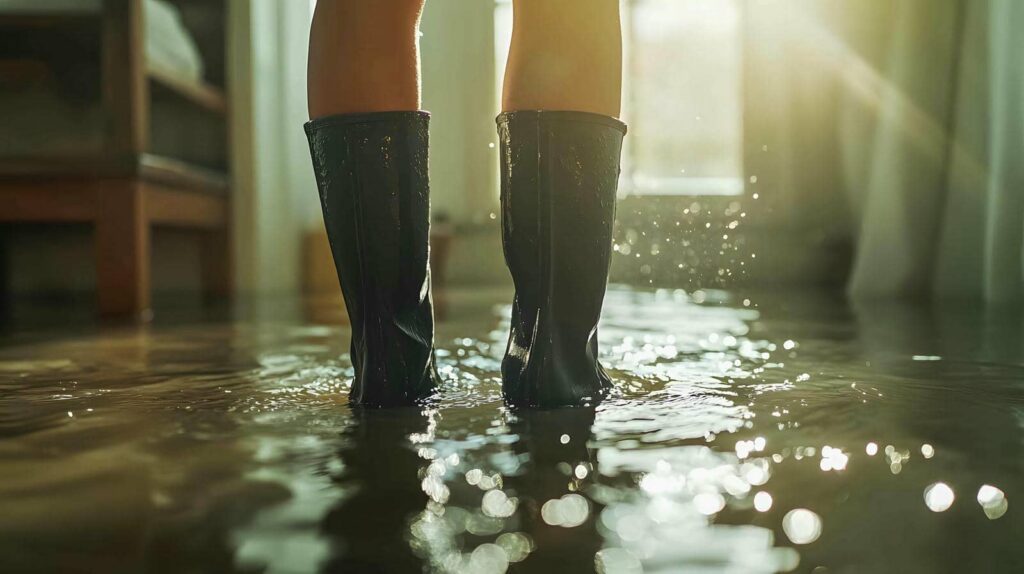
When you’re extracting water, prioritizing safety is vital. Always wear appropriate personal protective equipment, like gloves and boots, to minimize risks.
Additionally, stay aware of electrical hazards; make sure all power sources are disconnected before you begin working in wet areas.
Personal Protective Equipment
While you may be enthusiastic to begin water extraction, prioritizing personal protective equipment (PPE) is crucial for ensuring your safety.
Start with proper gloves selection—opt for waterproof, durable materials that provide a secure grip. This protects your hands from contaminants and sharp objects.
Next, consider mask types; N95 respirators are ideal for filtering airborne particles, especially in mold-affected areas.
Confirm your clothing is also suitable; water-resistant overalls can shield your skin from hazardous materials.
Eye protection, such as goggles, is essential to prevent splashes.
Remember, wearing the right PPE safeguards you and fosters a culture of safety within your team.
Electrical Hazard Awareness
Electrical hazards pose significant risks during water extraction, especially when dealing with flooded areas or damaged electrical systems.
To ensure your safety, start by conducting thorough hazard identification; look for downed wires, exposed outlets, and submerged electrical equipment. Always assume that any water may be electrically charged.
Before you begin extraction, turn off power to affected areas to minimize risk. Use water-resistant equipment and wear insulated boots to protect yourself from potential shocks.
Keep a safe distance from electrical sources, and never attempt to handle electrical issues unless you’re trained.
How to Select the Best Water Extraction Method?
When selecting the best water extraction method, start by evaluating the type of water you’re dealing with, whether it’s clean or contaminated.
Next, review your equipment options to ensure they match the specific demands of your situation.
Finally, consider environmental factors, like temperature and humidity, that could impact the extraction process.
Assess Water Type
To effectively select the best water extraction method, you must first assess the type of water involved in the situation. Identifying whether you’re dealing with freshwater sources or facing saltwater challenges is vital.
Freshwater typically presents fewer complications, allowing for simpler extraction techniques. However, if saltwater is involved, you’ll need to take additional factors into account like salinity, which can corrode equipment and complicate disposal.
Understanding these distinctions helps you choose the right extraction method tailored to your specific needs. Always evaluate the water’s origin and potential contaminants to ensure you select a method that assures efficiency and safety.
This careful assessment lays the foundation for successful water extraction, fostering a sense of community and shared knowledge among those tackling similar challenges.
Evaluate Equipment Options
Selecting the right equipment for water extraction is vital, especially since various methods cater to different scenarios and water types.
Start by evaluating pump performance; some pumps excel in high-volume extraction, while others are better suited for smaller jobs. Consider the specific requirements of your project and choose equipment that meets those needs.
Regular equipment maintenance is essential to ensure peak performance. Check filters, hoses, and seals to prevent leaks and inefficiencies.
You’ll also want to review the ease of transport and setup, as these factors can greatly impact your workflow.
Consider Environmental Factors
Understanding the environment where extraction will take place plays a significant role in determining the best water extraction method. You’ll need to assess climate impact, as varying temperatures and precipitation levels can affect water availability and extraction efficiency.
For instance, in arid regions, methods that conserve water are essential.
Soil saturation is another vital factor; overly saturated soil can lead to ineffective extraction and increased equipment wear.
Evaluate the soil type and moisture content to select an appropriate method that aligns with these conditions.
Smart Drying Tips After You Extract Water
Once you’ve extracted the water, it’s crucial to implement effective drying techniques to prevent mold growth and structural damage.
Start by maximizing airflow management; use fans and dehumidifiers to create a streamlined path for air circulation. Position fans to blow air across wet surfaces, ensuring moisture evaporates quickly. Open windows and doors when possible to promote cross-ventilation.
Consider using specialized drying equipment, like air movers or industrial dehumidifiers, which can greatly speed up the drying process.
Monitor surfaces regularly, and if you notice lingering dampness, adjust your drying techniques accordingly.
Monitor Humidity Levels for Optimal Drying
As you work to dry out your space, monitoring humidity levels is essential for achieving ideal results. Effective humidity control can notably enhance your drying techniques.
Use a hygrometer to track the moisture levels in the air, aiming for a range of 30-60% humidity for optimal drying. If levels exceed this, consider using dehumidifiers to draw excess moisture out.
Additionally, ensure proper air circulation by strategically placing fans to aid the drying process. Remember, stagnant air can lead to prolonged dampness, hindering your efforts.
Regularly check and adjust your humidity levels throughout the drying period, as maintaining a consistent environment is key to effective water extraction.
This proactive approach will help you achieve the best possible outcome.
Prevent Mold After Water Extraction
To prevent mold growth after water extraction, it’s vital to act quickly and decisively.
Begin by ensuring thorough drying of all affected areas. Use high-powered fans and dehumidifiers to maintain humidity control, ideally below 60%.
Monitor moisture levels using hygrometers, as excessive humidity fosters mold growth. It’s important to inspect hidden spaces like under carpets and behind walls; mold can thrive in these areas.
After drying, clean surfaces with a mold-inhibiting solution to further enhance mold prevention.
Don’t forget to address any leaks or water sources that might reintroduce moisture.
By taking these proactive steps, you create a safer environment and protect your home from the damaging effects of mold.
Your diligence now will pay off in the long run.
Documenting Damage for Insurance Claims
After taking steps to prevent mold growth, it’s time to focus on documenting the damage for your insurance claims. Proper claim documentation is vital for a successful process.
Here are three essential steps to follow:
Take Photo Evidence: Capture clear images of all affected areas. Make sure you include close-ups of damage and wider shots for context.
List Damaged Items: Create a detailed inventory of damaged possessions, noting their condition and value.
Record Dates and Times: Document when the damage occurred and when you began the cleanup process.
This thorough documentation helps your insurer understand the extent of your loss and supports your claim, making the process smoother and more efficient.
Signs You Should Hire a Professional for Water Extraction?
When should you consider hiring a professional for water extraction? If you notice extensive water damage that’s beyond your control, it’s time to seek help.
Look for signs like persistent dampness, mold growth, or structural issues, indicating that the problem is worsening. If the affected area is large or if the water source is unclear, a professional assessment is essential.
Experts have specialized equipment and training to handle severe situations safely and effectively. Don’t underestimate the risks of hidden moisture, which can lead to long-term damage and health hazards.
Frequently Asked Questions
How Can I Speed up the Water Extraction Process?
To speed up the water extraction process, refine extraction techniques and employ efficient drying methods. Use advanced equipment, maintain ideal temperatures, and ensure proper airflow to enhance evaporation rates and achieve quicker results.
What Types of Water Damage Are Covered by Insurance?
Your insurance typically covers sudden water damage from burst pipes, but flood insurance is essential for coverage from natural disasters. Mold coverage may apply if you report damage promptly, so check your policy details carefully.
Can I Use Household Fans for Water Extraction?
Yes, you can use household fans for water extraction. They enhance fan efficiency and improve household ventilation, helping to evaporate moisture. However, ensure proper placement for ideal airflow to effectively reduce dampness in affected areas.
How Long Does It Typically Take to Dry Out a Property?
Typically, drying a property takes 3 to 7 days, influenced by factors like humidity and temperature. Using a dehumidifier boosts effectiveness, speeding up drying time and helping you achieve a comfortable, safe environment faster.
What Are the Signs of Hidden Water Damage?
You’ll notice signs of hidden water damage through mold growth, warped walls, or peeling paint. If you see these issues, it’s vital to assess your property’s structural integrity before the damage worsens.
Final Thoughts
Mastering water extraction is essential for safeguarding your property. By evaluating the situation, utilizing the right equipment, and adhering to safety protocols, you can tackle this challenge effectively. Remember, your swift actions are the difference between a minor inconvenience and a disaster of epic proportions. Don’t underestimate the importance of monitoring humidity and preventing mold growth. If the damage overwhelms you, don’t hesitate to call in professionals to ensure a thorough recovery and peace of mind.