
Water damage can escalate quickly, turning a minor leak into a major disaster within hours. When faced with this water extraction situation, knowing how to respond effectively is essential. From evaluating the damage to choosing the right professionals, each step plays an important role in minimizing loss. Understanding what to prioritize can make all the difference. What should you consider before calling in the experts? Let’s explore essential tips for steering through water extraction services.
Key Takeaways
- Assess the extent of water damage early to prioritize extraction efforts and prevent further issues.
- Use professional-grade equipment like suction pumps and dehumidifiers for effective water removal and drying.
- Call experts for significant flooding or when dealing with contaminated water sources for proper remediation.
- Implement personal protective equipment (PPE) and ensure proper ventilation during extraction to reduce health risks.
- Research service providers, checking customer reviews and certifications to ensure quality and compliance with standards.
Understanding Common Water Damage Issues
When you encounter water damage, understanding the common issues can make all the difference in effectively addressing the problem. Flood causes often stem from heavy rainfall, burst pipes, or faulty appliances. Identifying these sources early can prevent further damage to your property.
Additionally, moisture sources like condensation and humidity can lead to mold growth, creating health risks for your family. Recognizing signs like discoloration or musty odors helps you pinpoint affected areas.
By being proactive and informed, you can mitigate the risks associated with water damage. Remember, immediate action is essential; the longer you wait, the more extensive the damage may become.
You’re not alone in this; seeking professional help ensures you tackle these challenges effectively.
How to Assess Water Damage Before Extraction
Evaluating water damage before extraction is essential for effective remediation. Start with a thorough damage assessment to identify the extent and source of the water.
Look for visible signs like discoloration, warping, or mold growth, which can indicate hidden issues. Next, use moisture detection tools, such as hygrometers or infrared cameras, to measure moisture levels in walls, floors, and ceilings. This helps pinpoint areas that need immediate attention.
Document your findings carefully, as this information will guide your extraction efforts and prevent further damage. By understanding the severity of the situation, you can prioritize actions that ensure a successful restoration process, providing peace of mind for you and your loved ones.
When to Call Professionals for Water Extraction?
How can you determine the right moment to call in professionals for water extraction? If you’re facing significant flooding or water damage, it’s essential to act quickly.
An emergency response team can assess the situation more effectively than you might on your own. Look for signs like standing water, persistent moisture, or structural damage.
If the water source is unclear or possibly contaminated, don’t hesitate to seek a professional assessment. They’ve the tools and expertise to handle hazardous conditions safely.
Additionally, if the damage extends beyond a small area or you’re unsure how to proceed, calling in experts can save you time and mitigate further complications.
Use Essential Equipment for Water Extraction
Effective water extraction relies heavily on the right equipment to ensure a thorough and efficient process.
Using essential tools speeds up the job and ensures that no moisture is left behind, which could lead to further issues.
Here’s a quick list of must-have equipment:
- Suction pumps: These are vital for removing standing water quickly.
- Moisture meters: They help you assess moisture levels and confirm complete drying.
- Dehumidifiers: Essential for reducing humidity in affected areas.
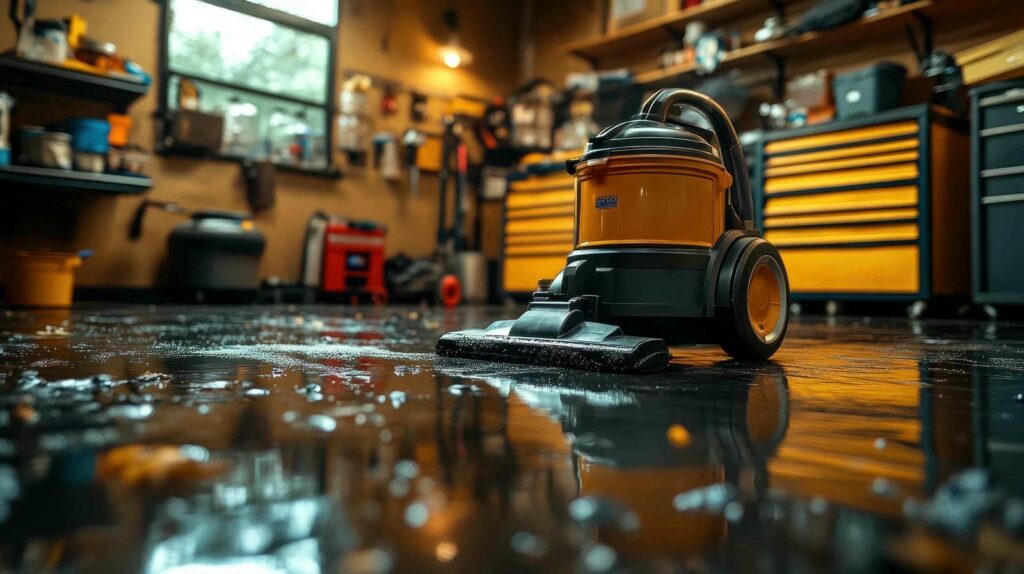
- Wet/dry vacuums: Perfect for smaller spaces and final clean-up.
- Fans and blowers: They promote air circulation, aiding in faster drying.
Investing in the right equipment can make all the difference in your water extraction efforts.
Proven Techniques for Emergency Water Removal
When faced with emergency water situations, swift action is vital to minimize damage and restore safety.
Start by following established emergency protocols to assess the extent of the water intrusion. Use effective extraction methods, such as submersible pumps and wet vacuums, to remove standing water quickly. Verify you’re equipped with proper tools, as this can greatly speed up the process.
Once the bulk of the water is extracted, utilize dehumidifiers and fans to eliminate moisture and prevent mold growth.
Remember, timely communication with your team is essential; keep everyone informed about progress and any changes in the situation.
Essential Safety Precautions for Water Extraction
Although water extraction can be an intimidating task, prioritizing safety is essential to ensure a smooth and effective operation. By following these precautions, you can minimize flood risk and enhance mold prevention:
- Wear protective gear: Always use gloves, masks, and waterproof boots to safeguard against contaminants.
- Check electrical hazards: Confirm all electrical appliances are unplugged before starting to avoid shock.
- Ventilate the area: Open windows and doors to promote airflow, reducing moisture and mold growth.
- Identify structural damage: Inspect for weakened walls or floors before walking on them.
- Stay alert: Be aware of your surroundings and any potential hazards, ensuring a safe working environment.
Steps to Prepare Your Home for Water Extraction
Preparing your home for water extraction is essential to ensure a smooth and efficient process. Start with a thorough home assessment to identify vulnerable areas prone to flooding.
Make sure you’ve got a flood readiness plan in place, including knowing how to shut off utilities like water and electricity.
Clear your living spaces of valuables, furniture, and personal items to minimize damage and facilitate access for professionals.
Check for any existing leaks or plumbing issues before extraction begins, as addressing these can prevent future problems.
Finally, communicate with your water extraction service about any specific concerns you might have.
Post-Water Extraction Checklist
After water extraction, it’s essential to prioritize safety precautions before evaluating any damage.
You’ll need to set up drying equipment to prevent further issues while thoroughly inspecting your property for structural damage.
This checklist ensures a systematic approach to restoring your home effectively.
Safety Precautions First
Once you’ve completed water extraction, ensuring safety remains paramount. Adopting personal protective measures is essential to safeguard yourself and others.
Here’s a checklist to keep in mind:
- Wear appropriate personal protective equipment (PPE) like gloves, masks, and boots.
- Inspect the area for potential hazards, such as exposed electrical wires or unstable flooring.
- Ascertain proper ventilation to reduce moisture and prevent mold growth.
- Dispose of contaminated materials responsibly, following local regulations.
- Maintain communication with your team to manage any emerging risks effectively.
Drying Equipment Setup
Effective drying equipment setup is vital for preventing further damage after water extraction. Start by placing dehumidifiers strategically in affected areas to lower humidity levels.
Position air movers to maximize airflow, making sure they’re directed towards wet surfaces. Employ varied drying techniques, such as using low-grain refrigerant dehumidifiers for ideal moisture control.
Regular equipment maintenance is essential; check filters and hoses to verify they’re clean and functioning properly. Monitor moisture levels consistently with a hygrometer, adjusting your equipment as needed.
Finally, create a drying plan that outlines timelines and equipment usage to keep you organized and efficient. Following these steps fosters a thorough drying process, helping you achieve the best results and maintain a sense of community with your clients.
Structural Damage Assessment
Following a thorough drying process, evaluating structural damage is an essential next step in ensuring the property’s integrity.
You’ll want to identify damage indicators and use effective assessment techniques to determine the extent of any harm.
Start by checking key areas in your property:
- Inspect walls for warping or discoloration.
- Examine floors for buckling or soft spots.
- Look at ceilings for sagging or water stains.
- Assess windows and doors for proper alignment.
- Evaluate the foundation for cracks or shifting.
Evaluating Water Extraction Services: What to Consider Next
How do you ensure you’re choosing the right water extraction service for your needs? Start by evaluating cost factors, as prices can vary widely. Make certain to get detailed quotes that outline all potential expenses.
Next, check service reviews to gauge past customer experiences. Look for consistent feedback about responsiveness, professionalism, and quality.
It’s also wise to confirm the company’s certifications and insurance; this verifies they’re qualified to handle your situation safely.
Ask about their equipment and techniques, as modern tools can greatly affect efficiency. Don’t hesitate to reach out for references; hearing from previous clients can provide valuable insights.
Ultimately, choosing a service that prioritizes your needs fosters a sense of trust and security during this challenging time.
Frequently Asked Questions
How Long Does the Water Extraction Process Typically Take?
The water extraction process typically takes a few hours to several days, depending on time factors like the extent of water damage and extraction efficiency. Quick response can greatly reduce overall time and ensure effective results.
Will My Insurance Cover Water Extraction Services?
Your insurance might cover water extraction services, but it depends on your policy’s coverage limits. Review your documents closely, and don’t hesitate to reach out to your agent for clarity; they’re your best ally in this situation.
Can I Do Water Extraction Myself?
You can try DIY techniques for water extraction, but prioritize safety precautions. Ensure you wear protective gear, use proper tools, and understand the risks involved. Sometimes, professional help is the best choice for effective results.
What Types of Water Damage Are Most Common?
Water damage often sneaks in like a thief, with common culprits being flood damage, plumbing issues, appliance leaks, storm damage, and basement flooding. Each can lead to mold growth, threatening your home’s safety and comfort.
How Can I Prevent Future Water Damage?
To prevent future water damage, ensure effective moisture control by fixing leaks promptly, using dehumidifiers, and improving ventilation. Regular inspections can aid in mold prevention, creating a safe and welcoming environment for everyone involved.
Review
Addressing water damage swiftly is vital; even a delay of just 24 hours can lead to mold growth, which affects some homes. By understanding the water extraction process and employing the right techniques and equipment, you can minimize damage and protect your property. Always prioritize safety and choose certified professionals to ensure effective water removal. Remember, the quicker you act, the better the outcome for your home and health.