
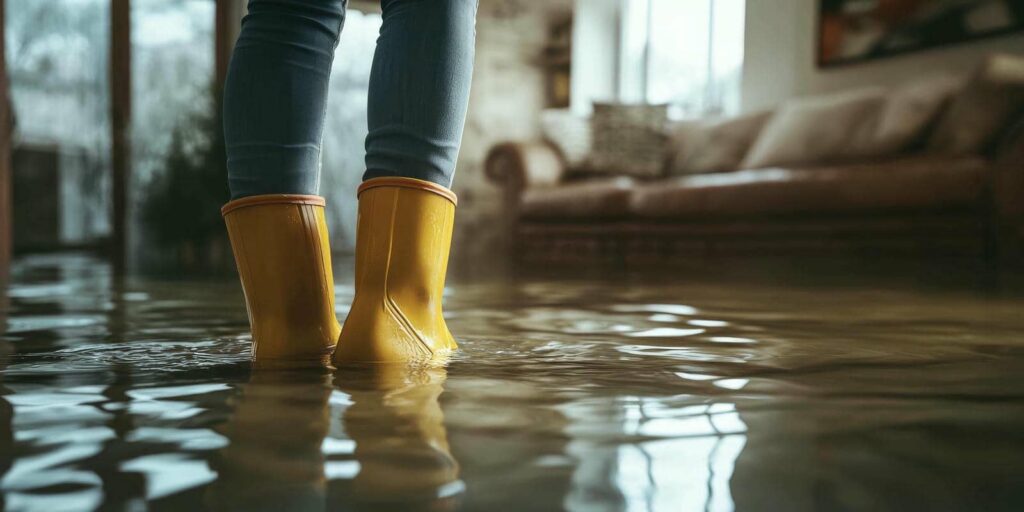
You might think water damage cleanup is best left to professionals, but with the right techniques, you can handle it effectively yourself. Identifying the type of water is vital for safe cleanup. Once you understand the source, you can take the necessary steps to mitigate further damage and ensure a thorough restoration. Let’s explore essential tools and strategies to tackle this challenge efficiently.
Key Takeaways
- Identify the water source: clean, gray, or black, to determine the appropriate cleanup approach and safety measures.
- Use a high-capacity wet/dry vacuum to effectively remove standing water from affected areas.
- Ensure proper air circulation by opening windows and using industrial fans for efficient drying.
- Keep indoor humidity between 30-60% with dehumidifiers to prevent mold growth during the drying process.
- Document all damage with photos for insurance claims and assess the need for professional help if black water is involved.
Identify Your Water Damage Type: Immediate Steps
Identifying the type of water damage in your home is essential, and you should act quickly. Start with water source identification; determine whether the water is from a clean, gray, or black source. Clean water typically involves a broken pipe, while gray water might stem from appliances. Black water, often contaminated, requires immediate professional help.
Next, conduct a thorough damage assessment. Look for visible signs like discoloration on walls and floors, and check for any musty odors, indicating potential mold growth.
Document everything with photos for insurance purposes. By recognizing the type of damage and its source, you can formulate an effective cleanup strategy, ensuring your home remains a safe and comfortable space for you and your family.
Top DIY Tools for Effective Water Damage Cleanup
When tackling water damage cleanup, having the right tools is vital for efficiency and safety.
You’ll need essential equipment like wet/dry vacuums and dehumidifiers, along with protective gear to safeguard yourself from potential hazards.
Understanding what to use will streamline your cleanup process and help prevent further issues.
Essential Cleanup Equipment
Effective water damage cleanup hinges on having the right tools at your disposal. First, invest in high-capacity wet/dry vacuums; they’re vital for removing excess water quickly.
Next, consider industrial fans and dehumidifiers to dry out affected areas, minimizing mold growth. Don’t forget quality cleanup supplies like absorbent towels and mold-resistant cleaning solutions to tackle stubborn stains and odors.
Additionally, a moisture meter helps you monitor dampness levels, ensuring thorough drying. Regular equipment maintenance is important to keep your tools in top shape; check filters and clean components to extend their lifespan.
Protective Gear Necessities
To ensure your safety during water damage cleanup, wearing the right protective gear is essential.
Start with proper gloves selection; choose waterproof latex or nitrile gloves to shield your hands from contaminants.
Next, consider mask types; a respirator with a P100 filter can protect you from mold spores and airborne irritants.
Safety goggles are also vital, ensuring your eyes stay safe from debris and chemical exposure.
Don’t forget durable boots—waterproof and slip-resistant options will help you navigate wet areas securely.
By equipping yourself with this protective gear, you safeguard your health and enhance your efficiency during the cleanup process.
Step-by-Step Guide to Initial Water Removal
Start your water removal process as soon as you can, ideally within 24 hours of the initial incident.
Begin with an initial assessment of the affected area. Identify the source of water and any potential hazards, like electrical issues.
Once you’ve confirmed safety, proceed with water extraction. Use a wet/dry vacuum to remove standing water efficiently. If the water level is significant, consider using a submersible pump for quicker extraction.
Afterward, empty the vacuum and clean the filters regularly to maintain effectiveness.
Remember to document the damage for insurance claims. Engage friends or family to assist, fostering a sense of community while tackling this challenging task together.
Quick, decisive action will help mitigate further damage and restore your space.
Dry Out Your Space Efficiently
Begin drying out your space promptly to prevent mold growth and further structural damage. Start by using effective ventilation methods; open windows and doors to promote airflow.
If the weather permits, use fans to circulate air, targeting damp areas. Dehumidifiers are essential drying techniques; they draw moisture from the air, speeding up the drying process. Make sure you place them strategically in high-humidity spots.
For carpets and upholstery, consider lifting them to enhance air circulation underneath. Regularly check moisture levels with a hygrometer to monitor progress.
How to Prevent Mold Growth After Drying
Although drying your space is essential, preventing mold growth requires ongoing vigilance and proactive measures. Start by implementing effective mold prevention strategies.
Ensure that you maintain low indoor humidity levels, ideally between 30-60%. Use dehumidifiers in damp areas, and regularly check for leaks or condensation around windows and pipes.
Ventilate your home by using exhaust fans in kitchens and bathrooms, and open windows whenever possible to encourage air circulation.
Inspect porous materials like carpets and drywall; if they’ve absorbed moisture, consider replacing them. Regularly clean and maintain HVAC systems to prevent mold spores from circulating.
How to Assess and Restore Belongings After Water Damage
After addressing mold prevention, it’s important to assess and restore your belongings affected by water damage.
Start with a thorough belonging evaluation to determine what can be salvaged. Here are some restoration methods to contemplate:
Clean and disinfect: Use a mixture of water and mild detergent to clean surfaces.
Dry items thoroughly: Air out or use fans to ensure complete drying.
Check for odors: If unpleasant smells persist, additional cleaning or deodorizing may be necessary.
Document damage: Take photos for insurance claims and keep records of your restoration efforts.
When Should You Call the Pros?
When should you consider calling in professionals for water damage cleanup? If you notice significant water damage indicators—like extensive mold growth, structural issues, or persistent odors—it’s time to seek help.
Professional restoration services are equipped with advanced tools and expertise that go beyond DIY methods. If the affected area exceeds 100 square feet, or if water has been stagnant for over 24 hours, don’t hesitate to reach out.
These situations can lead to serious health risks and further damage if not handled correctly. Additionally, if you’re unsure about the extent of the damage or how to proceed, professionals can provide a thorough assessment.
Your safety and the integrity of your home are worth the investment.
Safety Tips During Water Damage Cleanup
Cleaning up after water damage presents various risks, making safety a top priority. To ensure your protection during the cleanup process, follow these essential safety tips:
Turn off electricity: Before entering a flooded area, ensure electrical safety by shutting off power to prevent shocks.
Wear protective gear: Use gloves, masks, and waterproof boots to shield yourself from contaminants.
Check for structural damage: Inspect for hazards like weakened floors or ceilings before stepping in.
Have a flood preparedness plan: Know how to respond in emergencies, including evacuation routes and emergency contacts.
Frequently Asked Questions
How Can I Identify Hidden Water Damage in My Home?
To identify hidden water damage, check for mold growth, musty odors, and moisture detection tools. Inspect areas like basements, behind walls, and under sinks. These signs often reveal unseen leaks or water intrusion issues.
What Insurance Coverage Do I Need for Water Damage?
You’ll need extensive homeowners insurance that covers water damage, plus flood insurance for those epic storms. This way, you’re protected against costly repair costs, ensuring your home stays safe and sound through any disaster.
Are There Specific Plants That Help Absorb Excess Moisture?
Yes, moisture-absorbing plants like peace lilies, Boston ferns, and spider plants can help reduce indoor humidity. They naturally absorb excess moisture, improving air quality while adding beauty to your space. Consider incorporating them into your home.
How Long Does It Take for Water Damage to Show Symptoms?
Water damage symptoms can show within 24 to 48 hours, depending on the moisture detection and conditions. Understanding this water damage timeline helps you act quickly, preventing further damage and fostering a sense of security in your home.
Can I Reuse Any Materials After Water Damage Cleanup?
Yes, you can reuse some materials after water damage cleanup, but conduct a thorough material assessment first. Employ salvage techniques for items like flooring or drywall, ensuring they’re structurally sound and free of mold.
Review
By following these DIY water damage cleanup techniques, you can tackle your situation like a pro. Remember, swift action is essential in preventing further damage and mold growth. With the right tools and methods, you’ll feel like a superhero saving your home from disaster. Don’t underestimate the importance of thorough drying and monitoring moisture levels. If the damage feels overwhelming, don’t hesitate to call in the professionals. Your home deserves the best care possible.